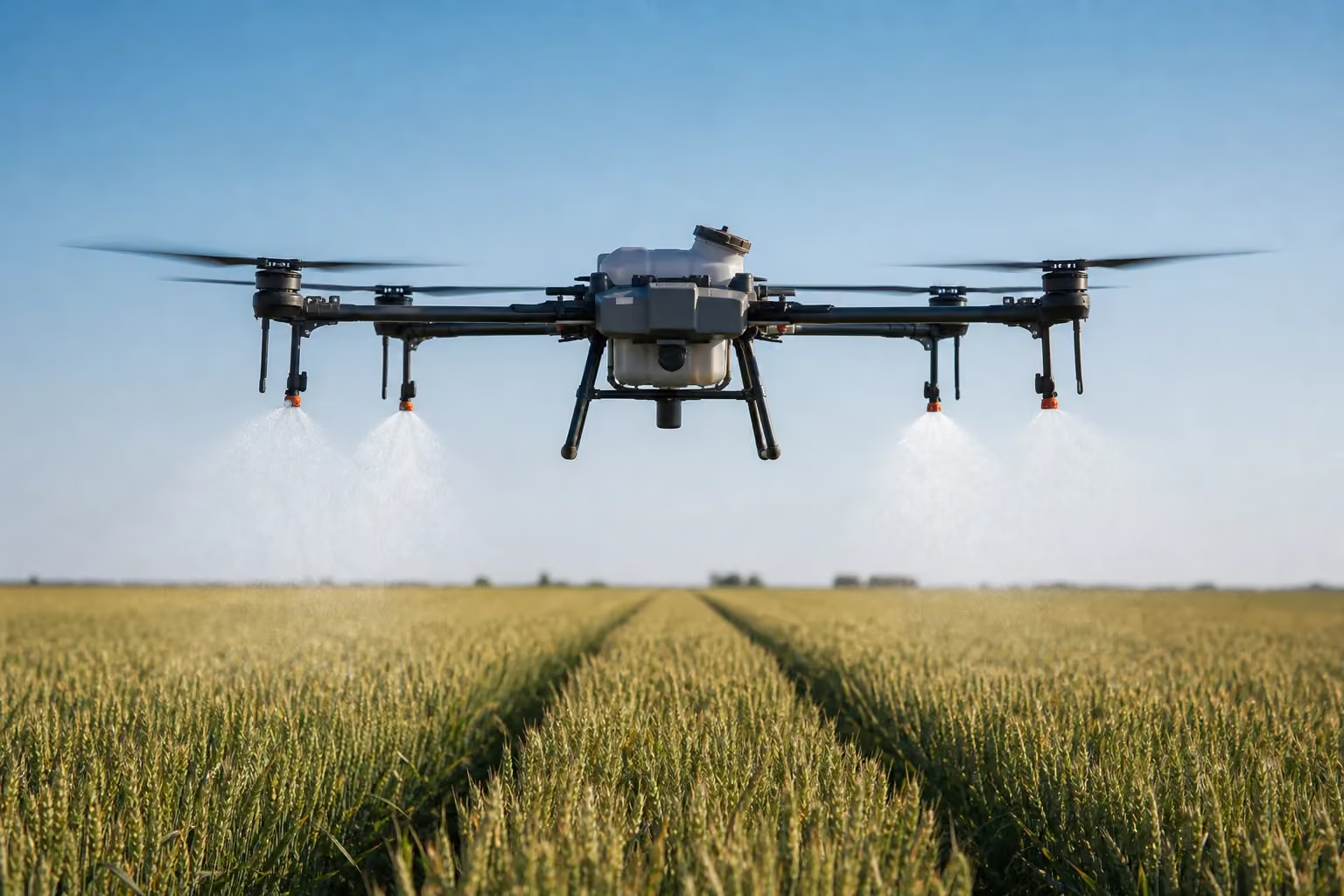

If you're running a commercial ag drone operation, FAA Part 137 certification isn't just a regulatory checkbox. It directly shapes what your insurance will cover, how claims get handled, and what underwriters are willing to offer you in the first place. Understanding this connection before you need to file a claim is the difference between a smooth payout and a very frustrating conversation with your carrier.
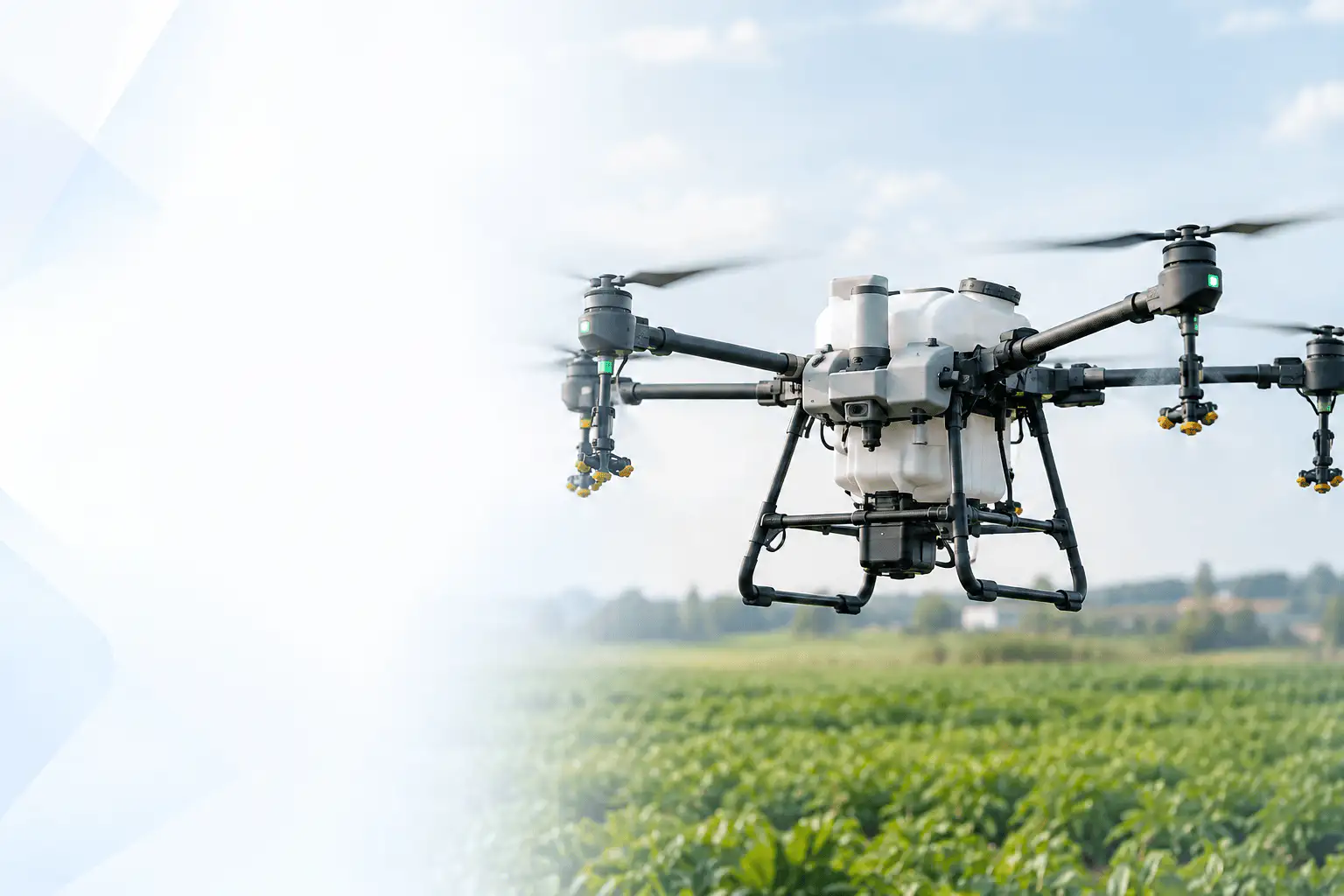
FAA Part 137 applies to agricultural aircraft operations, which includes drones used for spraying, spreading, or applying any substance to crops. If you're using a drone to apply pesticides, fertilizers, or other materials, you're operating under a different regulatory framework than a standard Part 107 pilot. That distinction matters enormously when it comes to agriculture drone insurance.
Part 137 certification requires operators to hold either a fixed or rotary-wing pilot certificate, pass an agricultural aircraft operator knowledge test, and get FAA approval for the specific operation. The FAA also requires you to have a current certificate for every field you spray. Operators in certain areas may apply for a Part 137 waiver drone exemption, which allows modified operating rules for low-altitude or complex terrain work. That waiver status has its own insurance implications, which we'll get to shortly.
How FAA Certification Status Affects Your Policy and Claims
Underwriters who write FAA Part 137 ag drone insurance treat certification as a core risk factor. Certified operators have demonstrated a higher level of training, accountability, and regulatory compliance. That generally translates to better coverage terms, lower premiums, and fewer exclusions. Operators flying without proper certification face a real risk of having claims denied, especially when a loss is connected to the application work itself.
The ag drone regulatory requirements under Part 137 also affect your liability exposure. Chemical drift incidents, crop damage from incorrect application rates, and environmental contamination are all scenarios where an insurer will immediately ask whether you were operating within your certified scope. If you weren't, coverage may not apply. This is why we work with underwriters who specialize in ag drone operations. They know the regulatory landscape inside and out, and they structure policies that actually reflect how these operations work in the field.
For operators holding a Part 137 waiver drone certification, the situation is more nuanced. Waivers allow for specific operational deviations, but your insurance policy needs to account for those deviations explicitly. A standard commercial drone insurance policy written without knowledge of your waiver status may leave gaps in coverage that only surface after an incident. That's a problem worth solving before you ever lift off.
We've issued more than 300,000 commercial drone insurance policies, and the pattern is consistent. Operators who understand their certification status and communicate it clearly to their insurer get better results at every stage, from initial quoting to claims resolution. Operators who assume their Part 107 or general liability policy covers Part 137 work often find out the hard way that it doesn't.
FAA certification agriculture drone requirements also intersect with state-level regulations. Many states have their own ag aviation rules that sit alongside federal Part 137 requirements. Texas, California, and Florida, for example, have state licensing requirements for aerial application operators. Your insurer needs to know which states you're operating in, because coverage terms can vary based on local regulatory requirements.
The right FAA Part 137 ag drone insurance policy will be built around your specific operation, including the types of applications you perform, the equipment you fly, the states you work in, and your certification status. Generic policies rarely provide the right fit. Our nearly perfect 5-star customer support team hears from operators who've been underinsured more often than we'd like, usually because they went with a quick-quote solution that didn't ask the right questions upfront.
FAA certification agriculture drone compliance isn't static either. If your certification lapses, or if you take on a new type of application work that falls outside your current approval, your coverage may need to be updated. Treating your insurance as a living document, one that evolves alongside your operation, is the right approach for any serious ag drone business.
Frequently Asked Questions
Does a standard Part 107 drone policy cover Part 137 agricultural operations?
Not automatically. Part 137 agricultural operations involve aerial application of substances, which is a distinct category from standard commercial drone work under Part 107. Policies written for Part 107 operators often exclude chemical application liability. You need a policy specifically structured for FAA Part 137 ag drone insurance to be properly covered.
How much does ag drone insurance typically cost for Part 137 operators?
Premiums vary based on coverage type, payload capacity, annual flight hours, the states you operate in, and your certification status. Liability-only policies for smaller ag drone operations can start around a few hundred dollars annually, while comprehensive policies covering hull, liability, and chemical application can run into the thousands. Certified Part 137 operators typically receive more favorable rates than non-certified operators doing similar work.
What happens to my insurance if my Part 137 certificate lapses?
If your Part 137 certificate lapses and you continue operating, you're no longer in compliance with FAA ag drone regulatory requirements. Most policies include a compliance clause that voids coverage when the operator is not operating within their certified scope. Notify your insurer immediately if your certification status changes to avoid coverage gaps.
Does a Part 137 waiver affect what my drone insurance policy covers?
Yes. A Part 137 waiver drone approval allows specific operational deviations from standard certification requirements. If your policy was written without accounting for your waiver, incidents that occur during those deviated operations may not be covered. Always disclose your waiver status to your insurer so coverage can be structured to include the specific conditions of your approval.
Get a quote at skywatch.ai.