Why Construction Site Drone Operations Require Specialized Insurance
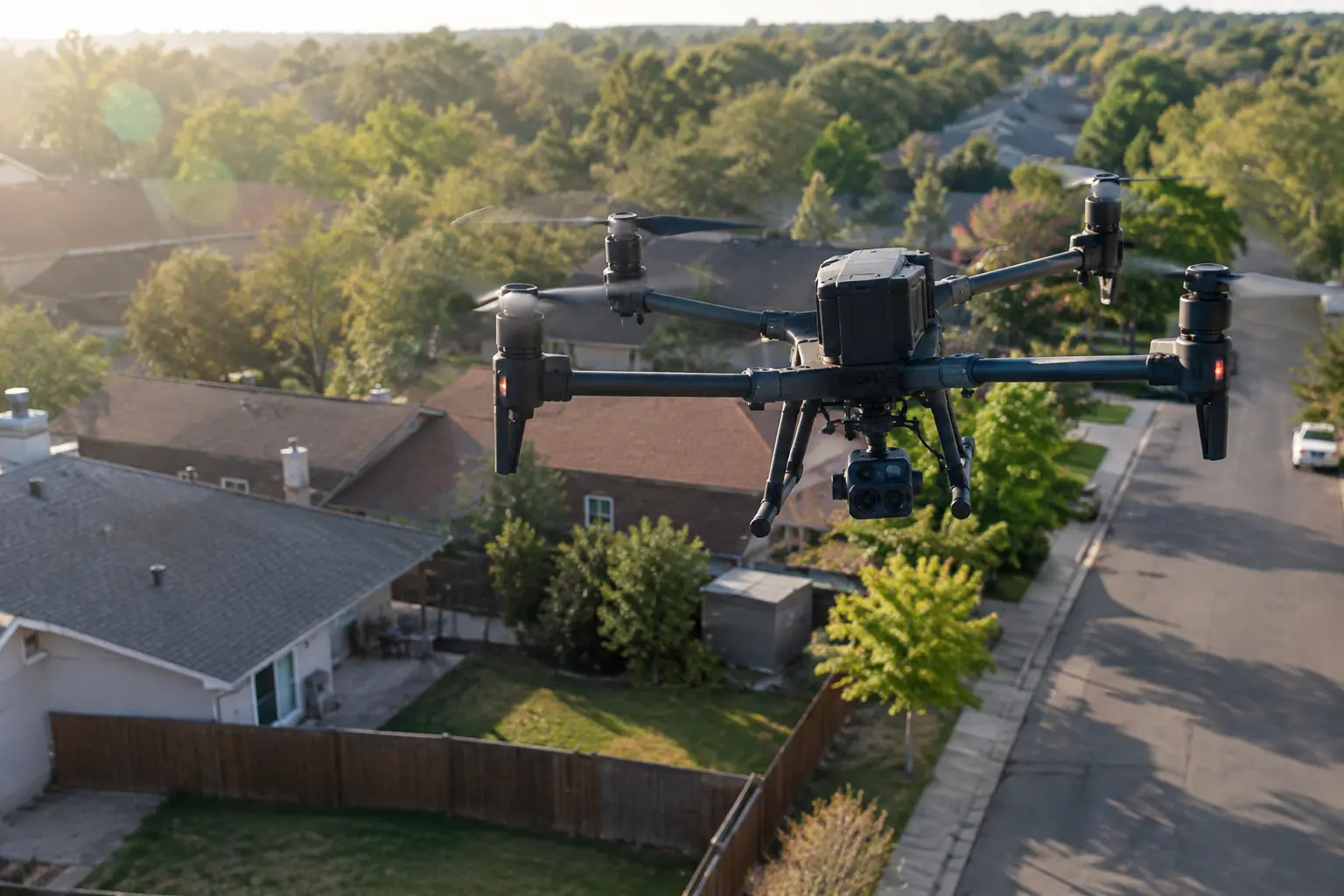
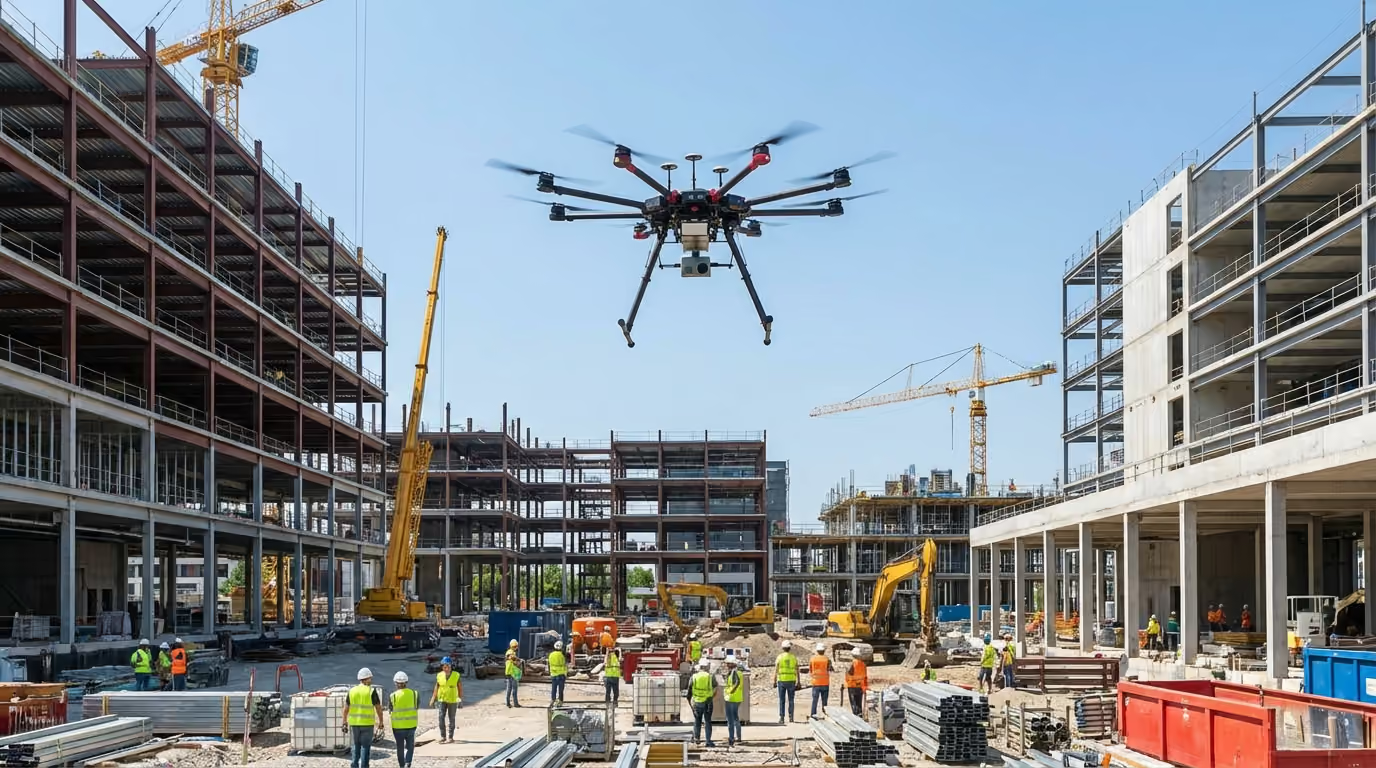
Flying drones over active construction sites represents one of the highest-risk commercial drone operations. You're navigating around cranes, managing unpredictable wind conditions created by tall structures, avoiding workers and heavy equipment, and documenting projects worth millions of dollars. At SkyWatch, we've insured over 200,000 drone operations, and we've seen how construction site work demands coverage that goes far beyond basic recreational drone insurance.
Construction drone pilots face liability exposure that most other commercial operators never encounter. A single incident can involve property damage to expensive equipment, bodily injury to workers, delays to multi-million dollar projects, and contractual liability claims from general contractors or project owners. Understanding what insurance you need and why protects both your business and your ability to secure construction contracts.
The Real Risks of Construction Site Drone Operations
Before discussing insurance coverage, it's critical to understand what you're actually insuring against when operating drones on construction sites.
Collision With Construction Equipment
Construction sites contain expensive machinery. Tower cranes can cost $300,000 to $15 million. Even smaller equipment like excavators, concrete pumps, and scaffolding systems represent significant value. Your drone colliding with this equipment can cause:
- Direct physical damage requiring repairs or replacement
- Operational downtime costing thousands per hour
- Project delays triggering contractual penalty clauses
- Safety incidents if damaged equipment creates hazards
Standard recreational drone insurance typically excludes coverage for damage to third-party property in commercial settings. You need commercial liability coverage that specifically addresses construction site operations.
Injury to Construction Workers
Active construction sites have dozens to hundreds of workers. Despite Part 107 restrictions on flying over people, construction site operations often occur in close proximity to workers. An equipment failure, wind gust, or pilot error that causes your drone to strike a worker can result in:
- Medical expenses and lost wages
- Workers' compensation subrogation claims
- Personal injury lawsuits
- OSHA investigations and potential violations
These bodily injury claims easily exceed $1 million when serious injuries occur. Your insurance liability limits need to reflect this reality.
Damage to Incomplete Structures
Buildings under construction lack the protections of completed structures. Missing walls, exposed materials, and unfinished roofing make them vulnerable to damage. Your drone crashing into or through incomplete structures can cause:
- Structural damage requiring demolition and reconstruction
- Water intrusion damage if roofing is compromised
- Contamination of materials rendering them unusable
- Fire hazards if electrical systems are damaged
The property damage coverage you need must specifically cover damage to structures under construction, not just completed buildings.
Data Loss and Professional Liability
Construction clients rely on your aerial data for project management, progress documentation, and billing verification. Equipment failures, pilot errors, or processing mistakes that corrupt or lose critical project data can trigger professional liability claims for:
- Cost to re-fly missions
- Project delays caused by missing documentation
- Financial losses from inaccurate quantity takeoffs
- Disputes over project milestones and payments
This professional liability exposure requires errors and omissions insurance that most basic drone policies don't include.
Essential Insurance Coverage for Construction Drone Operations
Now that you understand the risks, let's break down the specific insurance coverage construction drone pilots need.
Commercial General Liability Coverage
This is your foundation. Commercial general liability (CGL) insurance for drone operations covers:
- Bodily injury to third parties including construction workers
- Property damage to client and third-party property
- Personal and advertising injury claims
- Medical payments for injured parties
- Legal defense costs
Minimum Coverage Recommendation: $1 million per occurrence is the absolute minimum for construction site work. Many general contractors and project owners require $2 million to $5 million in coverage. We typically recommend $2 million per occurrence for construction drone operations.
Your CGL policy must specifically cover commercial drone operations. Homeowner's insurance, recreational drone coverage, and even some basic Part 107 policies exclude coverage for commercial construction site operations.
Hull Coverage (Physical Damage)
Hull insurance covers physical damage to your drone equipment from crashes, flyaways, and equipment failures. For construction site operations, hull coverage is critical because:
- Construction sites have numerous collision hazards
- Wind conditions around tall structures create turbulence
- Electromagnetic interference from equipment affects GPS
- High-value camera and sensor equipment is at risk
If you're operating a $5,000 DJI Mavic 3 Enterprise or a $30,000 mapping drone with LiDAR, replacing it out-of-pocket after a crash could end your business. Hull coverage typically includes:
- Crash damage repairs or replacement
- Water damage from unexpected weather
- Theft of equipment from vehicles or job sites
- Flyaway coverage when equipment is unrecoverable
Coverage Recommendation: Insure your drone for its full replacement value including cameras, sensors, batteries, and accessories. Choose deductibles you can afford. Typical deductibles range from $250 to $2,500 depending on equipment value.
Additional Insured Coverage for Contractors
Most construction contracts require you to name the general contractor, project owner, and sometimes multiple subcontractors as additional insureds on your liability policy. This means your insurance extends to protect them if claims arise from your drone operations.
Additional insured endorsements are standard in commercial insurance, but your policy must allow for multiple additional insureds across different projects. Some policies limit how many additional insureds you can add or charge fees for each one. At SkyWatch, we make adding additional insureds instant and free through our online portal because we know it's essential for construction work.
Umbrella or Excess Liability Coverage
If your contracts require liability limits above $2 million, umbrella or excess liability coverage provides additional protection above your primary policy. For example, you might carry a $2 million primary policy with a $3 million umbrella, giving you $5 million in total coverage.
Umbrella policies are typically affordable because they only respond after your primary coverage is exhausted. If you're working on high-value commercial construction projects, this additional layer of protection is worth the investment.
Equipment Breakdown Coverage
Construction sites expose drones to dust, debris, temperature extremes, and rough handling. Equipment breakdown coverage protects against mechanical failures that aren't caused by crashes:
- Motor failures from dust ingestion
- Battery failures from temperature stress
- Gimbal failures from vibration and impacts
- Camera sensor failures from environmental conditions
This coverage fills gaps that hull insurance and manufacturer warranties don't address.
What Construction Contractors Require From Your Insurance
Understanding insurance requirements in construction contracts prevents surprises that can cost you work.
Certificate of Insurance Requirements
Before you fly a single mission, contractors will require a certificate of insurance (COI) showing:
- Minimum liability coverage limits (typically $1M to $5M)
- Named additional insureds (contractor and owner)
- Policy effective dates covering the project duration
- Insurance carrier AM Best rating (usually A- or better)
Obtaining certificates of insurance used to require calling your agent and waiting days. Modern insurance providers like SkyWatch offer instant certificate generation online, allowing you to respond to project opportunities immediately.
Waiver of Subrogation Clauses
Many construction contracts include waiver of subrogation requirements. This prevents your insurance company from suing the contractor or owner to recover claim payments. For example, if your drone damages contractor-owned equipment, a waiver of subrogation prevents your insurer from seeking reimbursement from the contractor's insurance.
Not all insurance policies allow waivers of subrogation, or they may charge extra fees for the endorsement. Verify your policy includes this flexibility before bidding on projects that require it.
Primary and Non-Contributory Coverage
Some contracts require your insurance to be "primary and non-contributory" to the contractor's coverage. This means your insurance pays first before the contractor's insurance is accessed. While standard in commercial insurance, confirming your policy language meets this requirement prevents contract disputes.
How Much Does Construction Drone Insurance Cost?
Insurance costs vary based on your equipment value, coverage limits, claims history, and operational specifics. Typical costs for construction drone operations:
- Basic Commercial Liability ($1M limit): $800-$1,500 annually
- Enhanced Liability ($2M limit): $1,200-$2,500 annually
- Hull Coverage (equipment up to $5,000): $300-$800 annually
- Hull Coverage (equipment up to $30,000): $1,500-$4,000 annually
- Umbrella/Excess Coverage ($3M additional): $500-$1,500 annually
These costs represent investments in protecting your business, not expenses. A single uninsured incident on a construction site can exceed $100,000 in damages and legal costs. Proper insurance for $2,000-$5,000 annually is cheap compared to that exposure.
Common Coverage Gaps That Catch Construction Drone Pilots
Even pilots who carry insurance often have coverage gaps that surface when claims occur.
Geographic Limitations
Some policies restrict coverage to specific states or regions. If you travel for construction projects across state lines, verify your coverage extends to all locations where you operate. Interstate projects require insurance that follows you anywhere in the United States.
Project Type Exclusions
Certain high-risk construction projects may be excluded from standard policies:
- High-rise construction above certain heights
- Nuclear or chemical facility construction
- Bridge and highway construction over traffic
- Stadium and large venue construction
If you specialize in these project types, disclose this to your insurer upfront to ensure coverage applies.
Payload Coverage Limits
If you're carrying specialized sensors, LiDAR systems, or thermal cameras worth tens of thousands of dollars, verify your hull coverage includes full payload value. Some policies cap payload coverage at $5,000-$10,000, leaving you underinsured for expensive equipment.
Data and Privacy Liability
Construction site aerial photography can inadvertently capture neighboring properties, workers, or sensitive project information. Data breaches, privacy violations, or intellectual property disputes require cyber liability coverage that standard drone policies don't include. For large commercial construction projects, consider adding cyber liability coverage.
Risk Management Practices That Lower Insurance Costs
Insurance companies reward pilots who demonstrate professional risk management. These practices can reduce premiums by 10-30%:
Formal Safety Management System
Documented safety procedures, pre-flight checklists, and incident reporting systems show insurers you take risk seriously. Pilots with formal safety programs consistently have lower claim rates.
Continuing Education and Training
Advanced certifications, manufacturer training courses, and industry education demonstrate proficiency. Many insurers offer discounts for pilots with professional certifications beyond basic Part 107.
Equipment Maintenance Records
Documented maintenance schedules, firmware updates, and equipment inspections prove you maintain your drones properly. Well-maintained equipment fails less often, reducing claims.
Claims-Free History
Every year without claims improves your insurance profile. Some carriers offer claims-free discounts of 5-15% after multiple years without incidents.
What Happens When You Don't Have Proper Coverage
Operating without adequate insurance on construction sites creates severe consequences beyond just financial exposure.
Contract Termination: Most construction contracts allow immediate termination if you can't provide required insurance. This means losing the project and potentially facing breach of contract claims.
Personal Liability: Without adequate insurance, you're personally liable for damages. A $500,000 claim against your uninsured operation can result in wage garnishments, liens against personal property, and bankruptcy.
Inability to Bid Future Work: General contractors share information about subcontractors. A reputation for inadequate insurance makes it nearly impossible to secure future construction projects.
License and Certification Risk: Major incidents without insurance can trigger FAA investigations that put your Part 107 certification at risk.
Why Construction Drone Insurance Matters for Your Business
Construction site drone operations offer tremendous business opportunities. Projects are abundant, clients pay well, and demand continues growing as construction companies recognize the value of aerial data. But this opportunity exists only for properly insured pilots who meet contractor requirements and can demonstrate financial responsibility.
At SkyWatch, we've designed construction drone insurance specifically for commercial pilots working on job sites. Our coverage addresses the unique risks you face, meets contractor insurance requirements, and provides the instant certificates and endorsements you need to keep working. We understand that your business depends on being able to show proof of coverage immediately when opportunities arise.
Proper insurance isn't a barrier to entry in construction drone work. It's a competitive advantage that allows you to bid confidently on projects, maintain professional relationships with contractors, and protect the business you've built.
The difference between pilots who succeed in construction drone operations and those who struggle often comes down to proper risk management and adequate insurance. Make sure you're protected before your next construction site flight.