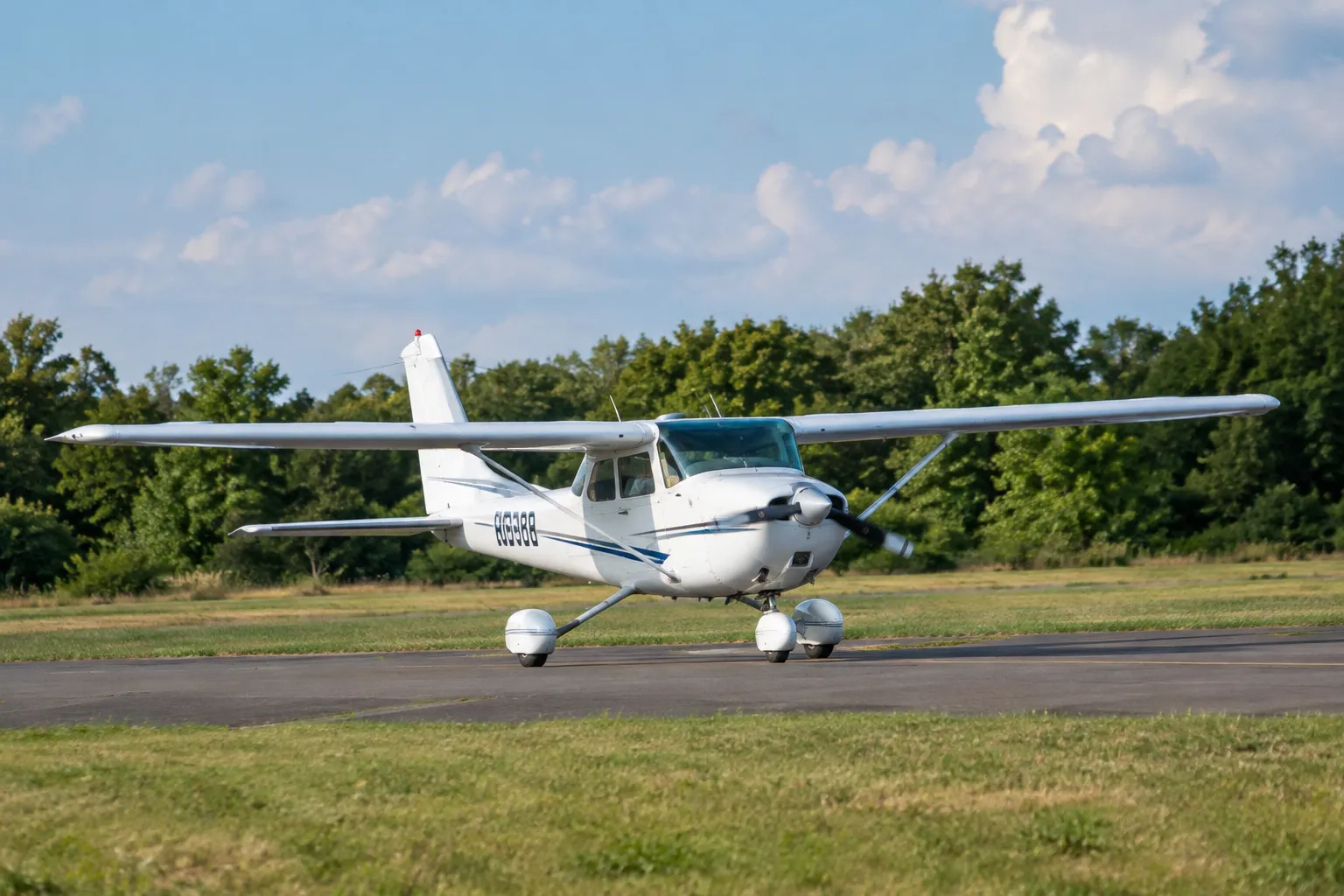
Navigate FBO insurance requirements with confidence and avoid costly coverage gaps


The Insurance Conversation Every Renter Pilot Faces
You call a new FBO to rent an aircraft. The conversation goes well until they ask about your insurance. You mention you have renters insurance, and they respond: "Great, we need a certificate showing $1 million in liability coverage naming us as additional insured."
Suddenly this straightforward rental becomes complicated. What's a certificate of insurance? Who's an additional insured? Is your policy even adequate? And why does every FBO seem to have different requirements?
At SkyWatch, we work with renter pilots navigating these questions daily. Understanding FBO insurance requirements isn't just administrative paperwork. It's about ensuring you have proper protection and maintaining access to aircraft you want to fly.
Why FBOs Require Renter Insurance
Fixed-base operators face significant liability exposure when they rent aircraft. Their insurance covers the aircraft itself, but what about liability claims resulting from pilot actions? That's where your renter insurance enters the picture.
FBOs require proof of your insurance coverage for two reasons. First, it demonstrates you're a serious pilot who takes responsibility seriously. Second, it provides an additional layer of liability protection beyond the FBO's own policy.
Think of it from the FBO's perspective. They're handing over a $300,000 aircraft to someone they might not know well. Verification that you carry liability insurance reduces their risk and shows you understand the responsibilities of aircraft operation.
Standard FBO Insurance Requirements
While requirements vary by operation, most FBOs ask for similar coverage elements. Understanding these standards helps you shop for appropriate coverage from the start.
Liability Coverage Limits
Most FBOs require minimum liability coverage between $500,000 and $1,000,000 per occurrence. Larger FBOs, especially those at busy airports or operating complex aircraft, often require $2,000,000 or more.
This liability coverage protects against bodily injury and property damage claims resulting from your aircraft operation. If you cause an accident that injures others or damages property, this coverage responds to those claims.
Don't confuse this with hull coverage, which protects the physical aircraft. Many FBOs don't require hull coverage from renters because their own policy covers aircraft damage. But some do require it, particularly for expensive or complex aircraft.
Additional Insured Status
The "additional insured" requirement confuses many pilots. When an FBO is listed as additional insured on your policy, they gain certain protections under your insurance if claims arise from your operation of their aircraft.
This doesn't mean they control your policy or can file claims against it directly. It means if someone sues both you and the FBO arising from an incident during your rental, your insurance extends coverage to the FBO as well.
Adding an FBO as additional insured typically costs nothing and requires only a simple endorsement to your policy. At SkyWatch, we make this process instant through our online portal.
Certificate of Insurance
A certificate of insurance is a document proving you carry the required coverage. It shows your policy limits, effective dates, and lists the FBO as additional insured.
Certificates aren't the policy itself—they're summaries showing key information. But FBOs universally require them before allowing you to rent. Without a certificate, you're not flying their aircraft regardless of what coverage you actually carry.
Getting certificates used to require calling your insurance agent and waiting days for paperwork. Modern insurance providers like SkyWatch allow instant certificate generation online, naming any FBO you need.
Reading FBO Insurance Policies
Before you sign a rental agreement, read the FBO's insurance section carefully. It specifies what they require from you and what their policy covers. Missing details here creates problems later.
Key Questions to Ask
What liability limits do you require? Get specific numbers. "We need you to have insurance" isn't sufficient. You need exact dollar amounts to verify your policy complies.
Do you require hull coverage from renters? Some FBOs want renters to carry physical damage coverage on the aircraft. This is less common but not unusual for expensive aircraft.
What's your deductible? If you damage the aircraft, the FBO's insurance applies its deductible. Many FBOs require renters to pay this deductible, which can run from $2,500 to $10,000 or more.
Am I covered under your policy? FBO policies typically cover approved pilots renting their aircraft. But confirm this explicitly and understand any limitations.
Hidden Requirements
Some FBOs have insurance requirements that aren't immediately obvious. Geographic limitations might restrict where you can fly their aircraft. Experience requirements might invalidate coverage if you don't meet minimums.
One common issue: FBOs that require higher insurance limits for certain aircraft in their fleet. You might have adequate coverage for the Cessna 172 but insufficient limits for the high-performance Cirrus. Ask about aircraft-specific requirements upfront.
What Happens When Coverage Lapses
Your renter insurance isn't useful only when accidents occur. It's also your ticket to flying. If your policy lapses, you can't legally rent from FBOs requiring proof of insurance.
This creates practical problems beyond just legal ones. Imagine you're on a cross-country trip and realize your policy expired yesterday. You're grounded at your destination until you can secure new coverage and provide proof to the FBO.
Some insurance policies require 30-day advance notice to the FBO if you cancel or if your policy is cancelled. This protects FBOs from unknowingly renting to uninsured pilots. But it also means you must maintain continuous coverage or provide proper notice.
When FBO Requirements Exceed Your Coverage
You find the perfect aircraft to rent, but the FBO requires $2 million in liability coverage and you carry $1 million. Now what?
You have three options. First, you can increase your coverage limits. Most insurers offer higher limits at modest additional premium. The difference between $1 million and $2 million might only cost $100-200 annually.
Second, you can look for different FBOs with requirements matching your current coverage. Plenty of quality operations have reasonable insurance requirements. Shop around.
Third, you can accept that some aircraft and FBOs remain off-limits until you're willing to carry higher coverage. This isn't ideal, but it's reality. Not every pilot can rent every aircraft at every FBO.
Hull Coverage Considerations
Most renter pilots don't carry hull coverage because FBO policies typically cover physical aircraft damage. But there are situations where hull coverage makes sense for renters.
Some FBOs require it, particularly for expensive aircraft. If the FBO requires you to carry hull coverage, you need it to rent their aircraft. Period.
Other situations where renters choose hull coverage: when FBO deductibles are extremely high, when FBOs make renters responsible for deductibles regardless of fault, or when renting from smaller operations with questionable insurance practices.
Hull coverage for renters typically costs more than liability-only policies. But it can save you from five-figure expenses if you're involved in a significant aircraft damage incident.
Understanding Deductible Responsibility
The FBO's insurance deductible can become your financial liability. Many rental agreements specify that pilots are responsible for deductibles resulting from incidents during their rental period.
A typical scenario: You land hard and damage the nose gear. Repairs cost $15,000. The FBO's insurance pays, minus their $5,000 deductible. Per your rental agreement, you owe the FBO $5,000.
Your renter liability insurance doesn't typically cover this deductible. It's considered a contractual obligation you agreed to, not a liability claim. This surprises many pilots who assumed their insurance covered "everything."
Some renters purchase insurance policies specifically covering FBO deductibles. Others self-insure by maintaining emergency funds. Either approach works, but ignoring the possibility leaves you exposed.
Insurance Requirements for Different Aircraft Types
FBOs adjust insurance requirements based on what you're flying. A simple Cessna 152 trainer might only require $500,000 in coverage. A high-performance Cirrus SR22T might require $2 million or more.
Complex aircraft, high-performance aircraft, and aircraft requiring type ratings typically command higher insurance requirements. The added risk and value justify the additional coverage.
Some FBOs have tiered requirements: basic coverage for trainers, higher limits for complex aircraft, and specific requirements for high-performance or exotic aircraft. Understand these tiers before assuming your coverage works across their entire fleet.
What SkyWatch Has Learned About FBO Requirements
We've processed thousands of certificates of insurance for renter pilots across hundreds of FBOs. We've seen what works, what causes problems, and what FBOs actually care about.
FBOs want proof that you carry adequate insurance. They want to be listed as additional insured. And they want certificates that clearly show coverage dates and limits. That's it. They're not trying to create obstacles. They're protecting their operations.
The problems arise when pilots don't understand requirements, fail to maintain continuous coverage, or try to rent aircraft without proper documentation. All of these issues are easily preventable.
We designed SkyWatch's renter insurance specifically to work seamlessly with FBO requirements. Instant certificates naming any FBO as additional insured. Coverage limits that meet or exceed typical FBO requirements. Flexible policies that adapt to how you actually fly.
Making FBO Insurance Requirements Work for You
Understanding FBO insurance requirements isn't complicated once you know what to look for. Ask clear questions about coverage limits, additional insured requirements, and deductible policies. Read rental agreements before signing. Maintain continuous coverage and keep certificates accessible.
Most importantly, treat insurance requirements as the professional standard they represent, not as bureaucratic nuisances. They exist to protect everyone involved in aircraft rental operations—including you.
Your ability to rent aircraft across multiple FBOs depends on carrying proper insurance and documenting it correctly. Get this right once, and it becomes routine. Get it wrong, and you'll find yourself grounded at the worst possible moments.
Proper renter insurance from SkyWatch ensures you meet FBO requirements without hassle. Instant certificates, appropriate coverage limits, and nationwide protection mean you can focus on flying instead of insurance paperwork.