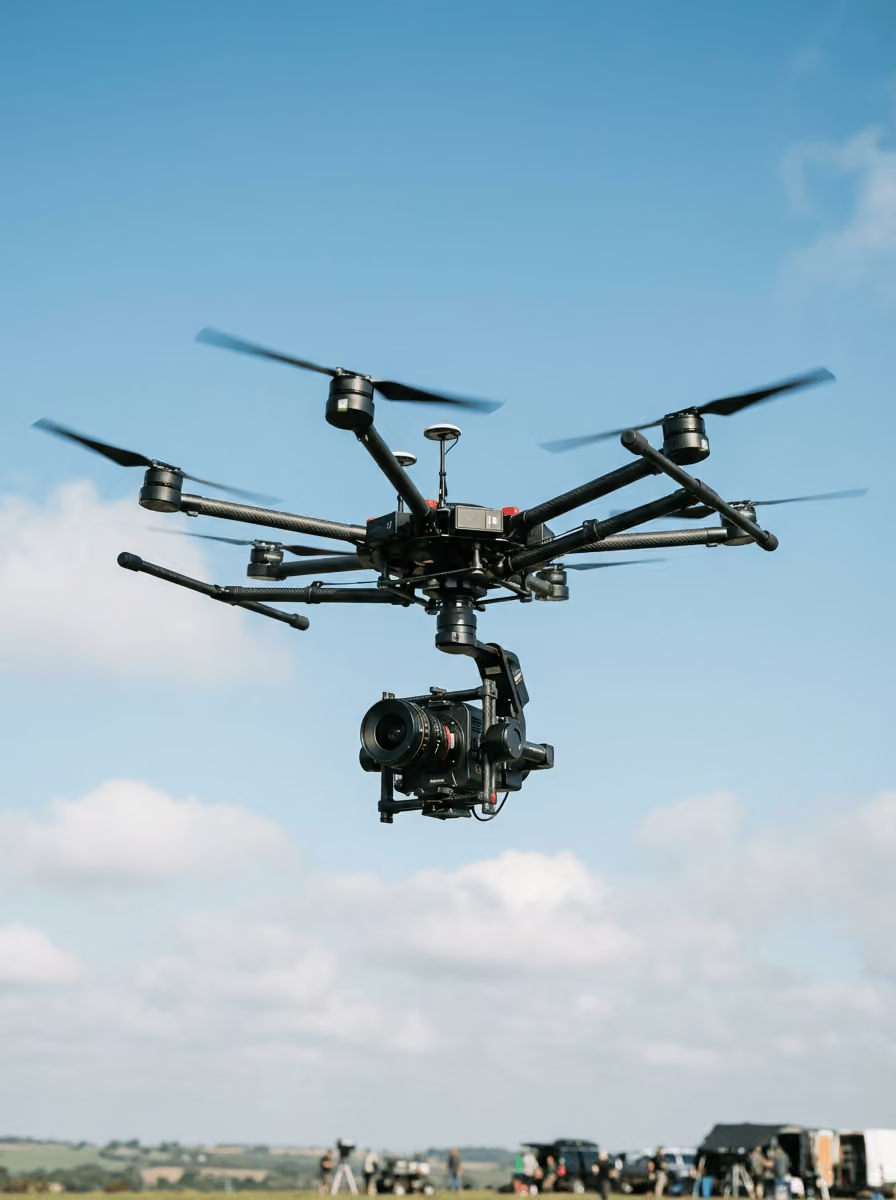
Film sets and live events are two of the most visually compelling environments to fly a drone. They're also two of the most demanding when it comes to insurance. If you're a commercial drone pilot taking on work in either space, the coverage requirements go well beyond a basic liability policy.
Here's what you actually need to know before you show up on location.
Why filmmaking and events carry higher liability exposure
Film sets and events are different from open-field mapping jobs. You're operating near talent, crew members, expensive equipment, and large crowds. A single incident can result in bodily injury claims, property damage claims, or both at once.
Productions and event organizers know this. That's why most will ask for proof of drone insurance before you ever step on location. They want to know you carry adequate limits, and in many cases, they want specific language on your certificate of insurance before they'll sign off on your access.
What clients typically require
Most film productions and event venues require at least $1 million in general liability coverage per occurrence. Larger productions, stadium events, or any job involving a public permit may require $2 million or more.
Beyond the coverage amount, clients often ask for a certificate of insurance naming them as an additional insured, a waiver of subrogation in their favor, and same-day certificate delivery before production begins.
If your current policy can't generate a certificate quickly or doesn't support additional insured endorsements, you risk losing the booking. With SkyWatch, you get a certificate of insurance in minutes with additional insured added on the spot. No waiting on a broker.
On-demand coverage works well for single shoots
If you're doing two or three film or event jobs a month, an annual policy may not be the right fit. Our on-demand model lets you activate commercial drone insurance by the flight or by the month. You pay for what you use, and your certificate is ready before you load the car.
For pilots who run steady event work through a busy season, a monthly plan often makes more financial sense. Either way, you're covered before wheels up.
Flying over crowds is a different risk category
FAA regulations under Part 107 restrict flight over moving vehicles and people without a waiver. Many event jobs require exactly that. If you're operating under a Part 107 waiver for crowd overflight, your drone liability insurance needs to reflect that operational scope.
Standard policies don't always cover operations outside standard Part 107 parameters. Before you accept a job that involves a waiver, confirm your policy covers the specific conditions of that waiver. At SkyWatch, our underwriting accounts for the actual nature of the job, not just a generic flight category.
What happens when something goes wrong on set
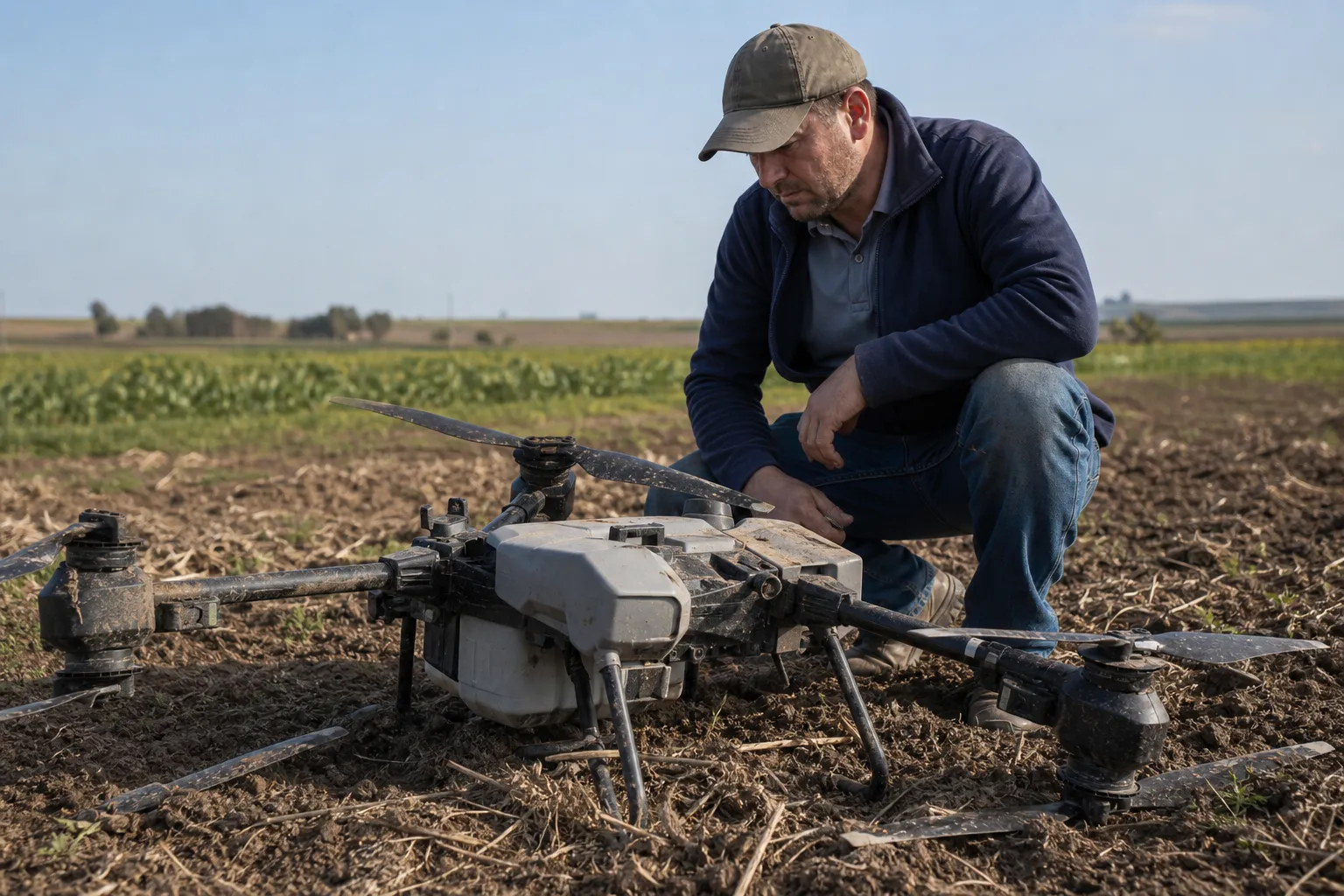
Equipment damage is common on busy sets. Cables, rigging, and expensive camera gear can all be struck if a flight goes off-plan. Your liability coverage handles third-party property damage claims. If your own drone takes a hit, hull coverage pays for repairs or replacement.
Both matter on a film or event job. The drone going down is a problem. The drone taking out a production light worth $15,000 on the way down is a much bigger one. Make sure your policy covers both scenarios before the camera rolls.
Get covered before the shoot, not after
The biggest mistake pilots make is trying to sort insurance after a client requests it. By the time you're reading their contract requirements, the job may already be at risk. Getting your SkyWatch policy in place before you pitch for event or film work means you can respond to any insurance request the same day it arrives.
Ready to fly commercially for film or live events? Get a quote from SkyWatch and have your certificate of insurance ready before your next booking.
Frequently asked questions
Do I need drone insurance for film and video production work?
Yes. Most film productions, studios, and location managers require commercial drone operators to carry liability insurance before accessing any set or location. The standard minimum is $1 million per occurrence, and many productions require $2 million or more. Without coverage, you won't get on location.
What liability coverage do I need to fly drones at events?
Event organizers typically require a minimum of $1 million in general liability per occurrence. Large public events, festivals, or stadium work often require $2 million. Your policy also needs to support additional insured endorsements, since most venues will ask to be named on your certificate of insurance before granting access.
What is an additional insured on a drone insurance policy?
An additional insured is a third party such as a film production company, event venue, or client added to your drone insurance certificate. It means they have coverage under your policy for claims arising from your operations. Most commercial clients require this before allowing you to fly on their property or event.
What is a waiver of subrogation in drone insurance?
A waiver of subrogation means your insurance company agrees not to pursue legal action against the named third party to recover costs after paying a claim. Many film studios and event organizers require this as a condition of hiring a drone operator.
Can I get drone insurance for a single film shoot or event?
Yes. SkyWatch offers on-demand drone insurance that lets you activate coverage by the flight or by the month. You can get insured for a single shoot and generate a certificate of insurance the same day, including additional insured. There is no annual commitment required.
Does my drone insurance cover crowd overflight at events?
Standard Part 107 rules restrict flight over crowds without an FAA waiver. If you're operating under a crowd overflight waiver, your insurance policy needs to explicitly cover that type of operation. Not all policies do. SkyWatch underwrites based on your actual mission type, so confirm your specific operational conditions when getting a quote.
How quickly can I get a certificate of insurance for a film or event job?
With SkyWatch, you can get a certificate of insurance in minutes through the app. You can add an additional insured on the spot and have the certificate emailed to your client the same day. No broker calls, no waiting period.
Does drone insurance cover equipment damage on a film set?
Liability coverage handles third-party property damage such as damaging a production light or camera rig. If your own drone is damaged, that falls under hull coverage, which is separate. Both types of coverage matter on a film set, where expensive equipment surrounds your flight path on every job.