Flight schools have gotten more specific about what renter pilots need to carry. A basic policy used to be enough at most places. Now it is common to see schools requiring $1 million in liability, $100,000 or more in hull coverage, and other requirements that catch new renters off guard the first time they go to book a flight.
Why flight schools set coverage minimums
A flight school's aircraft policy protects the school and the aircraft owner. It does not protect you as the renter if you damage the aircraft or injure someone while acting as PIC.
Schools set minimums partly because leaseback arrangements require it. Owners who put their aircraft on a school's line want to know renters carry their own coverage. The standard is $1 million per occurrence in liability, covering bodily injury or property damage to third parties. Hull coverage is separate and covers physical damage to the aircraft itself.
What the hull numbers actually mean
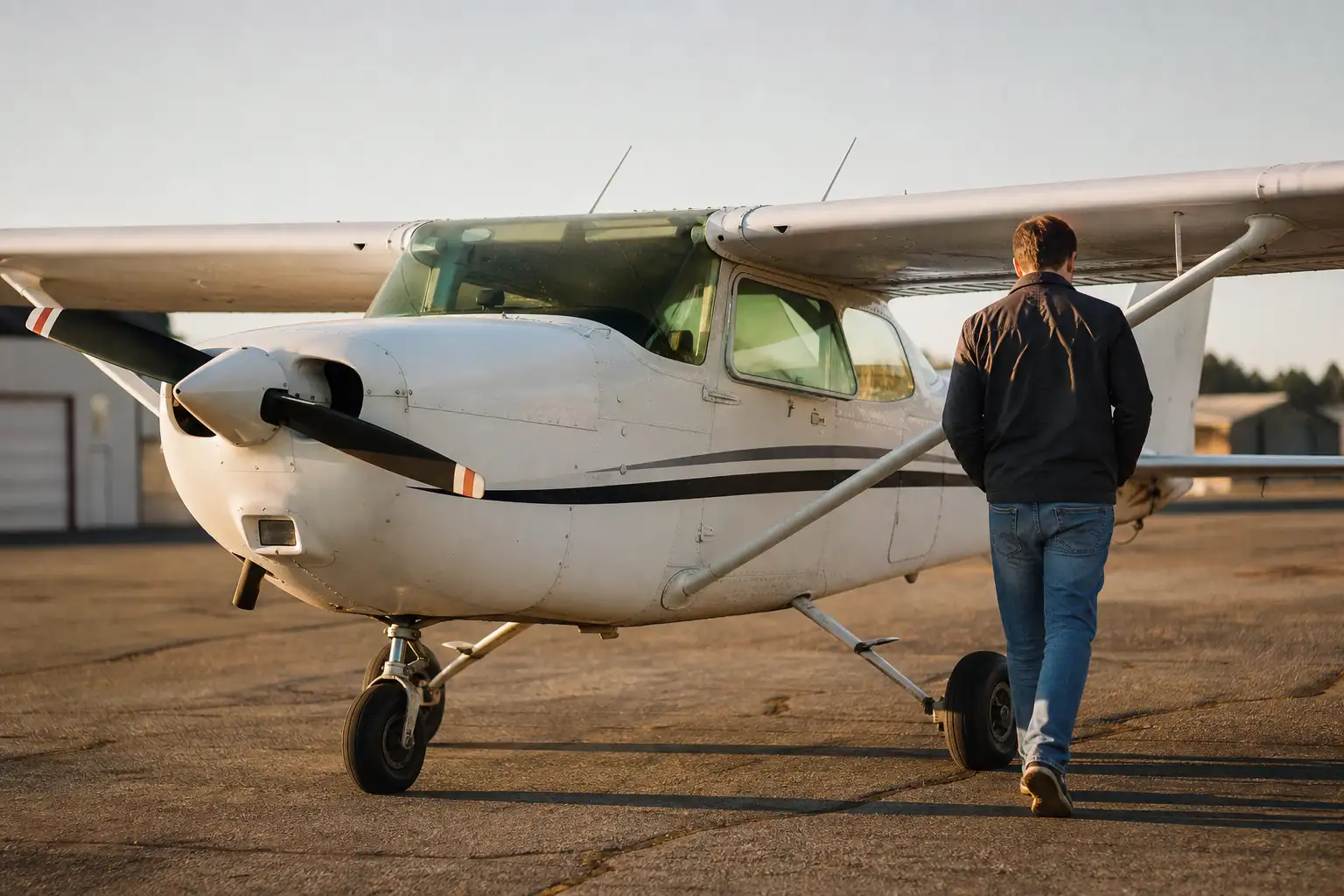
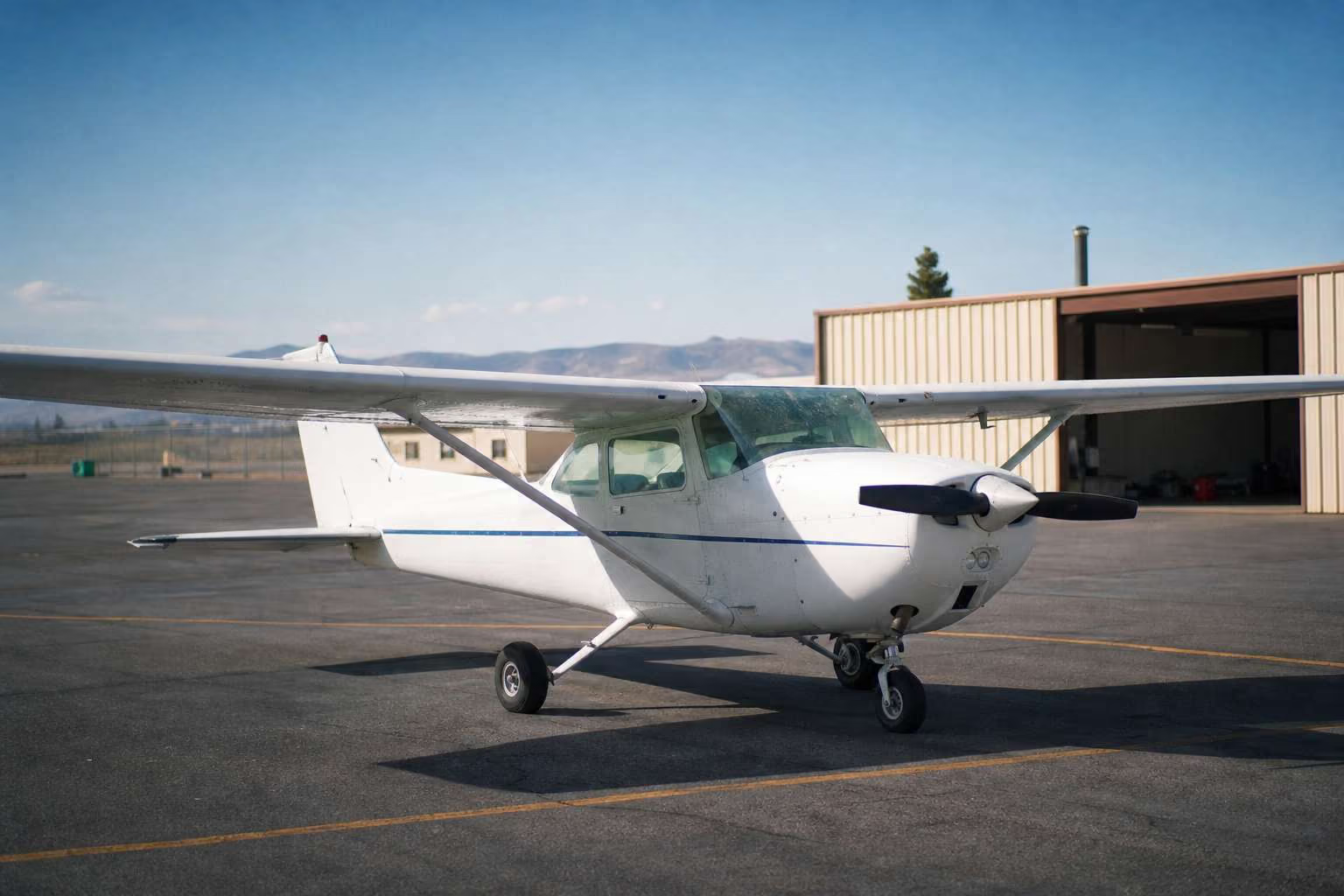
A Cessna 172 in good condition costs $250,000 to $350,000 or more today. If you damage the airframe and the owner's insurer pays out, they can come after you for that loss through subrogation. Your hull coverage is what stands between you and that claim.
Schools requiring $100,000 in hull are not being arbitrary. Some push that number higher depending on what aircraft they operate. One option pilots miss: buying an annual policy and canceling once training is done. Most carriers prorate refunds. Cancel after 90 days on a $500 annual policy and you might pay around $125 for the period you actually flew, which can be cheaper than stacking monthly plans.
What being on the school's policy does not do for you
Some schools list students as named pilots on their aircraft policy. This feels like coverage, but there is a gap. Being named on the school's policy does not protect you from their insurer pursuing you through subrogation. Their policy pays the school first. After that, the insurer can still come after whoever caused the loss.
Your own aircraft renters insurance responds to claims made against you directly. For student pilots finishing a rating over several months, a plan built for that timeline is more flexible than buying short-term coverage month to month. Most personal non-owned policies also cover you at any school or club you rent from, not just the one where you first signed up.
Before buying anything, get your school's minimums in writing: liability per occurrence, minimum hull, and whether they want to be listed as an additional interest on your policy. That last part is a standard endorsement and costs nothing extra.
Frequently asked questions
My flight school has insurance on the aircraft. Do I still need my own policy?
Yes. The school's policy covers the school and the aircraft owner, not you. Their insurer can still pursue you for damages through subrogation. Your own policy is the only one that responds in your name.
What is the difference between liability and hull coverage?
Liability pays for bodily injury or property damage you cause to others. Hull pays for physical damage to the aircraft you were flying. Most school minimums require both, and they work independently.
My school requires $100,000 in hull but monthly plans cap lower. What are my options?
Look at an annual policy with a prorated cancellation clause. Cancel when your training is done and recover most of the unused premium. You may end up paying less than stacking monthly plans.
Does my non-owned policy cover me at other schools?
Yes, in most cases. A personal non-owned policy follows you as the pilot, not a specific location or aircraft registration.
What does listing a school as an additional interest mean?
They get notified if your policy changes or is canceled. It does not give them coverage under your policy and costs nothing extra. Ask your insurer to add it as a standard endorsement.