Construction sites are among the most demanding environments for commercial drone operators. You are flying over active crews, heavy machinery, and structures under load. The job pays well, and the demand is growing. But the insurance requirements that come with it are a step up from a typical real estate shoot or survey flight.
If you have been doing commercial drone work for a while, you already know that every client is different. Construction clients are especially specific about what they need from your policy. General contractors, project owners, and site managers have their own insurers watching over job sites. When you show up with a drone, they want to know you are covered, and that your coverage meets their standards, not just a baseline Part 107 requirement.
Here is what that actually looks like in practice.
The liability limits construction clients ask for
Most commercial drone insurance policies start at $1 million in liability coverage. That works for real estate photography and event work. Construction is different. General contractors typically require $1 million to $2 million in third-party liability, and larger project owners sometimes ask for higher limits depending on the scope of the job.
The reason is straightforward. Construction sites have more people, more equipment, and more moving parts than most other job environments. A drone malfunction or pilot error in that environment could cause significant property damage or injury. The client's insurer knows this, and they set the requirements accordingly.
Before you accept a construction job, ask for the contract or certificate of insurance requirements up front. It is much easier to adjust your policy before the job than to lose a contract because your coverage came in short.
Additional insured and what it means for your policy
Almost every construction client will ask to be named as an additional insured on your policy. This is standard. It means that if a claim arises from your drone operation on their site, their name appears on your policy as a covered party.
With SkyWatch, you can add an additional insured directly in the app or web portal. It takes a few minutes. You also receive an updated certificate of insurance immediately, which you can send to your client before the job starts. For construction projects with tight timelines, that speed matters a lot.
Some clients also ask for a waiver of subrogation. This means your insurer cannot pursue the client to recover costs if a claim is paid out. It protects the client from secondary liability after the fact. SkyWatch policies include this option, and it is added at the same time as the additional insured.
Hull coverage deserves a second look
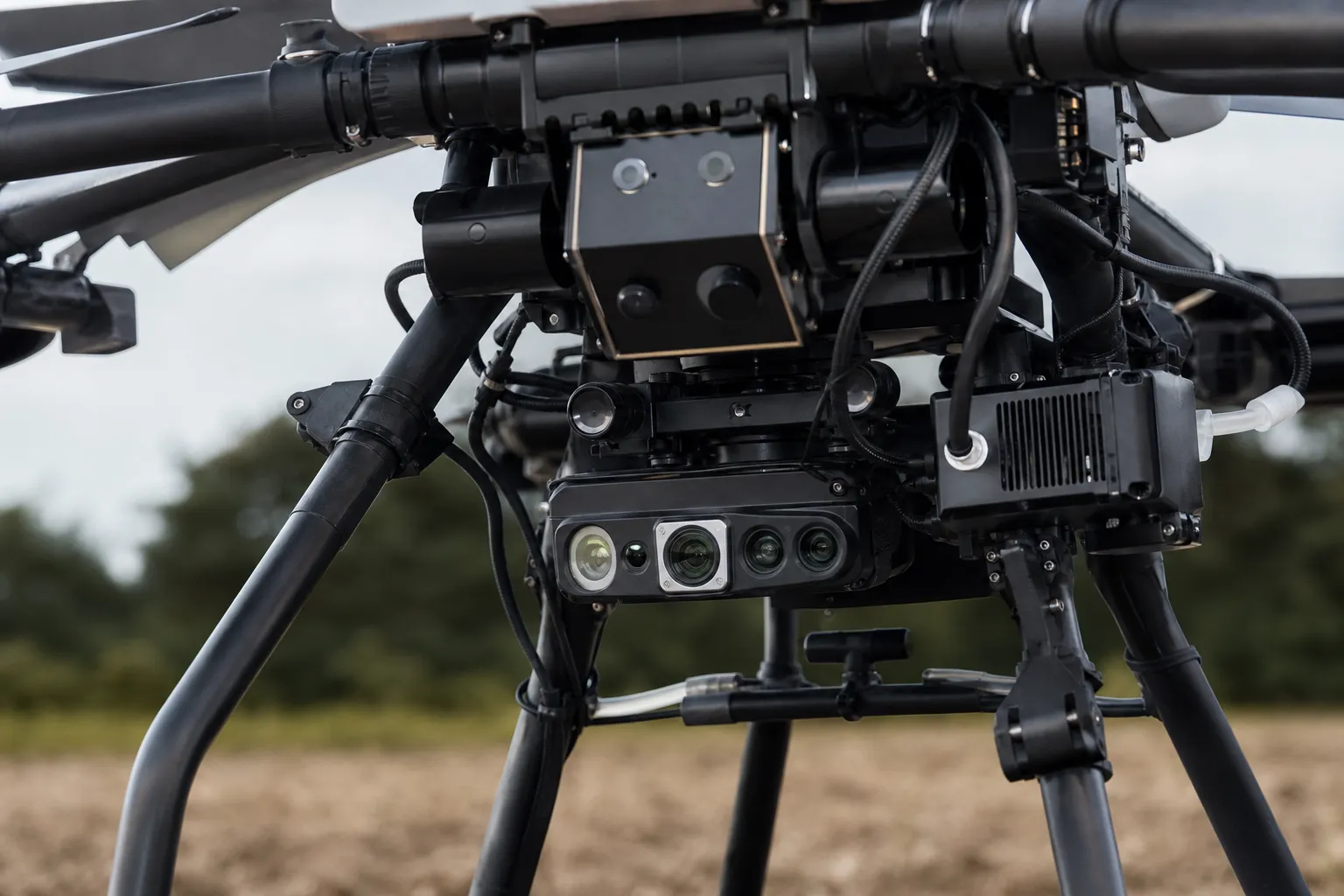
Construction site conditions are harder on equipment than most other environments. Dust, wind, proximity to structures, and the pace of a working job site all increase the chances of a hard landing or minor collision. If you are flying a commercial mapping drone worth $10,000 or more, flying without hull coverage is a real financial risk.
Drone insurance through SkyWatch lets you add hull coverage to your policy for the equipment you actually want to protect. You choose the insured value and pay accordingly. For construction operators flying high-value payloads, this is worth the cost.
On-demand coverage fits how construction jobs actually work
Construction contracts are not always predictable. You might get three jobs in one week and then nothing for two weeks. An annual policy makes sense if you fly constantly, but many construction drone operators work on a project basis.
SkyWatch gives you the option to carry coverage by the month or purchase it for specific flights. You are not locked into paying year-round for a job cadence that varies. When a new contract comes in, you can get coverage active and have your certificate of insurance ready the same day.
What to do before your next construction job
Ask for the insurance requirements in writing before you sign anything. Check that your liability limit meets what the client needs. Add them as an additional insured and pull your COI. If you are flying expensive equipment, add hull coverage for that job.
None of this has to take long. SkyWatch is built so you can handle it from your phone. Visit skywatch.ai to get your quote and have your documentation ready before the first site walk.