You get an inquiry. A utility company needs aerial inspection footage of a transmission line corridor. The project is solid, the pay is good, and they want to move fast. Then comes the email: "Please send proof of insurance before we can confirm." You open your files. You're not sure what you have. You're not sure what they need. The job is sitting there, and you're scrambling.
This happens more than it should. Inspection work is one of the strongest markets for Part 107 operators right now, covering everything from solar farms and rooftops to cell towers, pipelines, and utility infrastructure. But these clients are not casual. They have procurement departments, legal teams, and vendor requirements that were written before drones were even part of the conversation. Showing up without the right paperwork means no contract, no matter how good your flight credentials are.
What inspection clients actually require
The document they're asking for is a certificate of insurance, and a drone insurance certificate for infrastructure work needs to show more than just a policy number.
Liability limits are the first thing clients check. Most inspection contracts require a minimum of $1 million in general liability coverage. For cell tower and high-voltage utility work, $2 million is common, and some contracts push higher. The limit needs to match the contract, not just whatever default your policy came with.
Two other requirements trip up operators constantly. The first is named additional insured status. The client wants to be listed on your policy, which means if something goes wrong and a claim gets filed, their exposure is covered under your insurance. The second is a waiver of subrogation. Without it, your insurer could theoretically go after the client to recover costs after paying a claim. Clients know this and they block it in the contract language. Your additional insured drone policy needs to include both or you will get kicked back.
Hull coverage is not optional for inspection work
Drone liability insurance protects other people. Hull coverage protects your aircraft. In inspection environments, those are not the same risk.
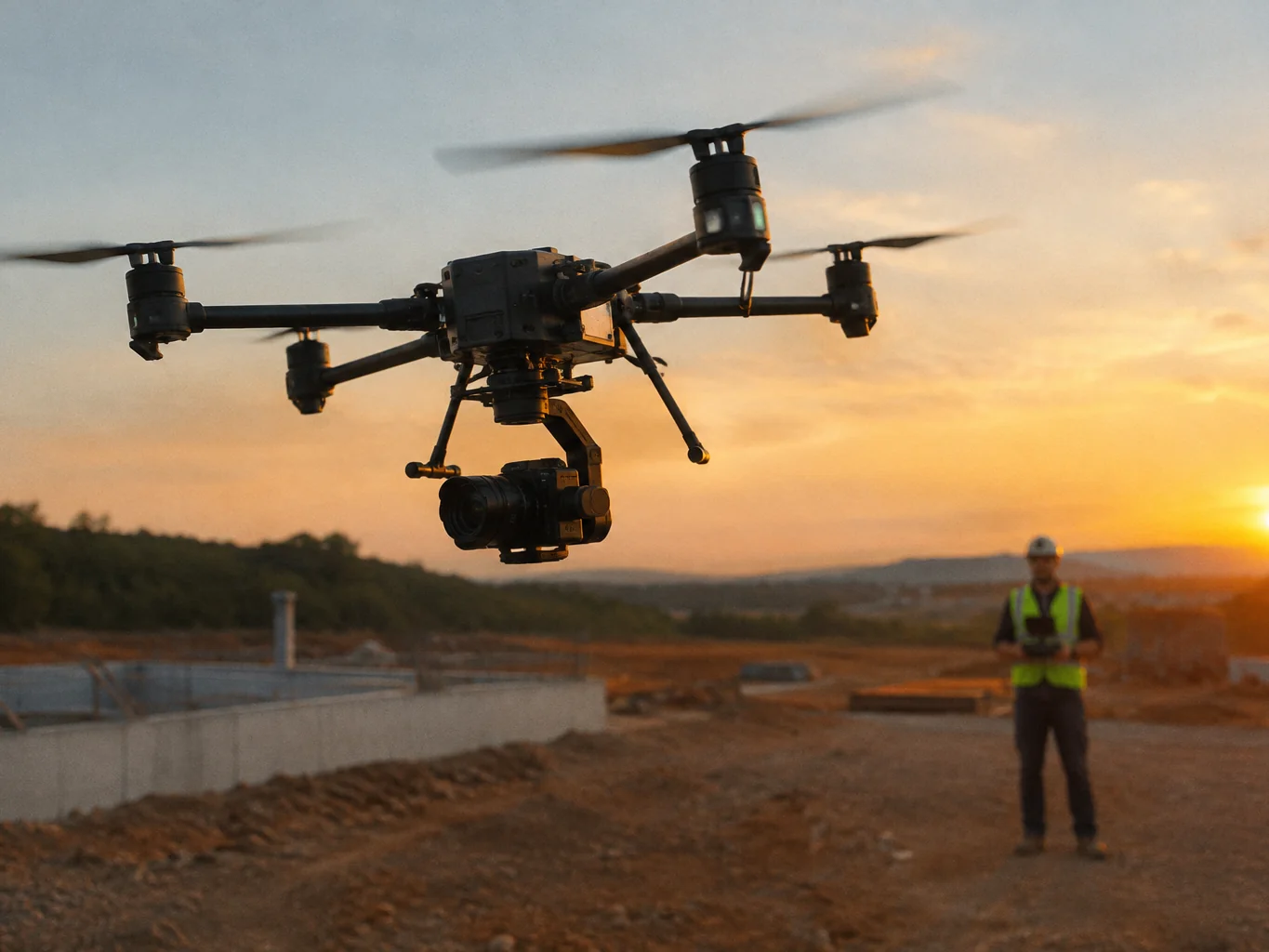
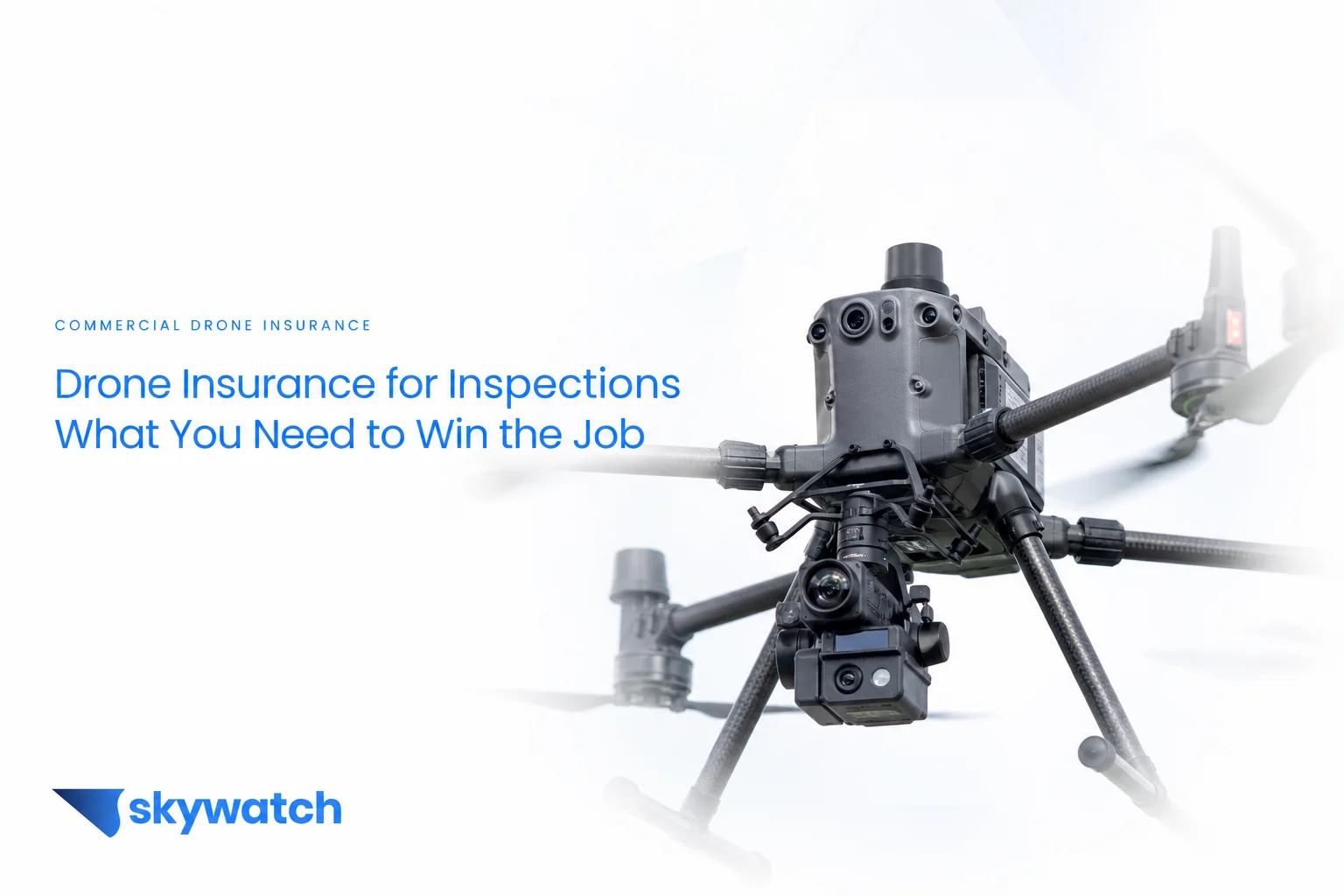
Flying close to a cell tower, a power line, or metal infrastructure at height is a different exposure than a standard aerial photo flight. One unexpected gust, one moment of magnetic interference, and a Matrice 300 with a Zenmuse payload is heading somewhere bad. Repair and replacement costs for that kind of equipment run into five figures fast. If you are doing this work professionally, hull coverage should be part of every policy you carry.
Getting covered before the contract window closes
This is where drone insurance for business needs to actually work like a business tool. The best inspection opportunities move quickly. Waiting days for a policy document is not realistic.
With SkyWatch, you can get a commercial drone insurance certificate the same day you need it. Coverage is on-demand, which means you activate it before each flight and pay for what you actually use. If a contract requires higher limits than your current policy, you can adjust before you fly. The COI goes out, it shows the right limits, it names the client as additional insured, and you move forward.
Inspection work rewards operators who are prepared. Get a quote before your next inquiry comes in, not after.