Aerial photography for real estate is one of the most accessible entry points into commercial drone work. It is also one of the most misunderstood from an insurance standpoint.
The Job Looks Simple. The Liability Is Not.
Real estate aerial photography is how a lot of commercial drone pilots land their first paying clients. The jobs are abundant, the workflow is straightforward, and the barrier to entry is relatively low for someone with a Part 107 certificate and a capable camera drone.
But here is what catches pilots off guard: real estate and aerial photography work carries a specific set of liability exposures that a generic drone insurance policy may not fully address. The shoots are often near occupied structures, above private property, and sometimes over people. The deliverables involve footage and images that can raise privacy considerations. And the clients, whether individual agents, brokerages, or property developers, often have insurance requirements that go beyond the minimum.
We talk to commercial drone pilots every week at SkyWatch, and the real estate niche comes up often in conversations about coverage gaps. This guide is our attempt to lay out what actually matters before your next job.
What Real Estate Clients Actually Require
If you are approaching real estate agents and brokerages as clients, expect to be asked for a certificate of insurance before you ever fly. This is now standard practice in the industry, and the requirements are fairly consistent across the board.
Most real estate clients require a minimum of $1 million in general liability coverage per occurrence. Larger brokerages, property developers, and commercial real estate firms often ask for $2 million, and some enterprise clients go higher. The certificate of insurance needs to be issued to the client as an additional insured in many cases, which means your insurer needs to be able to accommodate that request quickly.
The speed of certificate generation matters more in this niche than most pilots realize. Real estate shoots are often booked on short notice to align with listing timelines, weather windows, and client schedules. If a brokerage calls you on a Tuesday for a Thursday shoot and you cannot produce a current COI within the hour, you will lose that job to someone who can. At SkyWatch, pilots can generate certificates of insurance instantly from their account, which is exactly what this kind of work requires.
Privacy Exposure Is Real in This Niche
Aerial photography introduces a layer of liability that does not exist in most other drone applications: privacy claims.
When you are flying over a residential property for a listing shoot, you are also flying over neighboring properties, backyards, and private spaces. Even with careful piloting and proper airspace authorization, your footage can inadvertently capture neighboring activity. Depending on the jurisdiction and the circumstances, that can expose you to a personal injury claim based on invasion of privacy.
Most standard liability policies cover bodily injury and property damage. Personal injury coverage, which includes invasion of privacy claims, is a separate line item that not all policies include by default. Before you start taking real estate clients, confirm that your policy extends to personal injury claims and not just physical damage.
This is not a theoretical concern. Privacy claims in aerial photography have appeared in legal disputes, and the regulatory landscape around drone imagery and residential areas continues to evolve at the state level.
Errors and Omissions: The Coverage Most Pilots Skip
Real estate clients are paying for deliverables. Footage that does not meet the quality standard, images that are technically flawed, or a shoot that has to be rescheduled due to equipment failure creates a business dispute with the client. If that dispute escalates, it can become a claim against you as the service provider.
Errors and omissions coverage, also called professional liability insurance, protects you when a client claims your work product was deficient or that your professional judgment caused them financial harm. A real estate agent who argues that poor aerial footage cost them a sale, or a brokerage that claims you delivered unusable images for a high-value listing, has grounds to pursue that as a professional liability claim even if no physical damage occurred.
E&O coverage is not typically bundled into a standard drone liability policy. It requires a separate endorsement or standalone policy. Whether you need it depends on the volume and value of your real estate work, but it is worth understanding the exposure before you build out a client roster in this space.
Hull Coverage in a High-Turnover Niche
Real estate aerial photography tends to involve high flight frequency and a lot of launches from unfamiliar locations. Parking lots, front lawns, narrow suburban streets with overhead lines, and tight residential lots with trees in all directions. These are not the wide-open agricultural fields or industrial sites that some commercial drone pilots are used to.
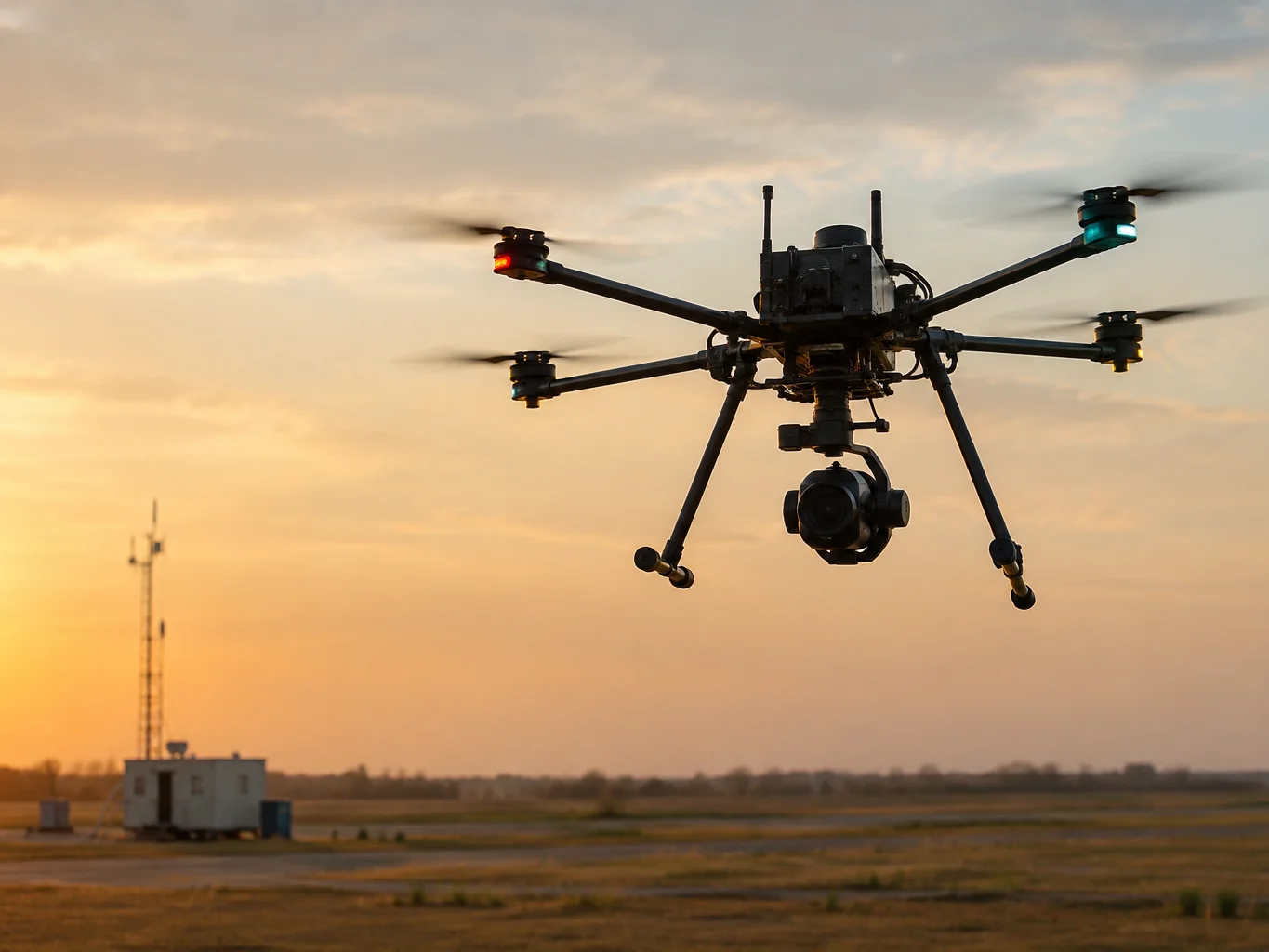
The incident rate in residential environments is higher than in open terrain, and the obstacles are less predictable. That means hull coverage for your aircraft and any camera payload is not an afterthought. If your camera drone and stabilized gimbal represent $8,000 to $15,000 in combined value, and that equipment is operating at high frequency near structures, insuring it at full replacement value is a straightforward business decision.
When you set your hull coverage limit, use the actual replacement cost of the drone and payload together, not just the airframe. The camera system is often worth as much as the drone itself, and policies that cover the aircraft but not the payload leave a meaningful gap.
A Note on Flying Near People and Populated Areas
Part 107 rules place restrictions on flying over moving vehicles and people without a waiver, and real estate shoots in populated neighborhoods regularly approach those boundaries. If your operations involve any elevated risk relative to standard Part 107 compliance, your policy language needs to hold up under that scrutiny.
This is one area where reading your policy carefully pays off. Some policies include exclusions for operations in populated areas, over public events, or under conditions that a standard pilot might not flag as unusual. Understanding those exclusions before you accept a job is significantly better than discovering them when you are trying to file a claim.
At SkyWatch, we are built to support commercial operators who are flying the work that actually exists in the market, including urban and suburban real estate environments. Being 100% MOSAIC-ready means our platform is aligned with where commercial drone operations are heading, not where they were a decade ago.
Getting Your Coverage Right Before the Next Listing Appointment
The practical checklist for real estate drone pilots comes down to a few specific items.
Confirm your liability limits meet the requirements of your actual clients. If you are targeting brokerages and developers rather than individual agents, $1 million may not be enough. Know what you are walking into.
Make sure your policy includes personal injury coverage for privacy claims. Do not assume it is there. Check the language.
Evaluate whether E&O coverage makes sense given the value and volume of your work. It is not required, but it is worth understanding the exposure.
Insure your hull and payload at full replacement value. High-frequency residential flying warrants it.
Confirm you can generate certificates of insurance instantly. In real estate, that capability is a competitive advantage.
If you are starting in real estate aerial photography or expanding that part of your commercial drone business, get a quote at skywatch.ai and make sure your coverage reflects the work you are actually doing.