Master these five safety checks to fly with confidence and stay protected
Why Pre-Flight Checks Matter More for Renter Pilots
When you're flying an aircraft you don't own, you're trusting someone else's maintenance records and care. That's why thorough pre-flight safety checks aren't just good practice—they're essential protection for both your safety and your insurance coverage.
At SkyWatch, we work with renter pilots every day, and we've seen how proper safety protocols can prevent incidents and ensure smooth insurance claims when the unexpected happens.
1. Document the Aircraft's Condition Before You Fly
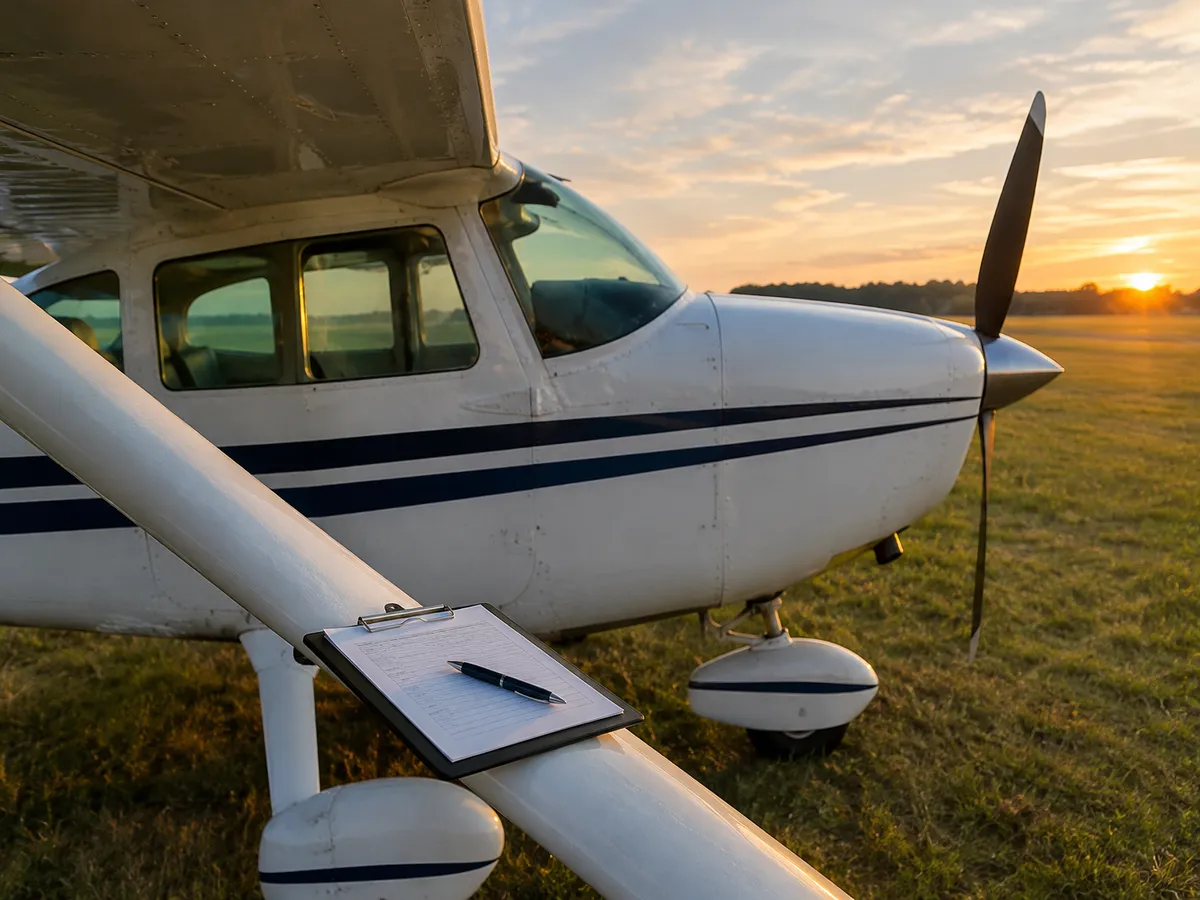
Before you even start your walkaround, take a few minutes to document the aircraft's condition. Use your phone to take photos of any existing damage, scratches, or wear. This simple step protects you from liability for pre-existing conditions.
Check that the maintenance logs are current and that the aircraft has a valid annual inspection. Your non-owned aircraft insurance assumes you're flying airworthy aircraft, so verifying this protects your coverage.
2. Conduct a Methodical External Inspection
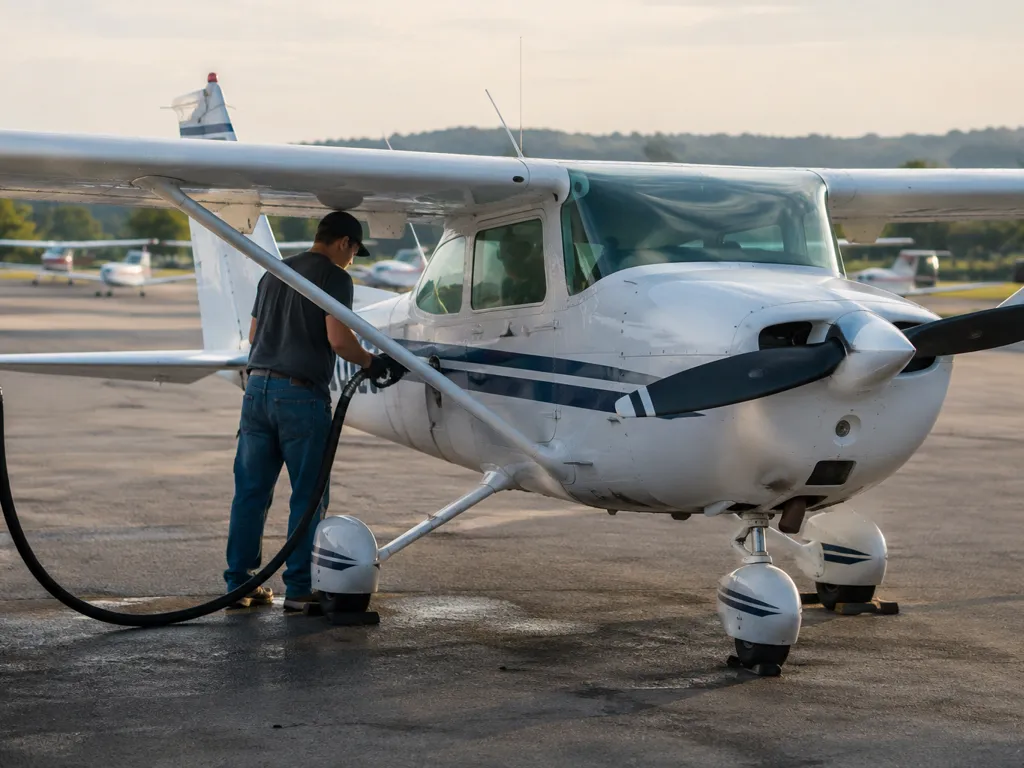
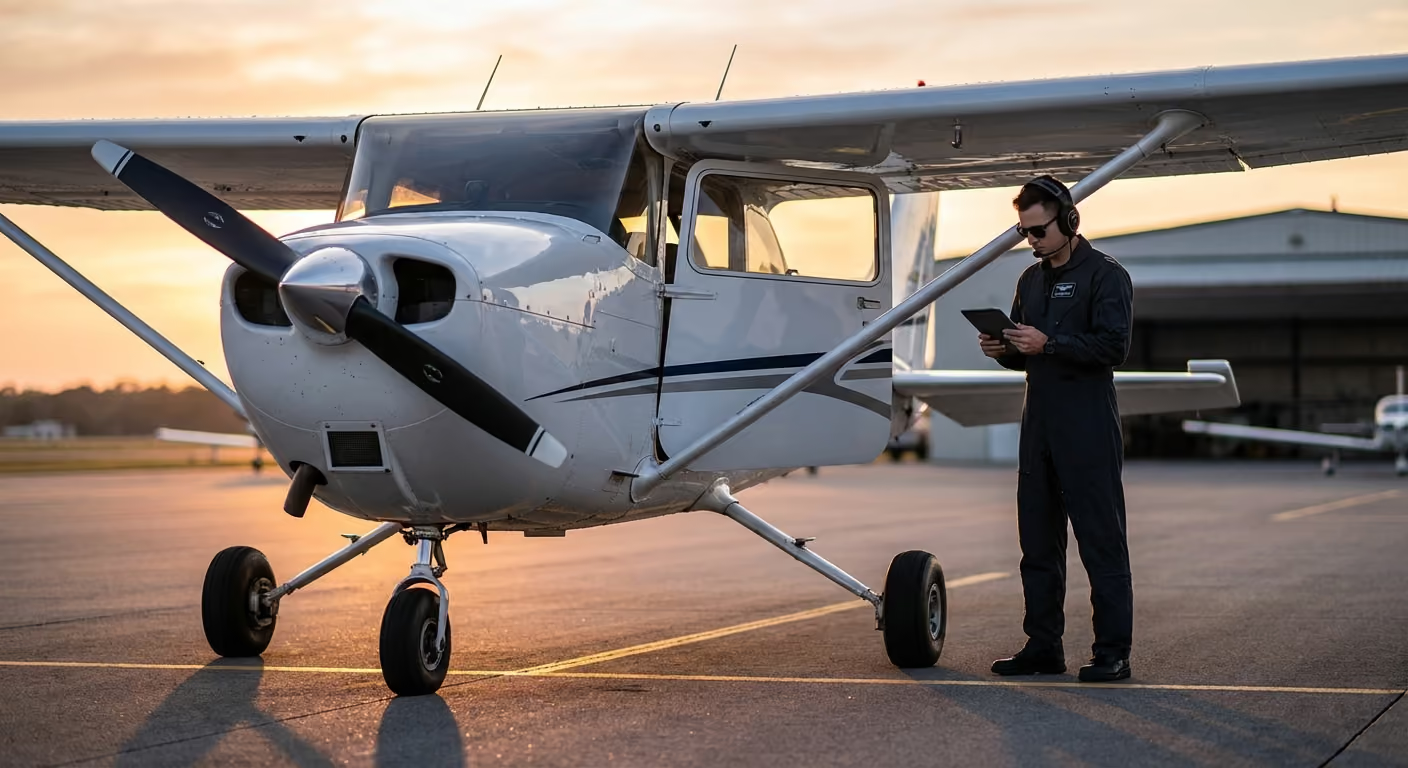
Don't rush your walkaround. Follow the same systematic pattern every time, checking for fuel contamination, proper oil levels, tire condition, and any signs of leaks or damage. Pay special attention to control surfaces and ensure they move freely with no binding.
For renter pilots, it's worth spending extra time on this step. You may not be familiar with this specific aircraft's quirks, so take the time to understand what's normal and what's not.
3. Verify All Required Documents Are Onboard
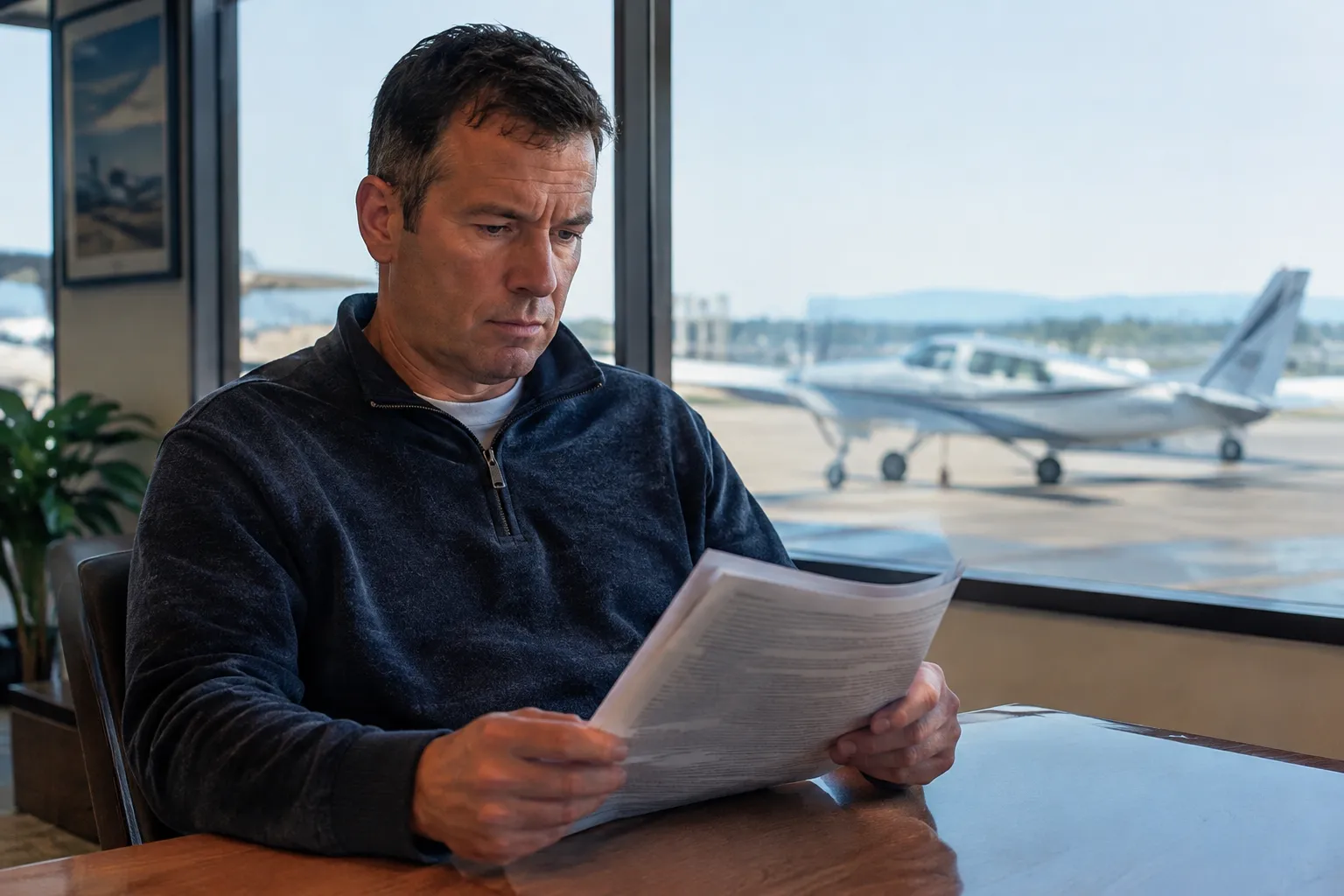
Make sure the aircraft has current registration, airworthiness certificate, operating handbook, and weight and balance information. These documents aren't just regulatory requirements—they're critical if you need to file an insurance claim.
Missing or expired documents can complicate claims and may even affect your coverage, so make this a non-negotiable part of your pre-flight routine.
4. Test All Critical Systems Before Takeoff
During your run-up, methodically test every system. Check magnetos, confirm proper RPM drops, test carburetor heat, verify flight instruments are working, and ensure radios are functioning properly.
If something doesn't feel right, don't fly. It's better to cancel a flight than to deal with an in-flight emergency or an insurance claim for an incident that could have been prevented.
5. Review Your Insurance Coverage Before Each Flight
This might sound like extra work, but taking 30 seconds to confirm your SkyWatch non-owned aircraft insurance is active and covers the aircraft you're about to fly can save enormous headaches later.
Check that your policy limits match the rental requirements and that you understand your deductible. If you're flying a different category of aircraft than usual, make sure your policy covers it.
How SkyWatch Supports Safe Flying
Your pre-flight safety checks and your insurance coverage work together to protect you. At SkyWatch, we designed our non-owned aircraft insurance specifically for renter pilots who take safety seriously.
Our policies are flexible, covering you across different aircraft, and our team understands the unique challenges renter pilots face. We're here to answer questions about coverage, help you understand policy details, and ensure you're protected for every flight.
Make Safety Your Standard
These five pre-flight checks should become second nature. They protect your safety, preserve your insurance coverage, and give you the confidence to enjoy flying.
Remember, thorough pre-flight preparation isn't just about following rules - it's about taking responsibility for your safety and the safety of everyone who shares the sky with you.
Whether you're renting from your local flight school or flying a friend's aircraft, these safety fundamentals remain the same. Take your time, be methodical, and never compromise on safety.