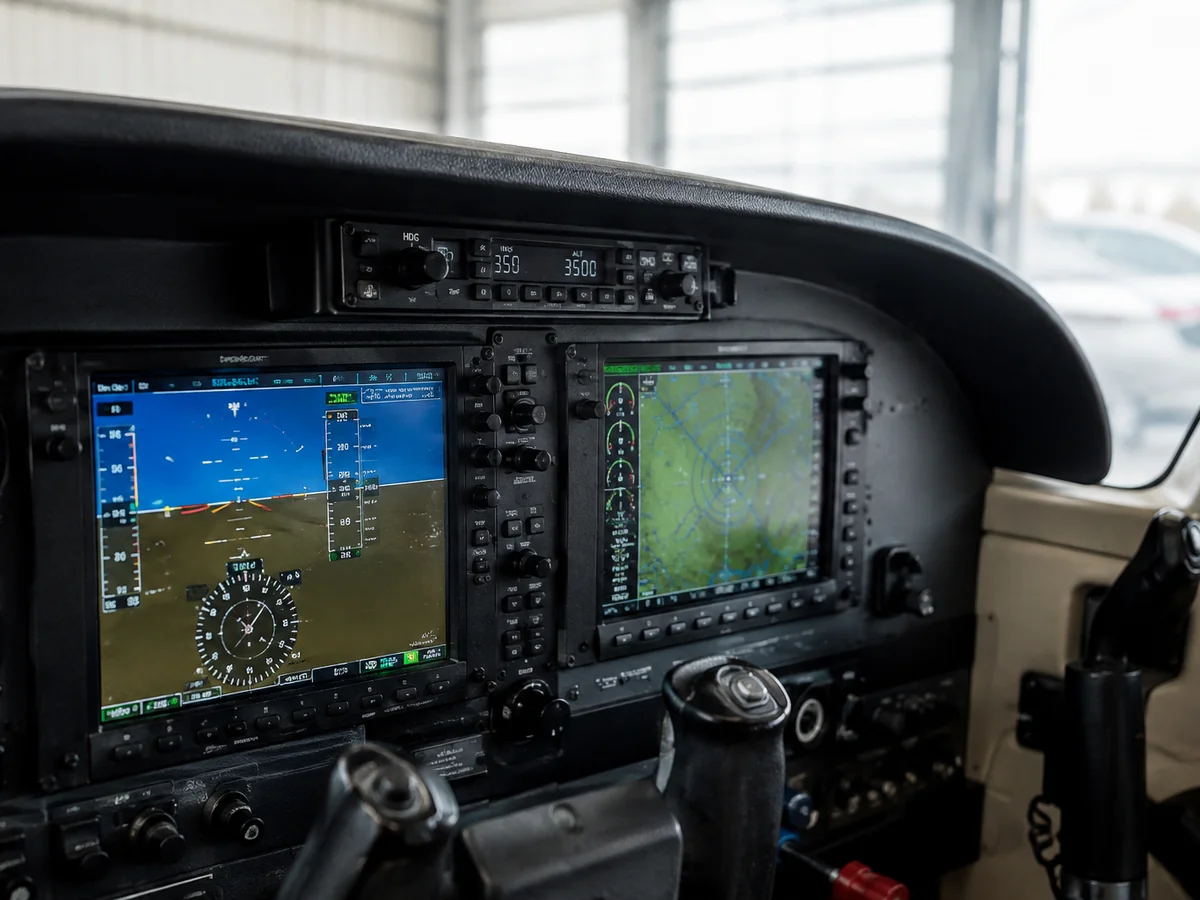


A lot of pilots buy an aircraft for personal use and gradually start flying it for work. A client visit here, a site survey there. Most never stop to check whether their policy actually covers those flights.
The answer depends on how your policy defines purpose of use, and many owners are operating under the wrong assumption.
How insurers define business use
When you applied for coverage, you described your flying as personal, pleasure, or business and pleasure. That declaration matters. Insurers price risk based on how and why a plane gets flown.
Most owner policies include some business use, but the scope varies. Flying yourself to a meeting is generally fine. Flying employees or clients as passengers is a different situation, and some policies exclude it.
The passenger problem
Carrying employees changes the liability picture. Injuries on your aircraft can fall under workers' compensation in some states, but your standard policy may not respond the way you expect when those passengers are on company payroll.
Carrying clients is less complicated legally, but your policy language still controls what gets paid if something goes wrong.
Check your purpose of use declaration
Pull out your policy and look for the approved uses section. Common categories are pleasure and business, industrial aid, and commercial. Industrial aid covers flying connected to a business you own, where the aircraft isn't the product being sold. Commercial implies compensation for carriage, triggering a separate regulatory framework.
If your policy says pleasure only and you're flying business trips, that's a gap worth fixing. Updating your purpose of use costs nothing. Filing a claim under coverage you don't have costs considerably more.
FAA rules add another layer
Under Part 91, a private pilot can be reimbursed for business travel as long as the flight is incidental to the business. Once you're regularly carrying passengers for your company, Part 135 territory starts to appear, and a Part 91 policy almost certainly won't cover Part 135 operations.
Insurance investigators look at the nature of flights when evaluating a claim, not just the certificate on the wall.
Before your next business flight
Review your declaration and call your broker if anything is unclear. Ask specifically about carrying employees and clients. If your flying has changed, request an endorsement reflecting current use.
SkyWatch makes it straightforward to get aircraft insurance that fits how you actually fly, including single-engine coverage for owner-pilots. Getting aligned with your real flying takes one conversation and prevents a larger problem later.
Frequently asked questions
Does a standard owner aircraft policy cover business flights?
Most do, if your policy lists business and pleasure as an approved use. The scope varies by carrier, so review your declaration page and confirm with your broker.
Can I carry employees as passengers on my personal aircraft?
It depends on your policy. Some carriers exclude employees-as-passengers or apply sublimits. Workers' compensation may also factor in. Check your policy before flying employees regularly.
What is industrial aid coverage?
Industrial aid applies when your aircraft supports your own business and isn't itself the service being sold. If you own a business and fly for company travel, this is worth discussing with your broker.
Will my insurance cover a flight if my employer reimburses me?
Reimbursement for incidental business travel is generally permitted under Part 91 and covered under most business and pleasure policies. If it involves regular passenger carriage, review your policy and FAA operating category.
What happens if I file a claim and my use doesn't match my policy?
The insurer can deny the claim, even if the mismatch was unintentional. Keeping your policy updated to reflect how you actually fly is the simplest way to avoid that outcome.