
If you are shopping for an experimental aircraft, or you already own one, you have probably noticed that getting insurance is not as straightforward as it is for a certified Cessna or Piper. The market is smaller, the underwriters are pickier, and the questions they ask go much deeper than what you might expect. We get questions about this constantly from pilots who are excited about their build or their kit aircraft purchase and then hit a wall when they start looking for coverage.
Here is what you need to understand going in.
Why experimental aircraft are treated differently
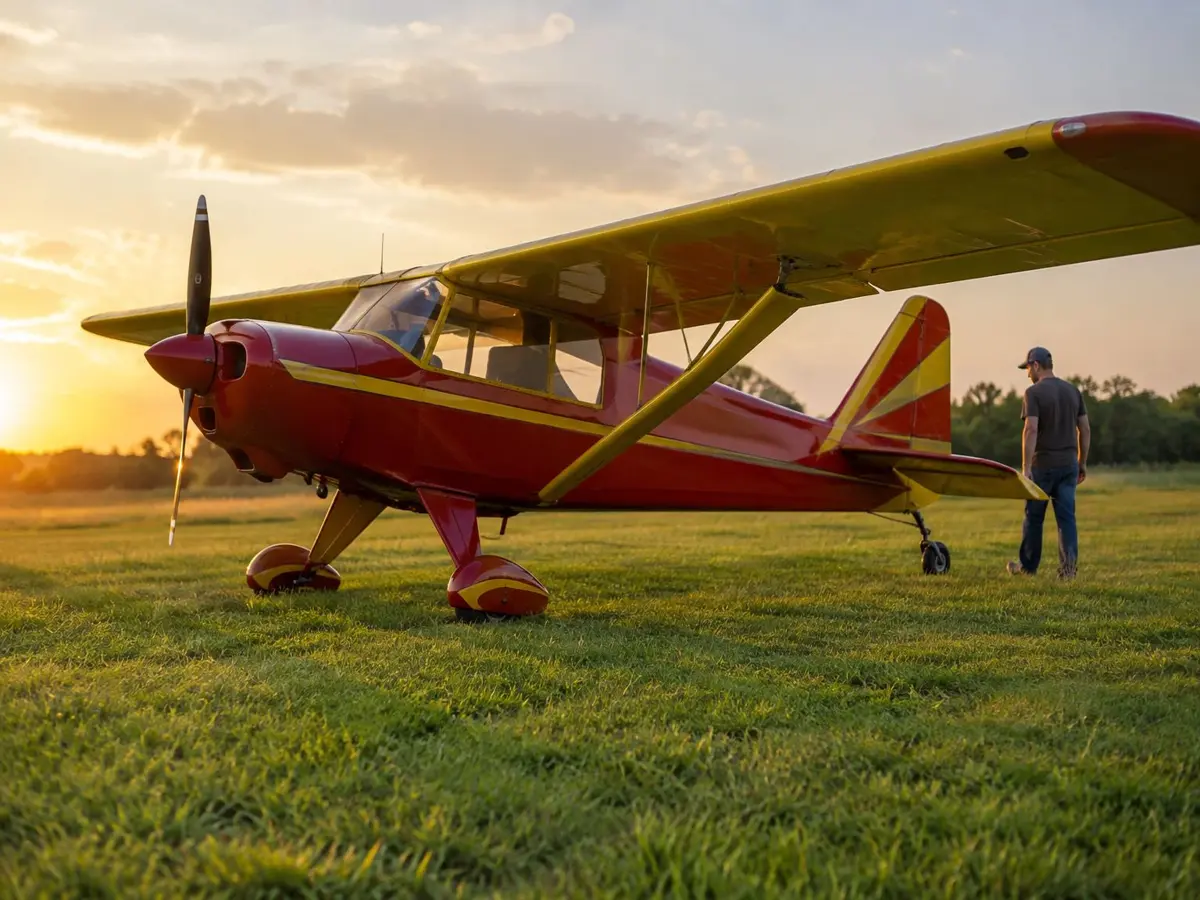
The FAA's experimental category is broad. It includes amateur-built aircraft, experimental light sport aircraft (ELSA), and a range of other special purpose classifications. From an insurance standpoint, the fact that no type certificate exists for your aircraft matters a lot. Underwriters cannot rely on a standardized dataset of claims for a specific model. Each aircraft has its own history, its own build quality, and its own risk profile.
That means the underwriter is evaluating your specific aircraft along with your pilot history. Hull values, construction quality, engine type, whether the airframe is professionally built or owner-built, all of it feeds into how the policy gets priced and structured.
What hull coverage looks like for experimental aircraft
Agreed value aircraft insurance is the standard for owner-flown general aviation, and it applies to experimentals too. You and the insurer agree on a value upfront, and that is what gets paid in the event of a total loss. The challenge with experimental aircraft is that establishing that agreed value is harder. There is no published blue book. The value depends on engine time, avionics, build quality, and the overall condition of the airframe.
Getting an appraisal or solid documentation of what went into the build is worth doing before you approach underwriters. The better your documentation, the easier it is to get the hull value you actually need rather than settling for a lower number because that is all an insurer will agree to.
Deductibles on experimental policies tend to run higher than on certified aircraft. Some underwriters also require that repairs be done by a licensed A&P mechanic rather than by the builder or owner, so read that part of the policy carefully.
How your pilot experience affects the quote
Your total flight hours matter, but what matters even more is your time in similar aircraft. If you are transitioning into a high-performance experimental from a simpler trainer, expect underwriters to ask for make-and-model time or to require dual instruction before the policy is bound. Some will require a certain number of hours with a certified flight instructor in the specific airframe before solo flight is covered.
Low total time combined with an unfamiliar aircraft type is the combination that drives premiums up or makes coverage hard to find. The fix is building time and getting properly checked out before you apply, not after. For pilots buying their first aircraft, understanding single-engine aircraft insurance requirements is a good baseline before moving into the experimental category.
Getting quotes before you close the deal
This is one of the most common mistakes first-time buyers make. You do not need to own the aircraft to get a quote. Contact insurers with the tail number, the aircraft specs, and your logbook summary. The quote will tell you whether you can get covered, at what price, and what conditions might apply. If coverage comes back unavailable or the premium is higher than your budget, you want to know that before you sign a purchase agreement, not after.
SkyWatch lets you get an instant aviation insurance quote online. It takes a few minutes and gives you a real number to work with as you make your purchase decision.
Things to double-check on any experimental policy
Before you bind coverage, confirm these points with your insurer. Does the policy cover flight testing if you are working through initial test hours on a new build? What are the geographic limits? Some policies restrict cross-border operations or operations from unprepared airstrips. If you plan to take passengers, confirm that passenger liability is included and at what limit. If another pilot will fly the aircraft, understand whether the policy covers them and what their qualification requirements are. Named pilot requirements on experimental policies can be stricter than on certified aircraft policies.
Frequently asked questions
Can I insure an experimental aircraft I built myself?
Yes, but coverage options are narrower than for certified aircraft. Underwriters will want to know about the quality of the build, the engine type and time, the avionics, and your flight hours. Owner-built aircraft are insurable, but solid documentation of the build helps you get the coverage limit you actually need.
How much does experimental aircraft insurance typically cost?
It varies widely based on hull value, aircraft type, and pilot experience. A lower-time pilot in a higher-performance experimental can pay premiums two to three times higher than what a more experienced pilot with make-and-model time would pay for the same aircraft. Getting a quote with your specific numbers is the only reliable way to know.
Do I need flight hours in the specific experimental type to get insured?
Many underwriters will require some amount of dual instruction in the specific make and model before they will bind solo coverage. If you are transitioning into an unfamiliar aircraft type, plan to build that time before applying for coverage.
Can I get a quote before I buy the experimental aircraft?
Yes. You should get a quote before you close on any aircraft purchase. Provide the tail number, basic aircraft specs, and your logbook summary. The quote will tell you what coverage looks like and whether any training requirements apply.
Does SkyWatch cover experimental aircraft?
SkyWatch offers aircraft insurance for owners with a fast online quote process. The best way to find out if your specific experimental aircraft qualifies is to run a quote directly on the site. It takes only a few minutes and gives you a real answer based on your actual situation.