
The Question Most Aircraft Owners Ask Too Late
You've done the hard part. You found the right aircraft, completed the pre-buy inspection, and signed the paperwork. Now comes a question that deserves more than a quick answer: how much insurance do you actually need?
At SkyWatch, we work with light aircraft owners every day, and we see the same pattern repeatedly. Pilots either underinsure because the lower premium looks attractive, or they buy coverage they don't fully understand because a broker told them to. Neither approach serves you well when something goes wrong.
The right coverage level for your owned light aircraft depends on several specific factors about you, your aircraft, and how you fly. This guide walks through exactly how to think about it.
Start with Liability: The Non-Negotiable Foundation
Liability coverage protects you from claims made by others if your aircraft causes bodily injury or property damage. This is the bedrock of any aviation insurance policy, and the question isn't whether to carry it but how much.
Standard liability limits for light aircraft owners typically range from $100,000 to $1,000,000 combined single limit (CSL). Many experienced pilots carry $1,000,000 or more. Here is why that gap in the middle often makes no sense financially.
The cost difference between $500,000 and $1,000,000 in liability coverage is often surprisingly modest. In many cases it represents just $75 to $150 in additional annual premium. Meanwhile, the difference in protection is enormous. A single aviation incident involving property damage or a personal injury claim can easily reach six or seven figures when legal defense costs are included.
Our guidance: carry at least $1,000,000 in liability coverage. If you fly into busy metropolitan airports, regularly carry passengers, or plan to fly internationally, consider $2,000,000. The premium difference rarely justifies the protection gap.
Hull Coverage: Protecting What You Paid For
Hull insurance covers physical damage to your aircraft itself. Unlike liability coverage, this one is technically optional, but for most aircraft owners it is a practical necessity.
The core decision here is between two coverage structures.
Agreed value coverage establishes a fixed payout amount when you and the insurer agree on your aircraft's value at policy inception. If your aircraft is totaled, you receive that agreed amount without depreciation applied. This is the preferred choice for most owners because it provides certainty.
Stated value coverage is different. The insurer will pay either the stated value or the actual cash value at the time of loss, whichever is lower. This creates a depreciation trap that catches owners off guard when they file a claim.
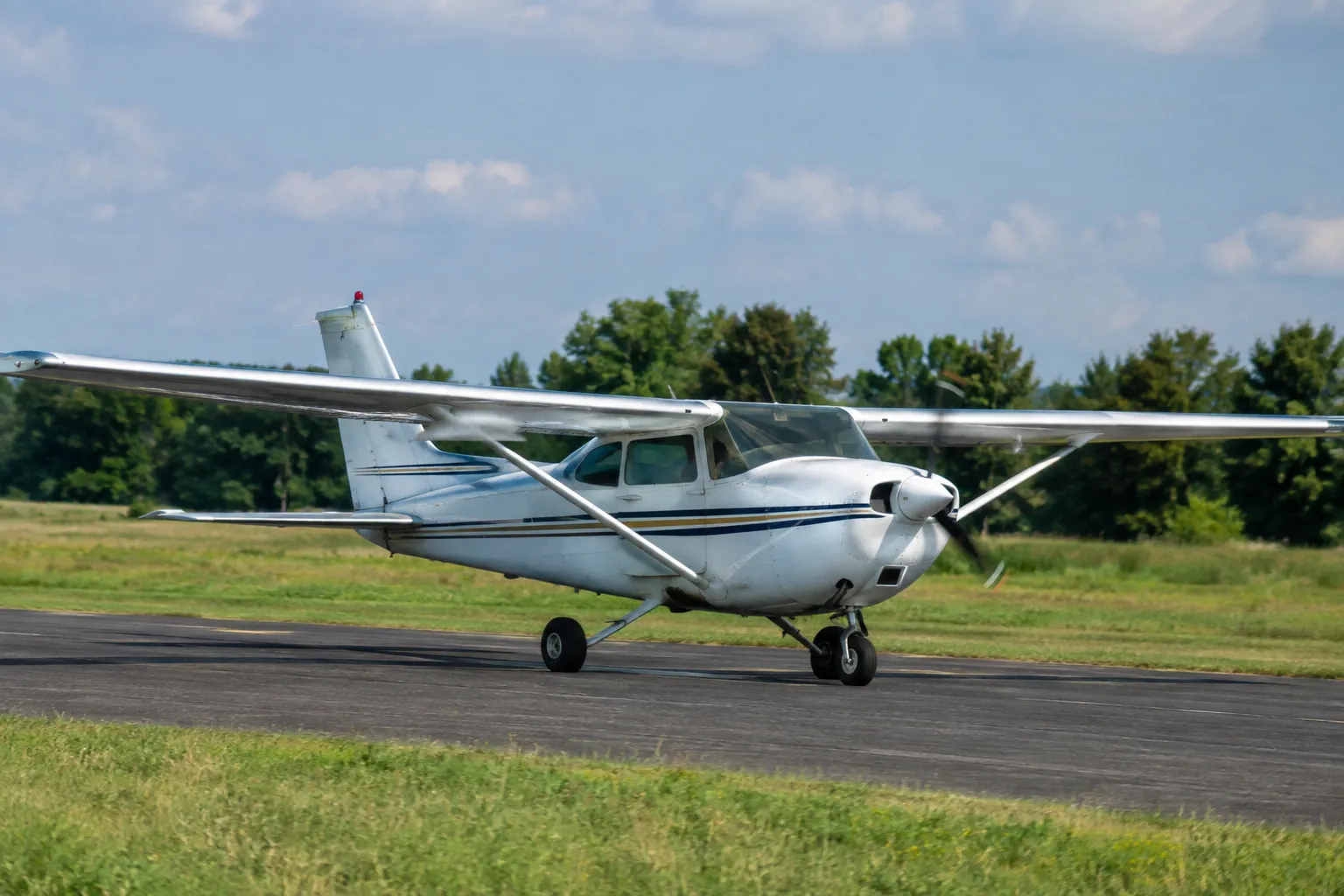
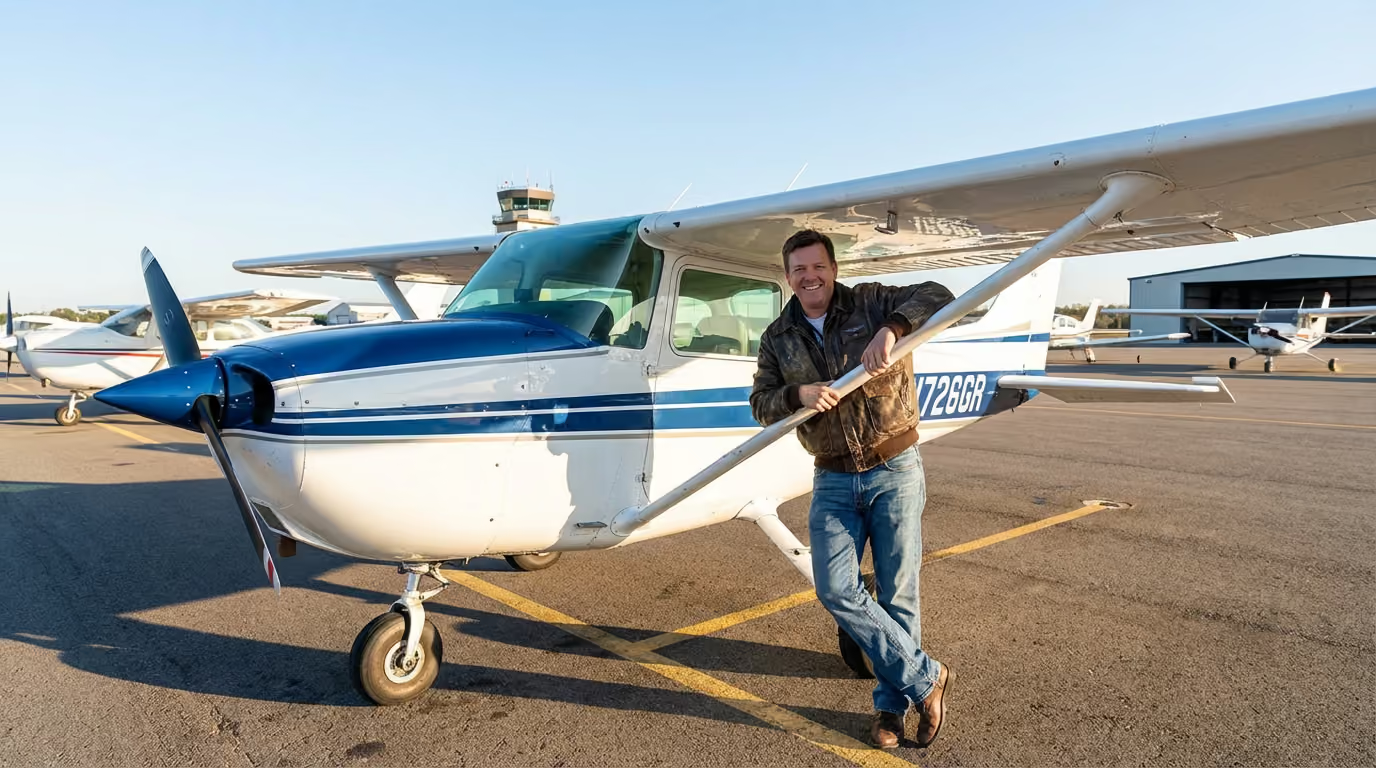
When setting your hull value, resist the temptation to underinsure. The difference in premium between insuring a Cessna 172 for $85,000 versus $110,000 may be a few hundred dollars annually. Discovering your aircraft is worth more than your policy covers after an incident is a costly lesson.
How Your Pilot Profile Shapes Coverage Decisions
Your flight hours, ratings, and currency directly affect both what you can buy and what it will cost. But they also inform what you should buy.
Pilots with fewer than 200 total hours or less than 25 hours in type face higher premiums across the board. This is not arbitrary. Insurance data consistently shows higher claim frequency in this experience range. The appropriate response is not to minimize coverage to offset the premium but to recognize that your risk exposure is genuinely higher and plan accordingly.
As you build hours, particularly in your specific make and model, your risk profile improves and your premium reflects that. An instrument rating typically reduces your premium by 10 to 15 percent because it demonstrates both skill and a safety-conscious approach to flying. Recurrent training, participation in FAA WINGS programs, and regular flight reviews all contribute to better renewal terms over time.
Currency in your specific aircraft matters as much as total hours. If you've been flying a borrowed aircraft for six months and are now returning to your owned plane, treat that transition like any other currency check. Your insurer does.
The Storage and Hangar Question
Where your aircraft lives between flights has a measurable impact on both risk and premium. Hangared aircraft are less exposed to weather events, hail damage, windstorms, and the accumulated wear that outdoor storage accelerates. Most insurers offer meaningful discounts for hangared aircraft.
If you are on a waiting list for a hangar, that is worth noting in your policy application. If hangar storage is not available in your area, ask your insurer about weather-related endorsements that can provide additional protection for tied-down aircraft.
Do not understate your storage situation. Claiming hangar storage for an aircraft that spends most of its time on the ramp is a material misrepresentation that can affect claims handling.
Understanding What Your Policy Does Not Cover
Equally important as understanding what you are buying is understanding what standard policies exclude. Common exclusions that surprise aircraft owners include:
War and terrorism exclusions are standard in most aviation policies. If your operations take you to regions with elevated geopolitical risk, specialized coverage is available but must be added separately.
Pilot warranty provisions specify exactly who is approved to fly your aircraft under the policy. If someone outside those parameters flies your plane and has an incident, you may face a coverage denial. Review your pilot warranty carefully and update it when your situation changes.
Intentional acts and illegal operations are universally excluded. Flying under the influence, deliberate property damage, or operations in direct violation of FAA regulations will void coverage.
Mechanical breakdown versus accident damage is a distinction that matters. Hull coverage addresses sudden, accidental damage. Gradual deterioration, improper maintenance, or mechanical failure that does not result from an identifiable accident event is typically not covered.
Reviewing Coverage as Your Situation Changes
Aircraft insurance is not a set-and-forget decision. Several life changes warrant a policy review.
Aircraft modifications that increase performance or add valuable avionics should trigger an immediate coverage update. Flying a significantly upgraded aircraft under a policy written for its original configuration creates a coverage gap.
Significant increases in flight hours, particularly in new categories or complex aircraft, change your risk profile and may qualify you for better rates. The same applies if you add an instrument rating or complete type-specific training.
Changes in use, moving from personal flying to limited commercial operations or adding flight instruction, require policy updates. Using your aircraft in ways not disclosed to your insurer at policy inception is a common cause of coverage complications.
How SkyWatch Approaches Coverage for Aircraft Owners
We built SkyWatch's platform specifically for general aviation pilots who own light aircraft, because the traditional insurance process was not designed with you in mind.
Getting a quote should take minutes, not days. Understanding your coverage should not require a broker's interpretation. And adjusting your policy as your flying life evolves should be straightforward.
Our mission is to remove the friction between pilots and proper protection. Whether you are insuring your first Cessna 172 or adding coverage for a more complex aircraft after years of ownership, we believe you deserve transparency about what you are buying and why it matters.
The right coverage level is the one that accurately reflects your aircraft's value, your exposure to liability, and how you actually fly. Getting that right from the start protects everything you have invested in your aircraft and your ability to keep flying.
Ready to find out what the right coverage looks like for your aircraft? click the button below and get coverage tailored to your needs.