If your ag drone goes down mid-season, the last thing you want to figure out is paperwork. Knowing how to file an ag drone insurance claim before something happens means you spend less time stressed and more time back in the field. This guide walks you through each step so nothing falls through the cracks.
What to Document Immediately After an Incident
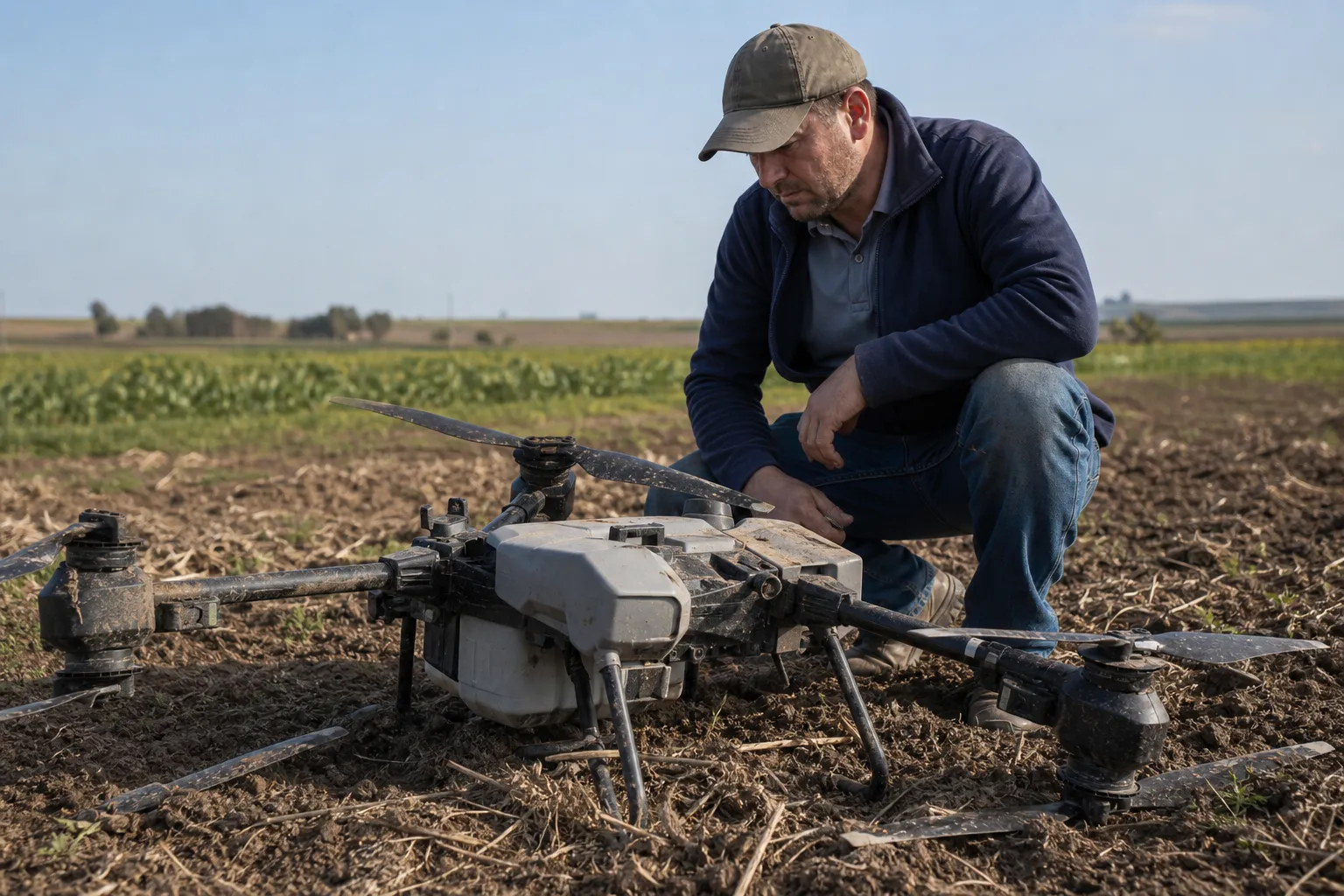
The first 30 minutes after a crash or loss matter more than most operators realize. Your memory is sharpest right now, and the evidence is still fresh. Start by taking photos and video of the drone, the surrounding area, any damaged crops or property, and anything else that might explain what happened. Don't move the aircraft before you've captured it from multiple angles.
Write down the time, GPS location, weather conditions, and what you were doing when the incident occurred. If there were witnesses, get their contact information. If your drone logs flight data, save that file immediately. Some platforms overwrite data automatically, so don't wait on this step.
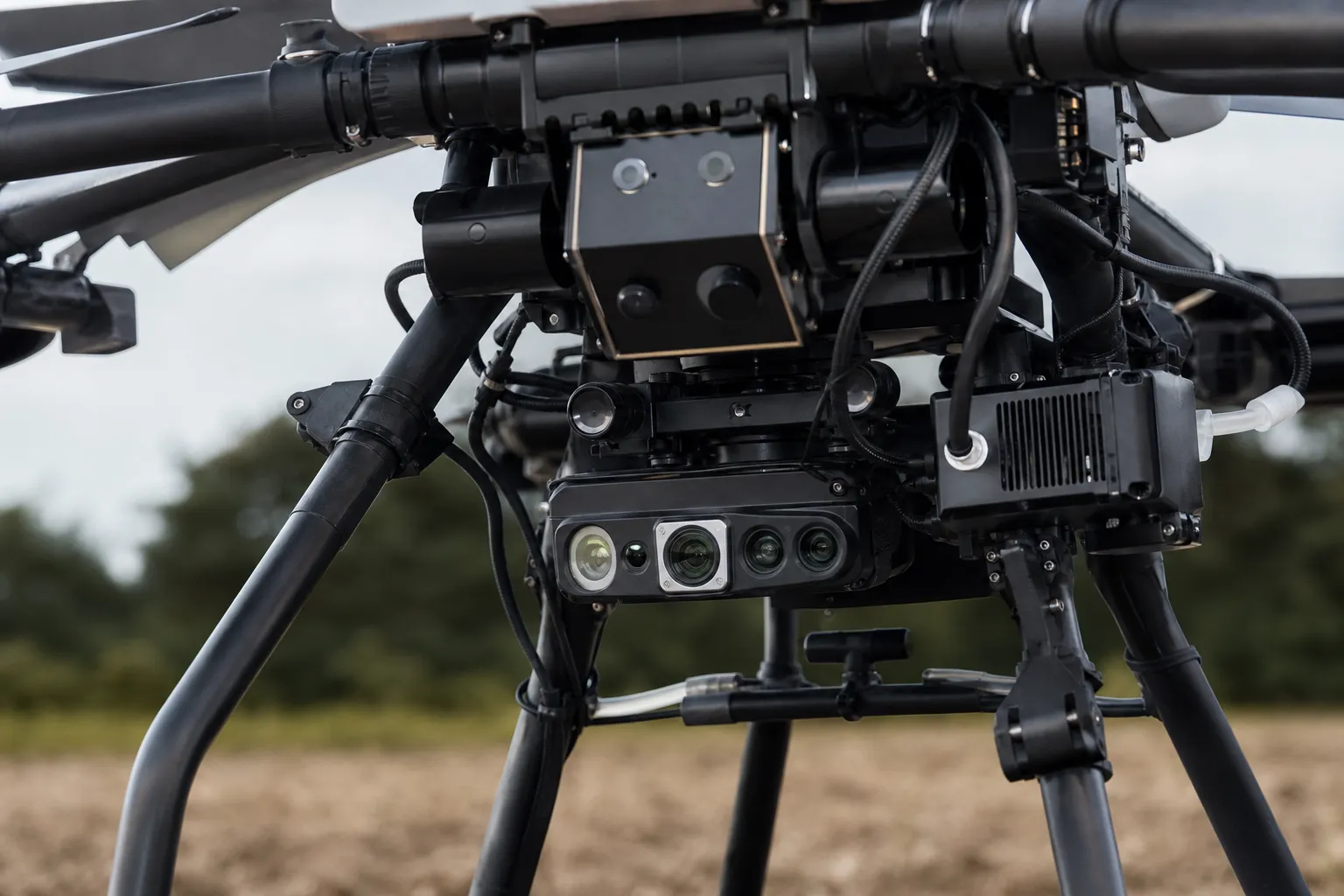
Also note what payload was on the aircraft. Spray systems, sensors, and cameras can significantly affect the value of a claim. This documentation becomes the backbone of your ag drone claims process, and the more complete it is, the smoother things go.
Once you have your documentation together, contact your insurer. At SkyWatch, we've issued more than 300,000 commercial drone insurance policies, and we've seen firsthand how a well-documented claim moves through the process far faster than one that's pieced together after the fact.
Understanding how to file an ag drone insurance claim starts with knowing your policy. Before you call anyone, pull up your coverage details. Check your hull coverage limits, your liability coverage, and whether your policy includes payload protection. Knowing this upfront helps you have a productive conversation with your claims contact instead of discovering coverage gaps mid-call.
When you're ready to file, reach out through your insurer's official claims channel. With SkyWatch, that's straightforward. We work with underwriters who specialize in ag drone operations, which means the people reviewing your claim actually understand what it means to lose a spray drone mid-application season. They know the cost implications, the timing pressures, and the operational context.
After you've submitted your initial claim, your insurer will typically assign an adjuster. Be ready to provide your documentation, your flight logs, proof of ownership, and any maintenance records for the aircraft. If a third party was involved, such as a property owner or another operator, share their information too. The agriculture drone insurance claim steps can feel like a lot at once, but if you've done your documentation in the field, most of this is just organizing what you already have.
Your adjuster may ask follow-up questions or request additional photos. Respond quickly. Delays in your response are one of the most common reasons claims take longer than they should. Keep a record of every email and every call. Note who you spoke with and what was discussed.
For a drone crash claim agriculture scenario, especially one involving property damage to fields, equipment, or structures, your liability coverage becomes just as important as your hull coverage. Make sure your adjuster knows the full scope of damage, not just what happened to your aircraft.
Once the adjuster has what they need, they'll determine the payout based on your policy terms. If you disagree with the assessment, you have the right to ask questions and, in some cases, request a second review. Our nearly perfect 5-star customer support rating exists because we take these conversations seriously. We'd rather resolve a dispute clearly than leave an operator feeling like they got shortchanged.
Knowing how to file an ag drone insurance claim properly, from the moment of impact to final settlement, protects your operation and your bottom line. It's not complicated when you follow the steps. Document first, notify your insurer fast, stay organized, and respond to requests without delay.
If you're not already covered, or if you're not sure your current agriculture drone insurance covers your specific operation, now is the right time to check. The ag drone claims process is much less stressful when you know exactly what your policy covers before something goes wrong.
Frequently Asked Questions
How long does it take to settle an ag drone insurance claim?
Most straightforward claims, such as a drone crash with clear documentation and no third-party liability, are settled within a few days to a few weeks. Complex claims involving property damage or disputed circumstances can take longer. Responding quickly to adjuster requests is the single biggest factor in speeding up the timeline.
Does ag drone insurance cover damage to crops caused by a crash?
It depends on your policy. Liability coverage typically covers third-party property damage, which can include crop damage if you're operating on someone else's land. Damage to your own crops is generally not covered under standard hull or liability policies. Check your policy terms or ask your insurer directly before assuming coverage exists.
What information do I need to file a drone crash claim for agriculture operations?
You'll need photos of the damaged drone and the incident site, your flight logs, proof of ownership, your policy number, a written description of what happened, and any third-party contact information if applicable. Payload details and maintenance records may also be requested depending on the claim type.
Is commercial drone insurance required for ag drone operations?
There's no federal law requiring ag drone insurance, but many landowners, co-ops, and agricultural service contracts require proof of liability coverage before allowing operations. Some states are beginning to introduce their own requirements as well. Beyond compliance, a single crash without coverage can easily cost more than several years of premiums.
Ready to protect your operation before the next flight? Get a quote at skywatch.ai.