If you fly aircraft you do not own, your flight school probably handed you a minimum insurance requirement at some point. You got a policy, checked the box, and showed up to fly. Most pilots stop there.
The minimum your school requires and the coverage you actually need are two different things. We hear this from student pilots, renters, and CFIs who assumed the school's policy had them covered. It rarely works the way pilots think.
What the flight school's policy doesn't cover
The school's policy protects the school and the aircraft owner. It does not protect you.
If you cause damage, the school's insurer pays the claim, then in many cases comes after you to recover the money. This is called subrogation, and it catches renters off guard more than anything else in aviation insurance. A non-owned aircraft policy sits between you and that outcome, covering physical damage to aircraft you were flying but don't own, plus your personal liability.
Why school minimums miss the mark
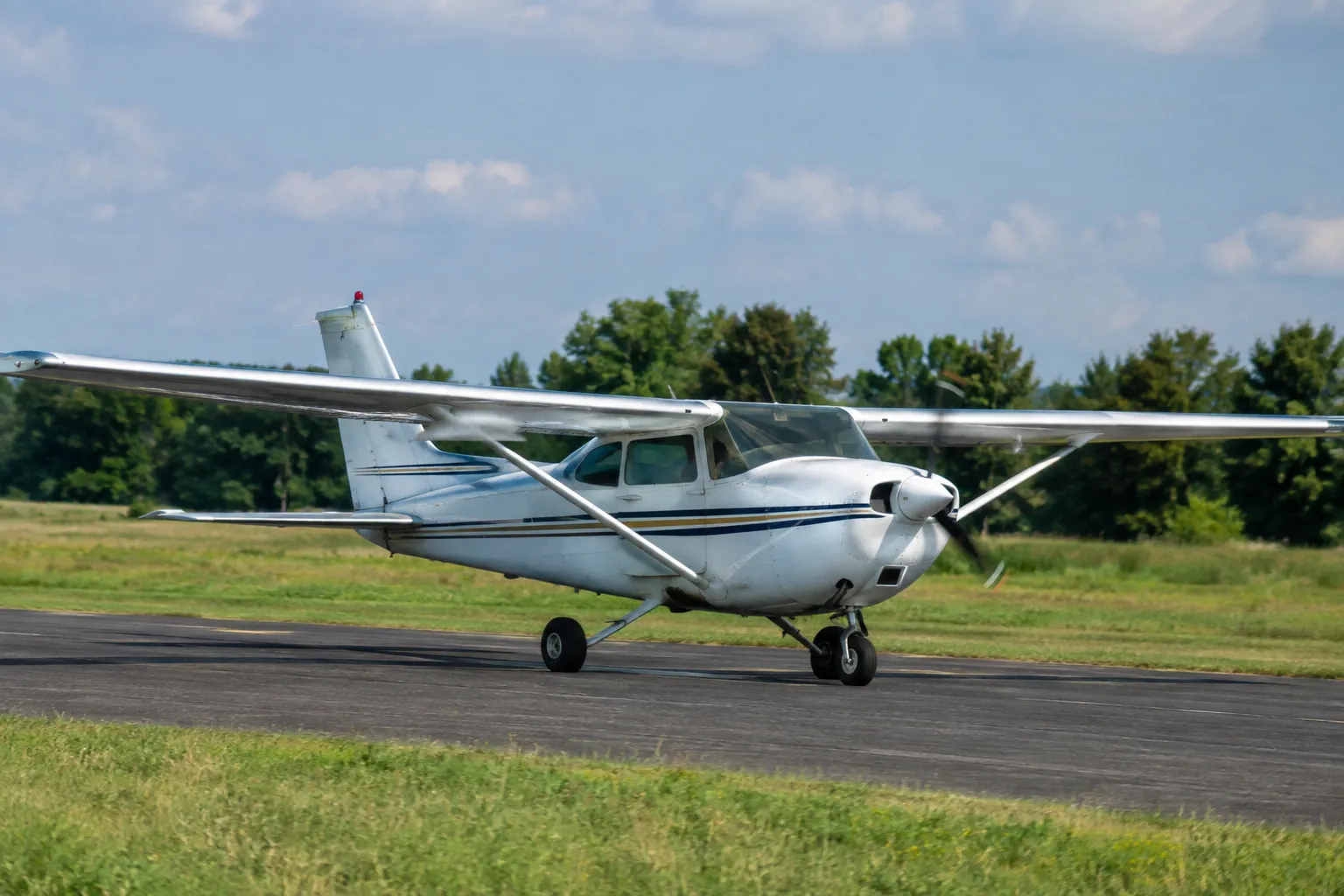
Flight schools set minimums based on their own exposure, not yours. A school requiring $25,000 in hull coverage is protecting its deductible. If you're flying a $120,000 Piper Archer and damage exceeds what you carry, the gap is yours. Check the aircraft's market value before you set your coverage number.
Liability matters too. Legal costs involving a passenger can exceed standard minimums quickly. Limits that felt fine a few years ago may not hold up today.
CFIs need more than a standard renter's policy
If you instruct in aircraft you do not own, a standard renter's policy likely does not cover you while teaching. A CFI endorsement on your non-owned policy adds professional liability for the act of instruction itself. Without it, you are personally exposed for anything that happens in the right seat. This comes up in real claims, not just theoretical scenarios.
Flexible options most pilots don't know about
SkyWatch offers aircraft renters insurance with daily, weekly, monthly, and annual coverage options. If you fly infrequently or are still in training, a monthly policy often makes more financial sense than committing to a full year.
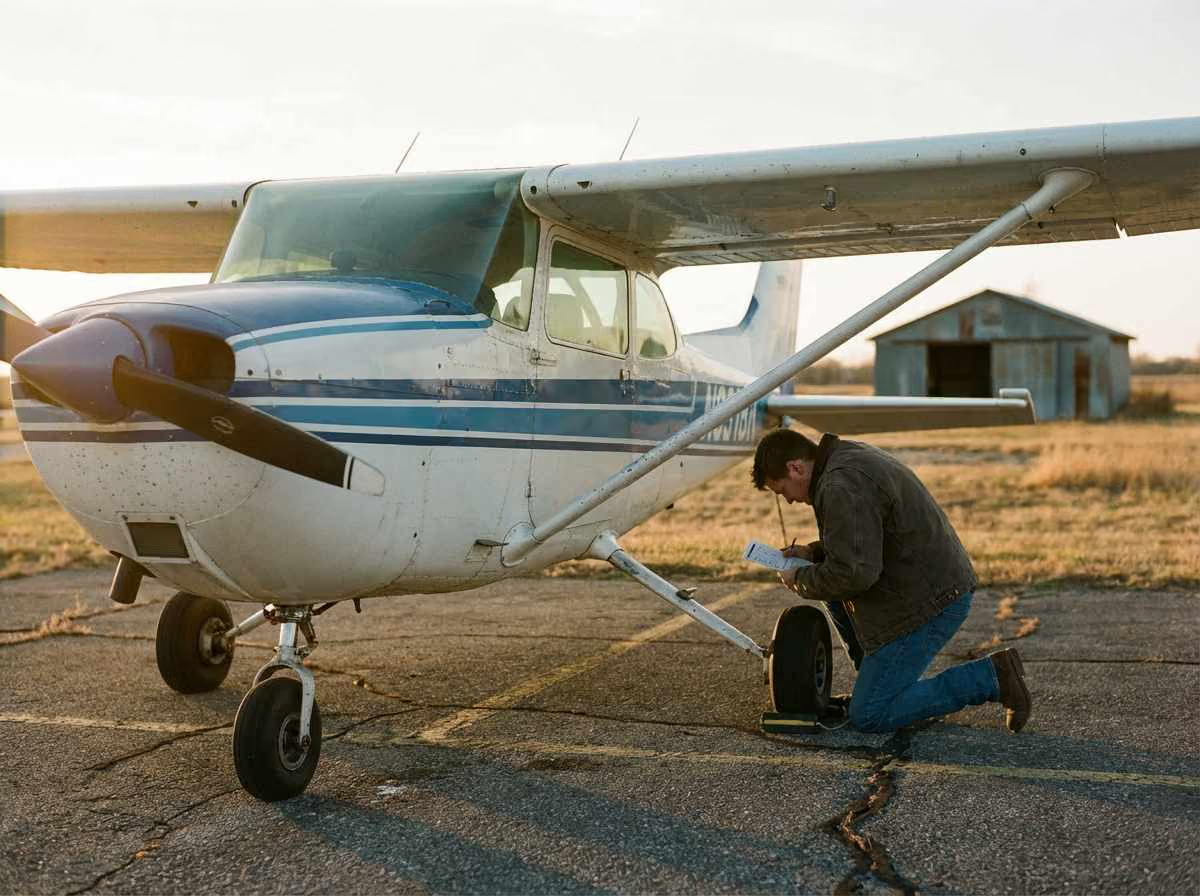
Before your next flight in a non-owned aircraft: confirm the aircraft's market value against your hull coverage, verify your policy covers that specific aircraft, and if you are a CFI, check that you have the instructor endorsement. Ask the school whether their policy waives subrogation against approved pilots. Most do not. Get a quote at skywatch.ai before you fly.
Frequently asked questions
Does the flight school's insurance cover me if I damage the aircraft?
No. The school's policy covers the school and aircraft owner. Their insurer can pursue you through subrogation. Your own non-owned policy is what protects you.
What is subrogation and why should renters care?
Subrogation gives an insurer the right to recover costs from the person who caused the loss. If the school's insurer pays a damage claim you caused, they can come after you for reimbursement. Hull coverage on a non-owned policy handles this on your behalf.
Do student pilots need non-owned insurance before solo?
Many flight schools require it. Beyond that requirement, if you damage an aircraft during solo training, you can be held personally liable. Your school's minimum may not be enough depending on the aircraft's value.
I'm a CFI who teaches in aircraft I don't own. Is a standard renter's policy enough?
Not on its own. A standard non-owned policy covers you as a pilot but typically does not extend to the act of instruction. A CFI endorsement adds the professional liability coverage you need during lessons.
What non-owned aircraft insurance does SkyWatch offer?
SkyWatch offers non-owned aircraft insurance with daily, weekly, monthly, and annual coverage. You can choose liability only, hull coverage, or both, for student pilots, certificated pilots, and CFIs. Visit skywatch.ai to get a quote.