Why Commercial Drone Insurance Isn't Optional
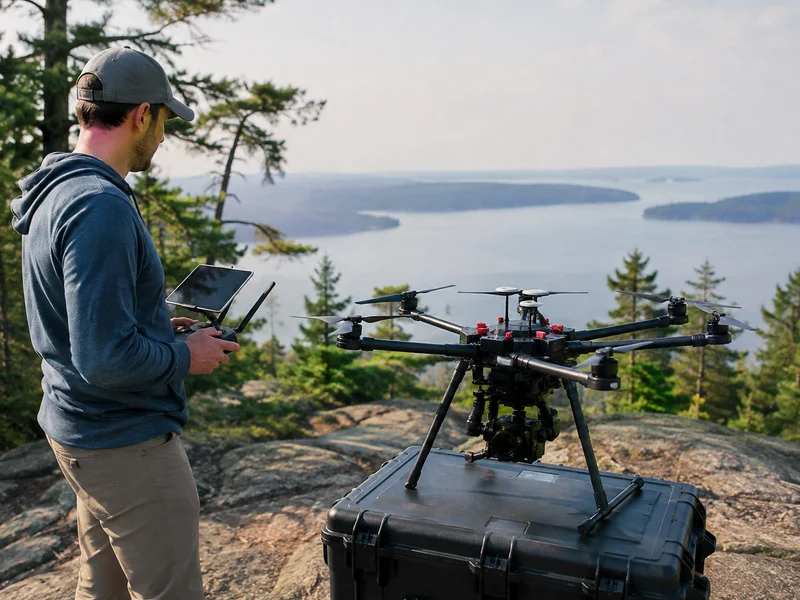
You've passed your Part 107 exam, invested in quality equipment, and you're ready to start your commercial drone business. But before you accept that first paying client, there's one critical piece of the puzzle that many new pilots overlook: commercial drone insurance.
Unlike hobbyist flying, operating a drone commercially introduces significant liability exposure that your homeowner's insurance policy won't cover. Professional clients expect and require proof of insurance before you fly, and one incident without coverage could cost you everything you've worked for.
The Real Risks Commercial Drone Pilots Face
Commercial drone operations involve risks that go beyond equipment damage:
- Third-Party Property Damage: Your drone could crash into a building, vehicle, or other property during a commercial shoot
- Bodily Injury: An accident could injure clients, bystanders, or property owners
- Equipment Loss: Theft, weather damage, or crashes can destroy thousands of dollars in equipment
- Legal Defense Costs: Even frivolous lawsuits can cost $100,000+ to defend
These aren't theoretical risks. The commercial drone insurance industry exists because these incidents happen regularly to professional pilots.
What Commercial Clients Actually Require
Professional clients don't just recommend insurance—they require it. Here's what you'll typically need:
- $1-2 Million General Liability Coverage: Most Fortune 500 companies, real estate firms, and construction clients require minimum $1M coverage, with many requesting $2M
- Certificate of Insurance (COI): Clients need proof of coverage before you fly. You should be able to generate this quickly
- Additional Insured Status: Many clients require being named as additional insureds on your policy
- Hull Coverage: Some contracts require proof that your equipment is insured
Without meeting these requirements, you'll lose contracts to insured competitors. It's that simple.
Understanding Commercial Drone Insurance Coverage
Commercial drone insurance typically includes several types of coverage:
Liability Coverage
Protects you against claims for property damage or bodily injury caused by your drone operations. This is the minimum coverage most commercial pilots need.
Hull Coverage (Physical Damage)
Covers repair or replacement of your drone and equipment if damaged, stolen, or destroyed. Critical if you've invested in expensive equipment.
Personal Injury Coverage
Protects against claims of invasion of privacy, defamation, or other personal injury claims that can arise from aerial photography.
Medical Payments
Covers medical expenses if someone is injured during your operations, regardless of fault.
Cost Considerations for New Commercial Pilots
Insurance costs vary based on several factors:
- Coverage Limits: Higher limits mean higher premiums
- Equipment Value: More expensive equipment costs more to insure
- Flight Frequency: How often you fly commercially affects pricing
- Type of Operations: Higher-risk operations (like flying near people or property) cost more
- Claims History: Your record affects your rates
For most new Part 107 pilots, liability coverage starts around $750-1,500 annually for $1M coverage. Hull coverage adds to this based on equipment value.
The key is finding coverage that matches how you actually operate. If you only fly occasionally, paying for annual coverage doesn't make sense. If you fly frequently, annual policies offer better value.
SkyWatch's Approach to Commercial Drone Insurance
SkyWatch was built specifically for commercial drone pilots who need flexible, comprehensive coverage. Our platform lets you:
- Get Coverage When You Need It: Purchase coverage by the day, month, or year based on your actual flying schedule
- Generate COIs Instantly: Create certificates of insurance immediately when clients request them
- Scale Coverage as You Grow: Start with basic coverage and increase limits as your business expands
- Bundle Liability and Hull: Protect both your business and your equipment in one policy
Our policies are designed for the realities of commercial drone operations—flexible coverage that fits how Part 107 pilots actually work.
Next Steps for New Commercial Pilots
Before you accept your first paying client:
- Assess Your Coverage Needs: Review typical client requirements in your niche
- Get Multiple Quotes: Compare coverage options and pricing
- Understand Policy Terms: Know what's covered and what's excluded
- Set Up Quick COI Generation: Ensure you can provide proof of insurance quickly
- Factor Insurance Into Pricing: Include coverage costs in your commercial rates
Commercial drone insurance isn't just a requirement—it's protection for the business you're building. One incident without coverage could end your commercial drone career before it starts.
Ready to protect your commercial drone operations? Get a quote from SkyWatch and start your commercial drone business with the right coverage.