
You've found a new FBO with better rates, more available aircraft, or convenient location. But before you sign the rental agreement and take off, there's a checkout process every renter pilot should complete. This isn't just about satisfying the FBO's requirements. It's about protecting yourself, understanding the operation, and ensuring your insurance coverage applies.
At SkyWatch, we insure thousands of renter pilots across hundreds of FBOs and flight schools. We've seen what happens when pilots skip proper checkout procedures, and we've learned what separates safe, confident renters from those who end up filing claims or facing coverage questions.
Why FBO Checkouts Matter More Than You Think
Every FBO operates differently. Aircraft maintenance standards vary. Rental policies differ. Even the same make and model aircraft can have unique avionics configurations or operational quirks.
A thorough checkout protects you in three critical ways. First, it verifies the FBO maintains airworthy aircraft and follows proper procedures. Second, it ensures you understand this specific operation's policies, which can affect your insurance coverage. Third, it gives you confidence that you're renting from a professional operation that takes safety seriously.
Your non-owned aircraft insurance assumes you're operating from legitimate, properly maintained facilities. Flying from operations that cut corners on maintenance or documentation can void coverage when you need it most.
Document Review Before You Ever Touch an Aircraft
Start your checkout in the office, not on the ramp. Ask to review the aircraft maintenance logs for any plane you're considering renting. You're looking for currency on required inspections: annual inspection within 12 months, 100-hour inspection current for rental operations, and transponder/pitot-static checks within 24 months.
Check for open squawks or deferred maintenance items. A few minor items on the deferred maintenance list isn't unusual, but extensive deferred maintenance suggests an operation that's cutting corners. If you see multiple pages of deferred items, that's a red flag.
Review the FBO's insurance requirements. What liability limits do they require? What's their hull deductible? Do they require renters insurance or does their policy cover pilot liability? Understanding these details before you fly prevents surprises if something goes wrong.
Ask about their cancellation and refund policies. Weather happens, maintenance grounds aircraft, and life gets in the way. Knowing the policies upfront prevents disputes later.
The Operational Standards Conversation
Every FBO has operational standards, but not all communicate them clearly. Before your checkout flight, have a detailed conversation about their specific policies.
What are their fuel requirements? Some FBOs require full tanks on return, others have minimum fuel policies. What about cross-country minimums? Many operations require specific weather minimums or pilot experience levels for flights beyond a certain radius.
Ask about maintenance squawk procedures. How do you report issues? What happens if you discover a problem during preflight? Who decides if the aircraft is airworthy enough to fly back versus calling for maintenance where you are?
Clarify their policies on passengers, flight instruction if you're a CFI, and any geographic or operational restrictions. Some FBOs prohibit certain airports or airspace. Others restrict grass strips or unimproved fields. These limitations affect where you can fly.
Aircraft-Specific Familiarization
Even if you're experienced in the aircraft type, every plane is different. During your checkout, go beyond the basic systems review.
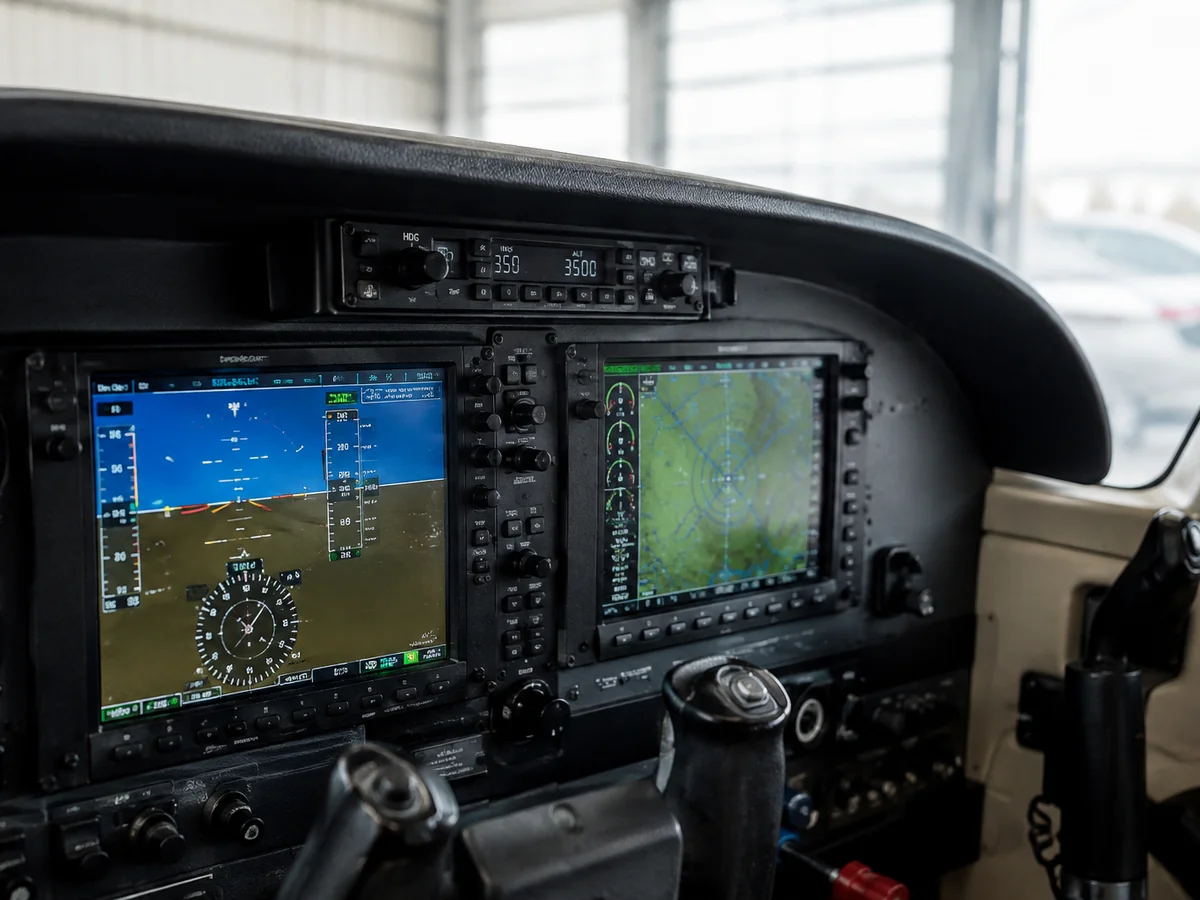
Understand this specific aircraft's avionics configuration. Is the GPS database current? How does the autopilot engage? What about the audio panel - is it the same as what you're used to? These details matter when you're trying to navigate unfamiliar airspace or deal with an unexpected situation.
Learn this aircraft's quirks. Does the engine run hot? Is there a trick to getting the fuel selector into the proper position? Does one brake pull harder than the other? The checkout pilot can share these details that aren't in the POH but make your flight smoother and safer.
Review emergency procedures specific to this aircraft and operation. Where's the fire extinguisher? How do you operate the emergency exit? What's the procedure if you have an issue and need to land at an unplanned airport?
The Checkout Flight: What You Should Evaluate
Your checkout flight isn't just about demonstrating you can fly. It's also your opportunity to evaluate the aircraft and the operation.
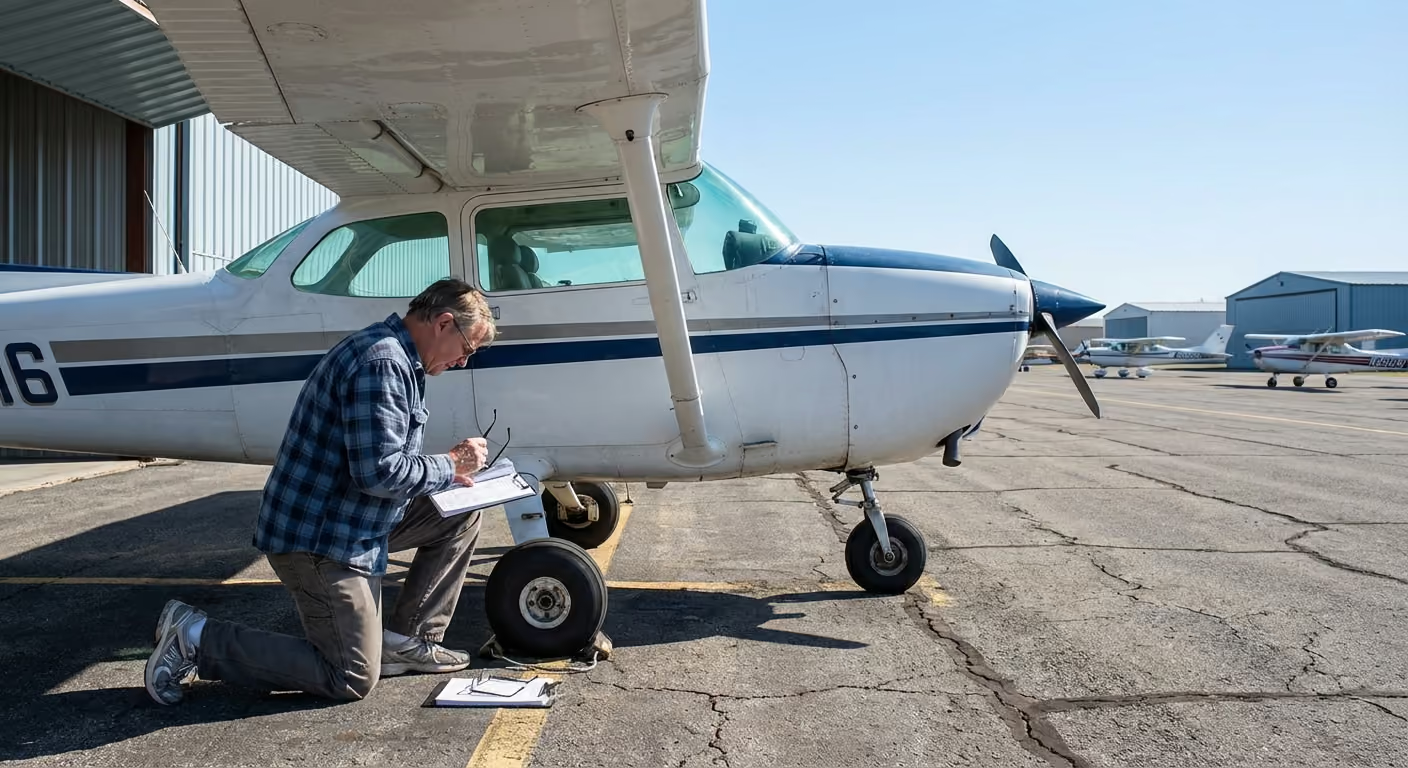
Pay attention during the preflight. Is the aircraft clean and well-maintained? Are the tires in good shape? Is there excessive oil usage or leaks? These observations tell you about the FBO's maintenance standards.
During the flight, assess how the aircraft performs. Does everything work as advertised? Are there unresolved issues the checkout pilot mentions casually that should have been fixed? Trust your instincts. If something doesn't feel right, ask questions.
Evaluate the checkout pilot's professionalism. Do they take safety seriously? Do they rush through procedures or take time to explain things thoroughly? The checkout pilot represents the operation's culture. If they're sloppy or dismissive, that's what you can expect from the organization.
Insurance Verification You Can't Skip
Before your first solo rental, confirm your non-owned aircraft insurance covers operations at this specific FBO and in the aircraft you'll be flying.
Check that your policy's aircraft category matches what you're renting. Your coverage for single-engine land aircraft doesn't automatically extend to multi-engine or complex aircraft. If you're stepping up to something different, call your insurance provider first.
Verify your policy limits meet or exceed the FBO's requirements. Most operations want to see minimum liability coverage, and many require specific hull coverage amounts. SkyWatch makes this easy - we provide instant certificates of insurance that you can generate yourself whenever needed.
Understand how your deductible works with the FBO's policies. If you have a $2,500 deductible and the FBO has a $5,000 deductible, you need to know who pays what if something happens. These conversations happen before accidents, not after.
Red Flags That Should Make You Walk Away
Not every FBO deserves your business. Some warning signs indicate operations you should avoid, regardless of how good their rates look.
If the FBO resists showing you maintenance logs or gets defensive about their procedures, that's a major red flag. Professional operations welcome informed renters who ask good questions.
Aircraft that consistently have squawks or maintenance issues that aren't being addressed properly suggest an operation that's cutting corners on safety. One minor issue is normal. Multiple aircraft with multiple ongoing problems indicates systematic issues.
Checkout pilots who skip procedures, don't thoroughly review systems, or seem rushed suggest an operation that prioritizes revenue over safety. Your checkout is part of the service you're paying for. If they're not willing to invest time in doing it properly, they're not the right operation for you.
FBOs that can't provide clear answers about their insurance or rental policies are either disorganized or deliberately vague. Either way, you don't want to discover their coverage gaps after an incident.
Building a Relationship with Your New FBO
Once you've completed a proper checkout and decided this FBO meets your standards, invest in building a good relationship with the operation.
Treat the aircraft with respect. Report squawks promptly and thoroughly. Return planes clean and on time. These basics build goodwill that matters when you need schedule flexibility or special accommodations.
Communicate openly about your experience level and comfort zones. Good FBOs appreciate pilots who fly within their capabilities and ask for additional instruction when needed. There's no shame in requesting extra familiarization or asking for help with new procedures.
Stay current with your insurance documentation. Keep your certificates of insurance updated and readily available. Make it easy for the FBO to confirm you're properly covered.
The Foundation of Safe Renting
Thorough FBO checkouts aren't bureaucracy. They're the foundation of safe, confident rental flying. Taking time to verify maintenance standards, understand operational procedures, and assess the organization's professionalism protects you in ways that extend far beyond the checkout flight itself.
Your time as a renter pilot should be focused on the joy of flying, not worrying about whether the aircraft is properly maintained or the FBO follows proper procedures. A comprehensive checkout process identifies these concerns before they become problems.
At SkyWatch, we've designed our non-owned aircraft insurance specifically for renter pilots who take safety seriously. We know that pilots who invest time in proper checkouts and choose quality operations have better experiences and fewer claims. That's the kind of pilot we're proud to insure.
Every new FBO is an opportunity to expand your flying options and experience. Approach each checkout as a chance to learn, evaluate, and make informed decisions about where and how you rent. Your safety, your insurance coverage, and your flying enjoyment all depend on starting with a solid foundation.