You've passed your checkride, logged your hours, and completed the FBO checkout in a new aircraft. You're cleared to rent and ready to fly. But there's one critical question most pilots don't ask: what happens if something goes wrong?
At SkyWatch, we work with thousands of pilots across the country, and we've seen firsthand how misunderstandings about rental aircraft coverage create serious financial exposure. Our mission has always been to make aviation insurance accessible and transparent, because every pilot deserves to fly with confidence and protection.
The Checkout Covers Proficiency, Not Protection
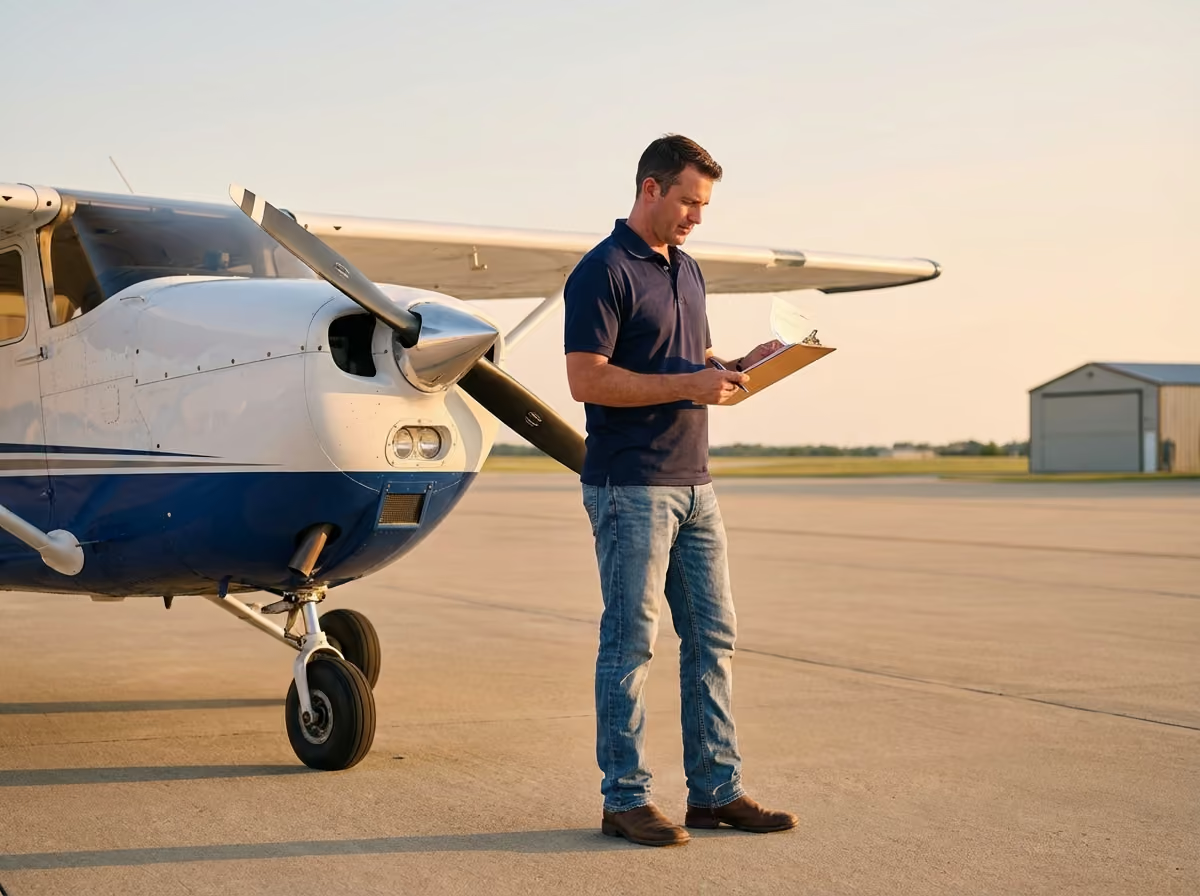
Your FBO checkout demonstrates you can safely operate a specific aircraft. It validates your skills, confirms you understand the systems, and ensures you meet the facility's standards. What it doesn't do is protect you from financial liability if an accident occurs.
Most rental agreements include a liability waiver that shifts financial responsibility to you as the pilot in command. The FBO's hull insurance covers the aircraft itself, but damage deductibles, liability claims, and subrogation can leave you facing thousands or even millions in unexpected costs.
What FBO Insurance Actually Covers
Fixed Base Operators carry hull insurance on their aircraft fleet, but this coverage primarily protects the business, not you. When you sign that rental agreement, you're typically accepting:
Physical damage deductibles ranging from $1,000 to $10,000 or more per incident. The FBO's insurance pays for repairs, but you're responsible for that deductible amount.
Liability exposure for property damage and bodily injury claims. If something happens during your flight, the FBO's liability coverage may be primary, but their insurer can pursue subrogation against you to recover costs.
Limited or no coverage for certain scenarios like gear-up landings, fuel contamination, or off-airport incidents. Many FBO policies include specific exclusions that leave pilots financially exposed.
Why Non-Owned Aircraft Insurance Is Essential
Personal non-owned aircraft insurance fills the gaps left by FBO coverage. At SkyWatch, we designed our renters insurance specifically for these situations, providing:
Physical Damage Coverage: Protection against deductibles and subrogation claims when you damage a rented aircraft. This covers the amount you'd otherwise pay out of pocket to the FBO.
Liability Protection: Coverage for bodily injury and property damage claims arising from your operation of the aircraft, protecting your personal assets if you're sued after an accident.
Medical Payments: Immediate coverage for medical expenses for you and your passengers, regardless of fault.
Legal Defense: Full coverage for legal representation if you face a lawsuit following an aviation incident.
Coverage That Fits Your Flying Schedule
We understand that not every pilot rents aircraft weekly. That's why SkyWatch offers flexible non-owned aircraft insurance you can purchase by the day, week, month, or year. You only pay for coverage when you're actually flying, making protection affordable for occasional renters and frequent flyers alike.
Our policies are instant, available online 24/7, and require no long-term commitments. Whether you're planning a weekend trip or renting regularly for proficiency, you can get covered in minutes through our digital platform.
Making the Right Coverage Decision
Before your next rental flight, review your FBO agreement carefully. Look for language about deductibles, subrogation, and liability limits. Then ask yourself: can I afford the worst-case financial scenario?
Protection isn't about doubt in your abilities as a pilot. It's about recognizing that aviation involves inherent risks, and responsible flying includes responsible financial planning. Your checkout confirms you can fly the aircraft safely. Insurance ensures a mistake doesn't cost you everything.
At SkyWatch, we're committed to removing barriers to aviation and helping pilots fly with confidence. That starts with understanding the real difference between proficiency and protection, and ensuring you have both before you take off.