
You passed your checkride, got your medical, and logged your hours. Now you own an aircraft. The one thing most new owners underestimate is how much complexity sits inside an aircraft insurance policy, and what happens when something goes wrong and you find out your coverage had gaps you did not know about.
This guide breaks down what aircraft insurance actually covers, how the main policy components work, and what factors affect your premiums as a U.S. general aviation pilot.
The two main coverage types
Nearly every aircraft owner policy in the U.S. is built around two core components: hull coverage and liability coverage. They serve completely different purposes, and you need to understand both.
Hull coverage
Hull coverage pays for physical damage to your aircraft. Most policies split this into two situations.
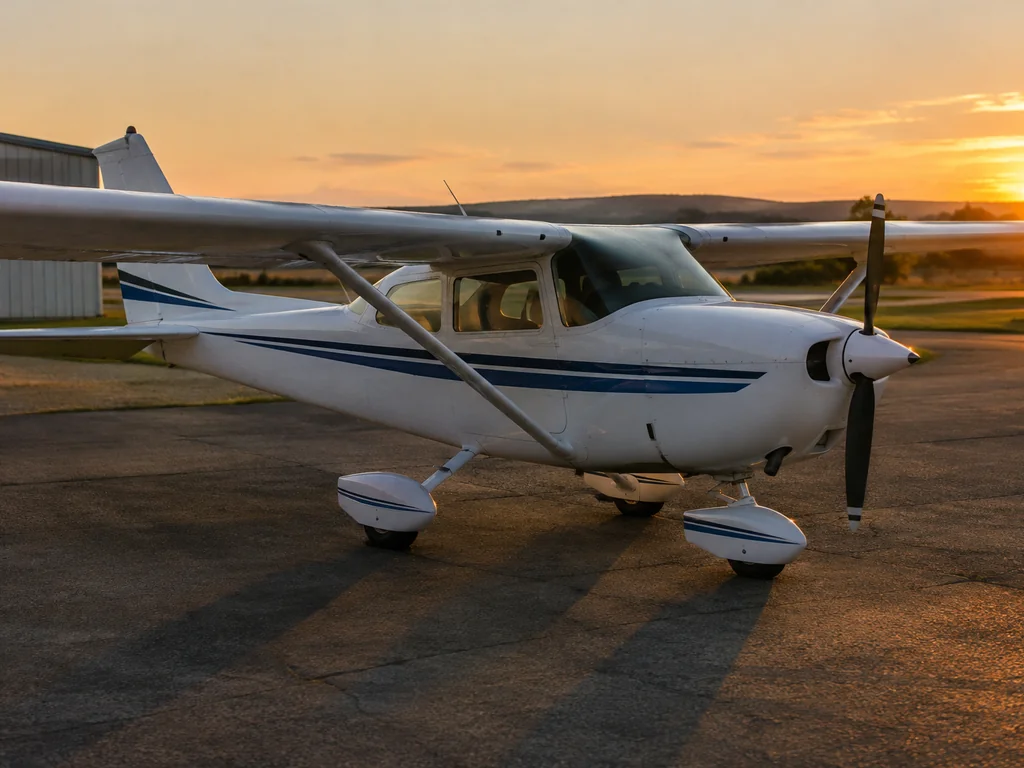
In-motion coverage applies when the aircraft is moving under its own power, including taxi, takeoff, flight, and landing. If you ground-loop a Cessna on a crosswind landing or clip a taxiway light, in-motion hull coverage is what responds.
Not-in-motion coverage applies when the aircraft is parked, tied down, or hangared. A hailstorm, flooding, a ramp vehicle clipping your tail, or a hangar roof collapse all fall under this. Some pilots buy not-in-motion coverage only as a cost-saving measure, which leaves them exposed every time they fly.
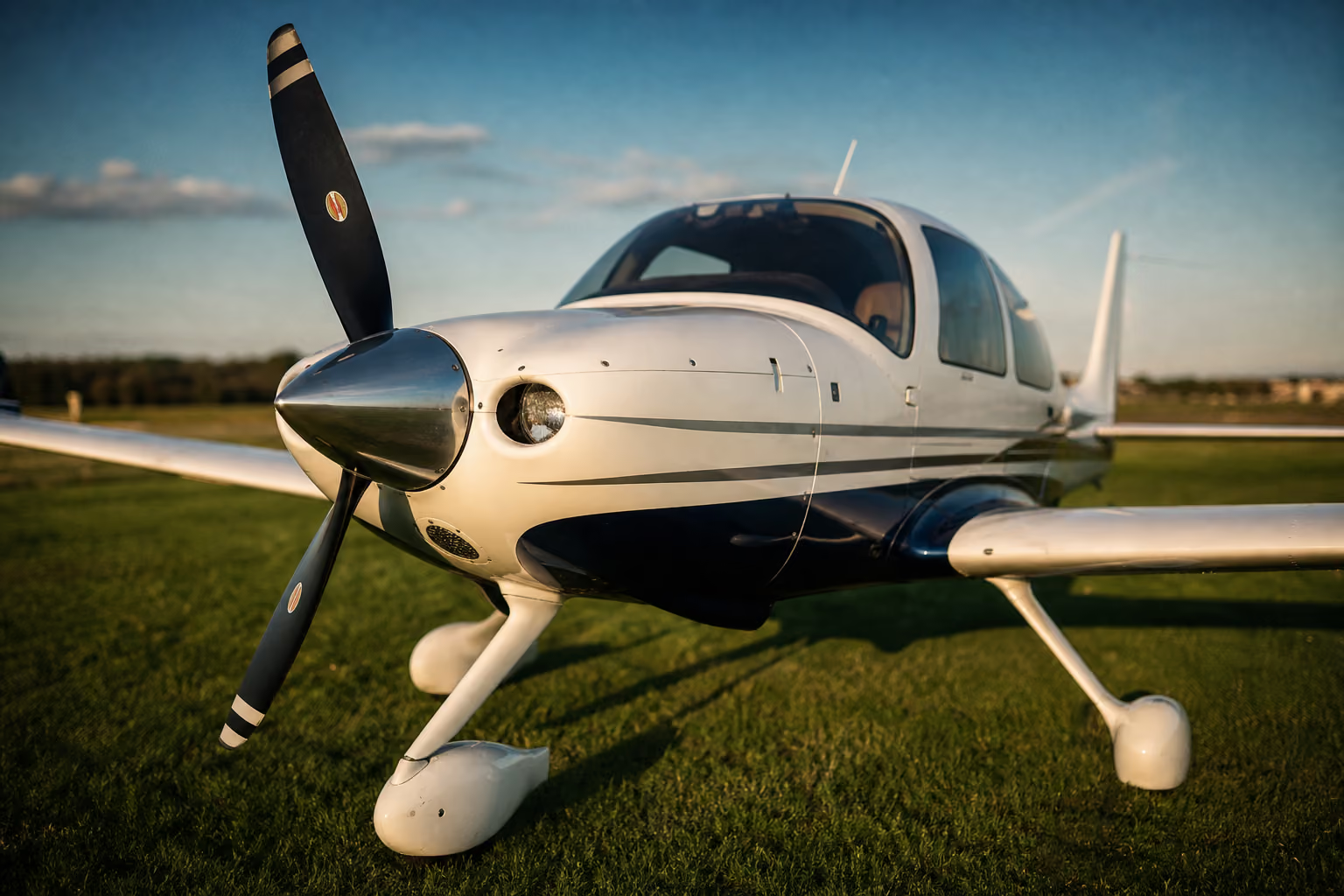
Hull policies typically pay on an agreed-value basis, meaning the insured value is set at policy inception. If your Cirrus SR22 is insured for $420,000 and it is totaled, you receive $420,000 with no depreciation argument. This is different from actual cash value policies, which are less common in aviation but worth confirming when you shop.
Liability coverage
Liability is the part of your policy that protects you when your aircraft causes injury or property damage to someone else. It covers third-party bodily injury, passenger bodily injury, and property damage.
Most general aviation policies are written with a single combined liability limit, such as $1,000,000. Some include a per-person sub-limit for passenger injury, such as $100,000 per passenger, which can matter if you carry passengers regularly.
If you fly single-engine aircraft as a private pilot, $1,000,000 is often considered the minimum. Flying a high-performance or multi-engine aircraft near populated areas typically warrants higher limits. Aviation liability claims can reach into the millions quickly.
Medical payments
Many aircraft policies include a medical payments provision, sometimes called med pay. This covers reasonable medical expenses for occupants injured in an accident, regardless of fault. Limits typically range from $1,000 to $25,000 per person and can help cover immediate costs without waiting for a liability claim to resolve.
Named pilot provisions and open pilot warranties
Your policy specifies who is covered to fly the aircraft. There are two main approaches.
Named pilot policy: Only the specific pilots listed on the policy are covered. Anyone else flying the aircraft is not. This is common for owners who fly solo or with a small group of known pilots.
Open pilot warranty: Any pilot who meets the minimum qualifications stated in the policy is covered. Qualification minimums typically include a minimum total time, make-and-model time, and a current medical and rating. Open pilot warranties give flexibility, but you need to confirm that any pilot who flies your aircraft actually meets those standards.
If you let someone fly your plane and they do not meet the policy pilot qualifications, the insurance company can deny the claim.
What affects your premium
Pilot experience: Total flight time matters, but make-and-model time in the specific aircraft matters more to underwriters. Transitioning to high-performance or complex aircraft without logged time in type will almost always mean higher premiums and possible training requirements.
Aircraft value and type: Higher hull values mean higher premiums. Retractable gear, turbocharged engines, and higher cruise speeds increase risk. Vintage aircraft can be tricky to insure because replacement parts are expensive and repairs take longer.
Intended use: Pleasure and business use is the most common classification for aviation insurance policies on privately owned aircraft. Adding instruction or rental use typically requires a separate endorsement or a commercial policy.
Claims history: Prior incidents, violations, or certificate actions show up in background checks. A single incident a few years back may not be disqualifying, but it will affect your rate.
What aircraft insurance typically does not cover
Standard aircraft policies generally do not cover wear and tear, mechanical breakdown, or engine failure unrelated to an accident. They also exclude damage from war or government seizure, intentional acts, flights that violate the FARs, and cargo losses unless specifically endorsed.
If you plan to fly to the Bahamas, Caribbean, or Mexico, verify that your policy covers those territories or ask your broker about a trip endorsement.
Aircraft renters and non-owned coverage
If you rent aircraft from a flight school or FBO, the school's policy covers the aircraft itself but usually does not cover your personal liability. Aircraft renters insurance fills that gap, covering your liability exposure as a renter pilot. It is affordable and straightforward to obtain.
Non-owned aircraft coverage works similarly for pilots who regularly fly aircraft they do not own. If you fly aircraft you do not own, check whether a non-owned policy makes sense for your situation.
How to get an aircraft insurance quote
Most aircraft owners work through an aviation insurance broker who shops your application to multiple underwriters. SkyWatch makes the process faster. You can get an aircraft insurance quote online in minutes, with coverage options built around your specific aircraft, pilot experience, and use.
The bottom line
Aircraft insurance is not a commodity you pick based on price alone. The difference between a policy that works and one that does not often comes down to pilot qualifications, use definitions, and coverage limits that most owners skim over at purchase. Read the policy. Understand your hull value basis. Know who is covered to fly your aircraft and under what conditions.
If you have questions, SkyWatch has aviation insurance specialists who work with general aviation pilots daily.