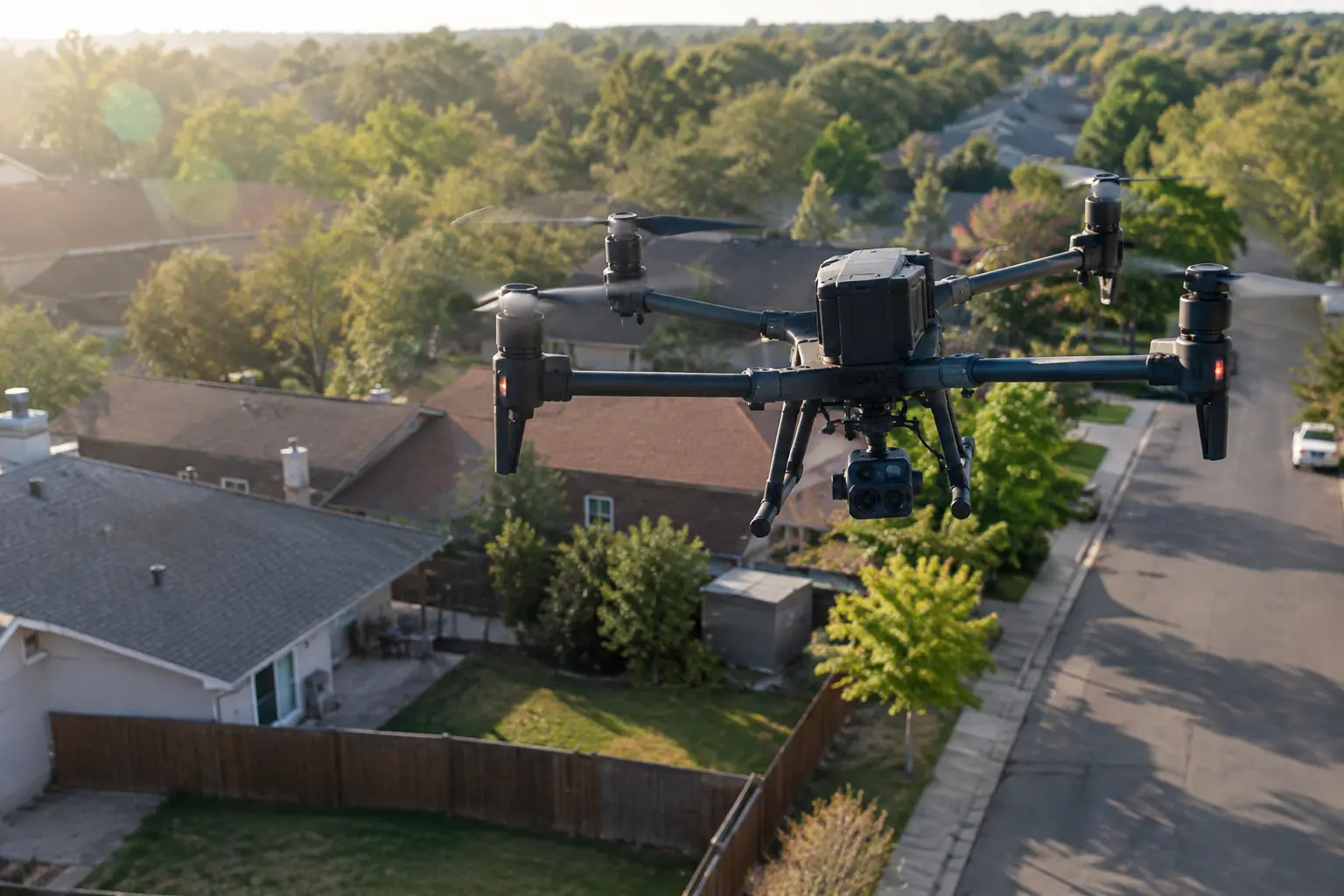
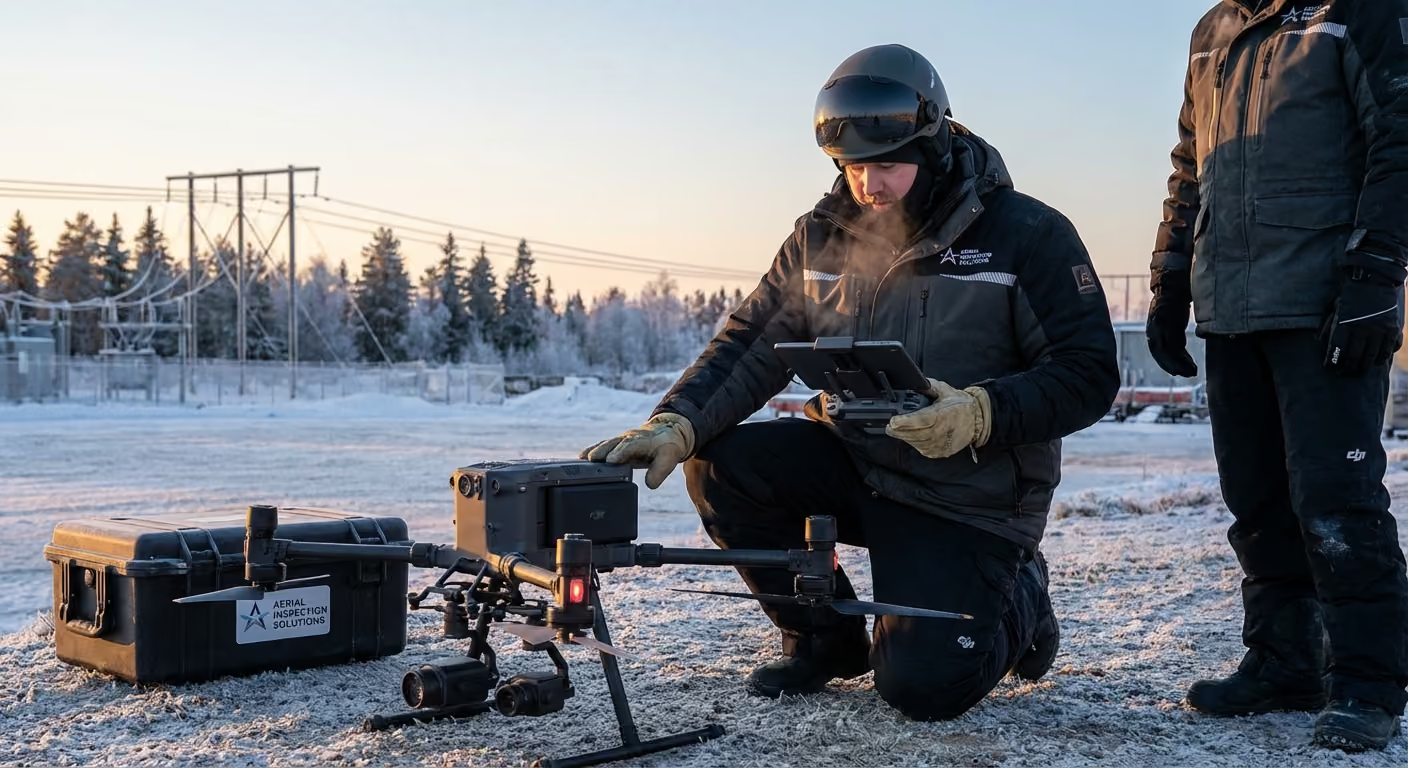
Cold weather operations require extra vigilance. Here's what commercial drone pilots need to know to operate safely and maintain insurance coverage during winter months.
Why Winter Operations Demand Extra Attention
When temperatures drop, commercial drone operations face challenges that simply don't exist during warmer months. Batteries drain faster, sensors can malfunction, and materials contract in ways that affect flight performance. For commercial operators, these aren't just technical issues. They directly impact your ability to complete jobs safely and maintain your insurance coverage.
At SkyWatch, we've analyzed data from thousands of winter flights across North America. The patterns are clear: pilots who follow systematic cold-weather protocols have significantly fewer incidents and insurance claims during winter operations.
1. Battery Temperature Management
Lithium polymer batteries lose capacity rapidly in cold weather. At 32°F (0°C), you can expect to lose 20-30% of your normal flight time. Below freezing, battery performance degrades even faster.
Before every winter flight:
- Store batteries at room temperature until just before flight
- Use battery warmers or heating pads during transport
- Never launch with cold batteries (below 60°F / 15°C internal temperature)
- Plan for 30-40% shorter flight times than normal
- Land immediately if you see voltage sag warnings earlier than expected
Many commercial operators keep batteries in insulated cases with chemical heat packs. The investment is minimal compared to the cost of a battery-related incident.
2. Motor and Propeller Inspection
Cold weather affects moving parts differently than electronics. Motors can be sluggish during startup, and propellers become more brittle.
Check these items in cold conditions:
- Manually spin each motor to ensure smooth rotation
- Inspect propellers for any hairline cracks (cold makes plastic brittle)
- Listen for unusual sounds during motor startup
- Replace any propellers that have been used in sub-freezing temperatures for more than 50 flights
A propeller failure in cold weather is more likely to cause a complete loss of the aircraft. The brittleness of the material means that damage propagates faster.
3. IMU Calibration and Sensor Warmup
Your drone's Inertial Measurement Unit (IMU) and other sensors need time to reach optimal operating temperature. Launching immediately after powering on in cold weather can lead to calibration errors.
Winter sensor protocol:
- Power on the drone and let it sit for 2-3 minutes before takeoff
- Perform IMU calibration if you see any drift warnings
- Check that the compass calibration is stable (cold can affect magnetic sensors)
- Verify GPS lock shows strong signal (15+ satellites preferred in winter)
Most drone accidents attributed to sensor failure occur within the first 60 seconds of flight. Giving your systems time to stabilize is critical.
4. Visual Inspection of Airframe
Temperature cycling causes expansion and contraction that can loosen connections over time. Winter is when these issues become apparent.
Visual checks for cold weather:
- Inspect all body panels and seams for gaps or separation
- Check antenna connections (cold can make connectors brittle)
- Look for any frost or ice accumulation (even small amounts)
- Verify all payload mounting points are secure
- Check landing gear for proper extension and lock
Ice formation on any part of the aircraft changes aerodynamics unpredictably. If you see frost, delay the flight until the aircraft warms up.
5. Controller and Display Devices
Touchscreens and LCD displays perform poorly in extreme cold. Controller batteries also drain faster.
Controller cold-weather prep:
- Keep your controller and mobile device in an inner jacket pocket until ready to fly
- Consider using a tablet instead of a phone (larger batteries handle cold better)
- Bring backup power banks and keep them warm
- Use gloves designed for touchscreen operation (regular winter gloves won't work)
We've seen incidents where pilots lost control authority simply because their mobile device shut down due to cold. Having a backup device in a warm pocket is essential for commercial operations.
6. Mission Planning Adjustments
Cold weather requires more conservative mission planning. Your normal operational parameters don't apply.
Winter mission planning considerations:
- Reduce maximum distance from home point by 30%
- Increase minimum battery return threshold to 40% (instead of 25-30%)
- Plan for shorter total flight time per battery
- Factor in wind chill effects on battery performance
- Have a warm vehicle nearby for battery storage between flights
The cost of a conservative flight plan is minimal. The cost of losing an aircraft due to battery failure is substantial, both in equipment replacement and insurance implications.
7. Post-Flight Procedures
What you do after landing matters as much as pre-flight checks in winter conditions.
Winter post-flight protocol:
- Do not immediately power off the drone (let motors cool gradually)
- Move the aircraft to room temperature slowly (avoid rapid temperature changes)
- Allow batteries to warm to room temperature before charging
- Inspect for any moisture that may have accumulated during flight
- Document any performance anomalies in your flight log
Condensation from bringing cold equipment into warm environments can damage electronics. Let your gear acclimate in a sealed case or bag before exposing it to warm indoor air.
Insurance Considerations for Winter Operations
Your insurance coverage expects you to follow manufacturer guidelines and industry best practices. Winter operations fall under increased scrutiny because the risk profile changes.
What your insurance carrier expects:
- Documentation that you've followed cold-weather operational procedures
- Flight logs showing conservative battery management
- Evidence of regular equipment inspection and maintenance
- Proof that pilots are trained in cold-weather operations
At SkyWatch, we work with commercial operators who fly year-round. The operators with the best safety records (and the lowest premiums) are those who treat winter operations as a distinct category requiring specialized procedures.
Making Winter Operations Standard Practice
The key to successful winter drone operations isn't complex. It requires discipline, planning, and respect for the conditions.
Create a written cold-weather checklist specific to your operation. Brief your entire team on winter procedures. Make it non-negotiable: if the checklist isn't completed, the flight doesn't happen.
Commercial drone operations already operate on thin margins. Equipment loss due to preventable cold-weather incidents makes those margins even thinner. The pilots who thrive during winter are those who recognize that safety checks aren't bureaucracy. They're the foundation of sustainable operations.
Your equipment is expensive. Your insurance coverage depends on proper procedures. Most importantly, your reputation depends on completing jobs safely and reliably, regardless of season.
Winter operations aren't optional for serious commercial operators. They're part of the job. Approach them with the systematic rigor they deserve, and you'll find that cold weather becomes just another operational parameter, not a barrier to business.