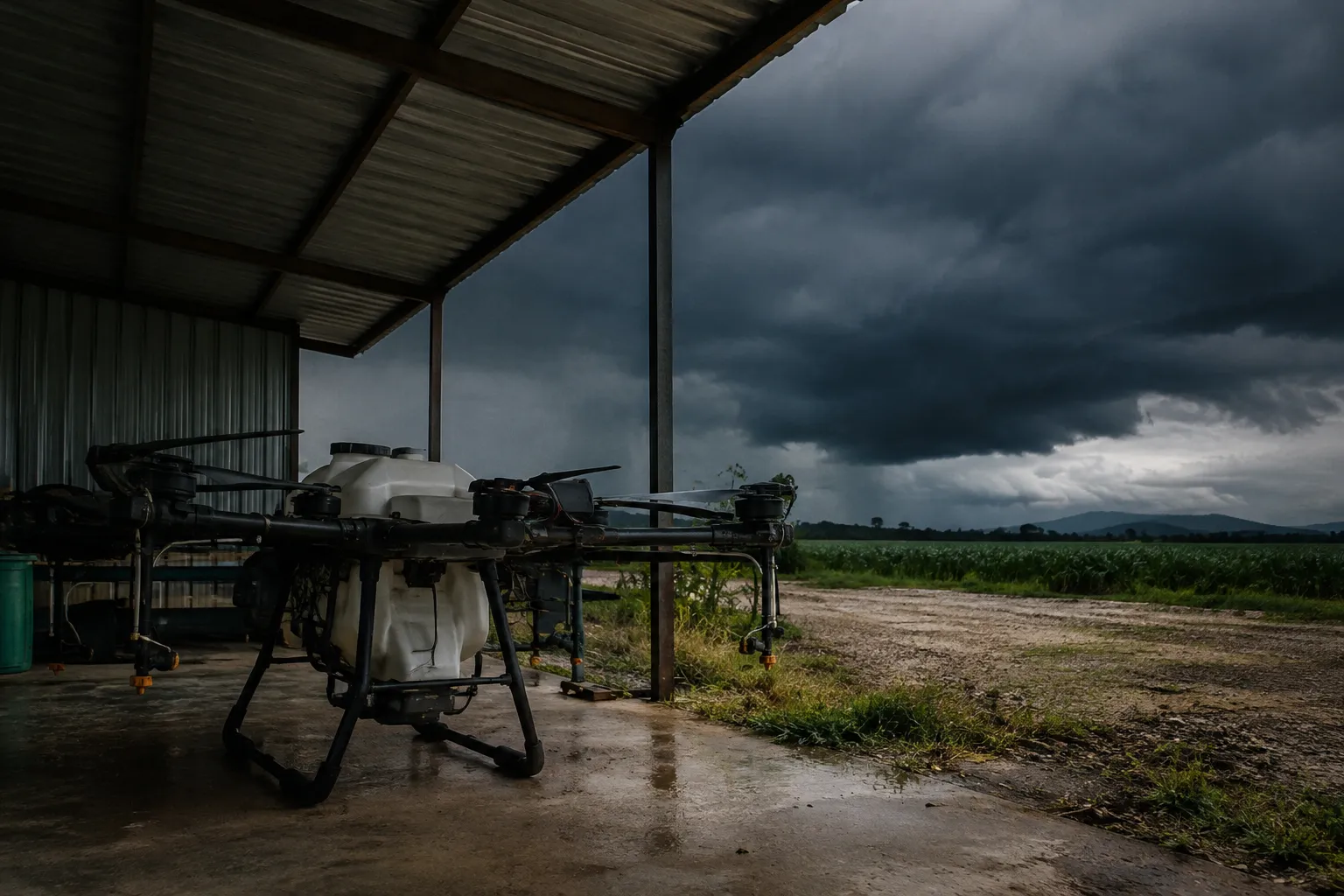
Keep your commercial drone operations safe and compliant during winter weather conditions
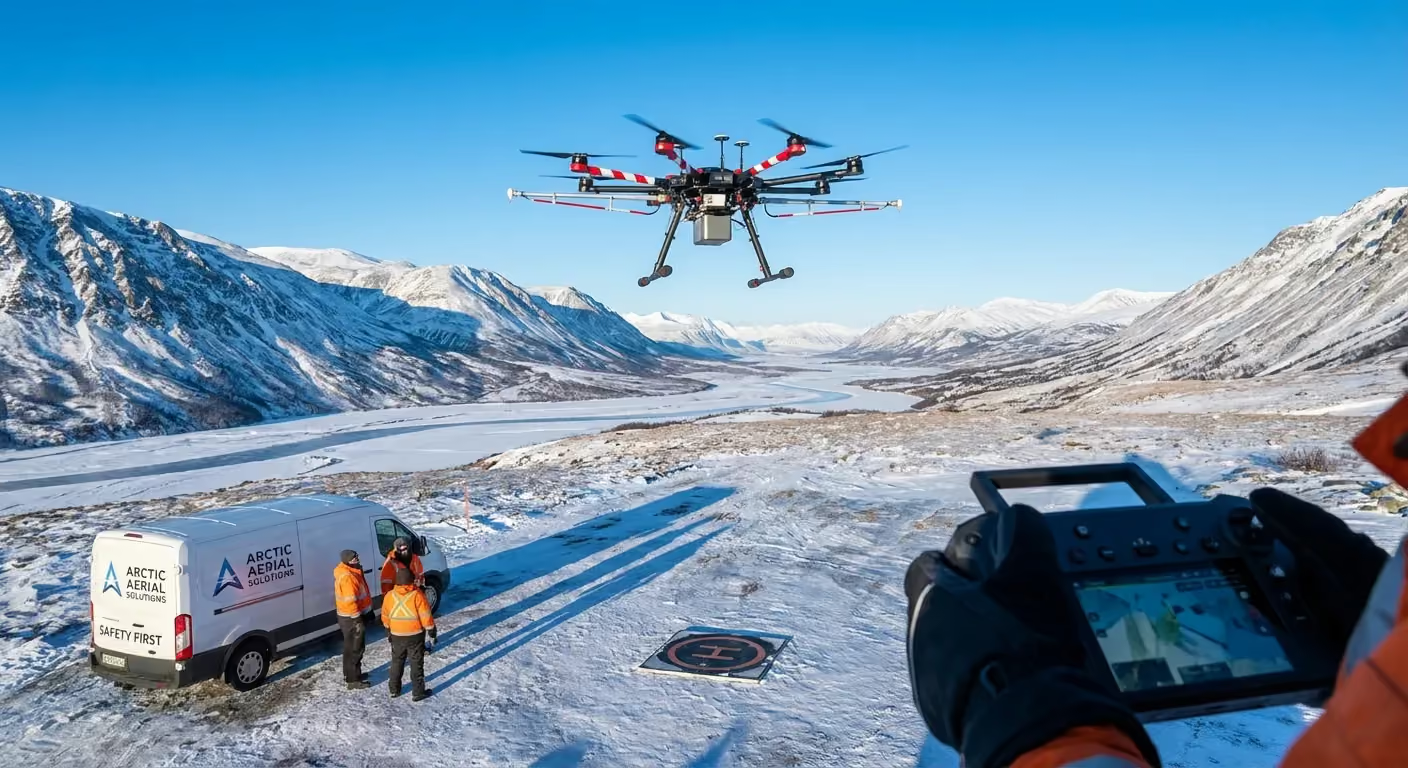
Flying Drones in Winter: What Every Commercial Pilot Needs to Know
Winter brings unique challenges for commercial drone operations. Cold temperatures, reduced battery performance, and unpredictable weather patterns can impact both flight safety and your business operations. At SkyWatch, we work with thousands of commercial drone pilots, and we've compiled the most important winter flying tips to help you maintain safe and profitable operations year-round.
Battery Performance in Cold Weather
One of the biggest challenges drone pilots face in winter is reduced battery performance. Lithium-polymer batteries lose capacity in cold temperatures, sometimes reducing flight time by 30-50%.
Pre-flight battery management:
- Store batteries at room temperature (68-77°F) before flying
- Use battery warmers or keep batteries in an insulated case until ready to fly
- Never charge cold batteries; let them warm to room temperature first
- Monitor battery voltage more closely during winter flights
In-flight considerations:
- Plan for shorter flight times and bring extra batteries
- Return to home earlier than usual to account for reduced capacity
- Keep spare batteries warm in your vehicle or jacket
- Watch for sudden voltage drops that indicate battery stress
Weather Monitoring and Flight Planning
Winter weather can change rapidly. What starts as a clear morning can quickly turn into challenging conditions.
Before every flight:
- Check multiple weather sources, not just one app
- Monitor wind speeds at altitude, which can be significantly higher than ground level
- Watch for ice formation on props and sensors
- Be aware of reduced visibility in winter fog or snow
- Check for temperature inversions that can affect flight performance
Remember that your insurance policy requires you to operate within safe weather parameters. Flying in conditions beyond your skill level or equipment capabilities could void your coverage.
Equipment Preparation and Maintenance
Cold weather affects more than just batteries. Your entire drone system needs winter preparation.
Pre-flight equipment checks:
- Allow your drone to acclimate to outside temperature gradually
- Check all moving parts for ice or frost buildup
- Ensure gimbal and motors move freely
- Verify GPS signal strength, which can be affected by atmospheric conditions
- Test all sensors and calibrate as needed
Post-flight care:
- Bring your drone inside gradually to prevent condensation
- Wipe down any moisture before storing
- Let batteries warm before charging
- Check for any damage from cold-related stress
Understanding Your Insurance Coverage in Winter
Winter operations can increase risk, making proper insurance coverage even more critical.
SkyWatch Commercial Drone Insurance is designed for professional pilots who operate year-round. Our policies cover you whether you're flying in summer sunshine or winter snow, as long as you're operating safely and within regulations.
Key coverage considerations for winter:
- Hull coverage protects your equipment from weather-related damage
- Liability coverage remains active in all seasons
- Make sure your policy reflects increased equipment value if you've added winter gear
- Keep detailed flight logs to document safe operating practices
Regulatory Compliance in Winter Conditions
Part 107 regulations don't change with the seasons, but winter weather can make compliance more challenging.
Remember these critical rules:
- Maintain visual line of sight, which can be harder in snow or fog
- Don't fly over people unless you have the proper waiver
- Respect the 400-foot altitude limit
- Stay clear of airports and restricted airspace
- Ensure your Part 107 certificate is current
Operating outside FAA regulations can result in fines and may void your insurance coverage. When in doubt, don't fly.
Client Communication During Winter
Professional drone pilots know that sometimes the safest decision is to reschedule.
Best practices:
- Build weather delays into your project timelines
- Communicate proactively with clients about weather limitations
- Explain how safety benefits both parties
- Offer alternative dates when conditions improve
Clients respect pilots who prioritize safety. It demonstrates professionalism and protects your reputation.
Stay Protected Year-Round with SkyWatch
Commercial drone operations require flexibility, skill, and proper protection. SkyWatch offers on-demand insurance that adapts to your business needs, whether you're flying daily or seasonally.
Our commercial drone insurance includes:
- Liability coverage up to $10 million
- Hull coverage for your equipment
- Flexible policies from hourly to annual coverage
- Instant certificates of insurance
- Coverage that meets client and regulatory requirements
Winter flying doesn't have to ground your business. With proper preparation, equipment care, and comprehensive insurance coverage, you can operate safely and profitably all year long.
Ready to protect your commercial drone operations? Get a quote from SkyWatch in minutes and fly with confidence, no matter the season.