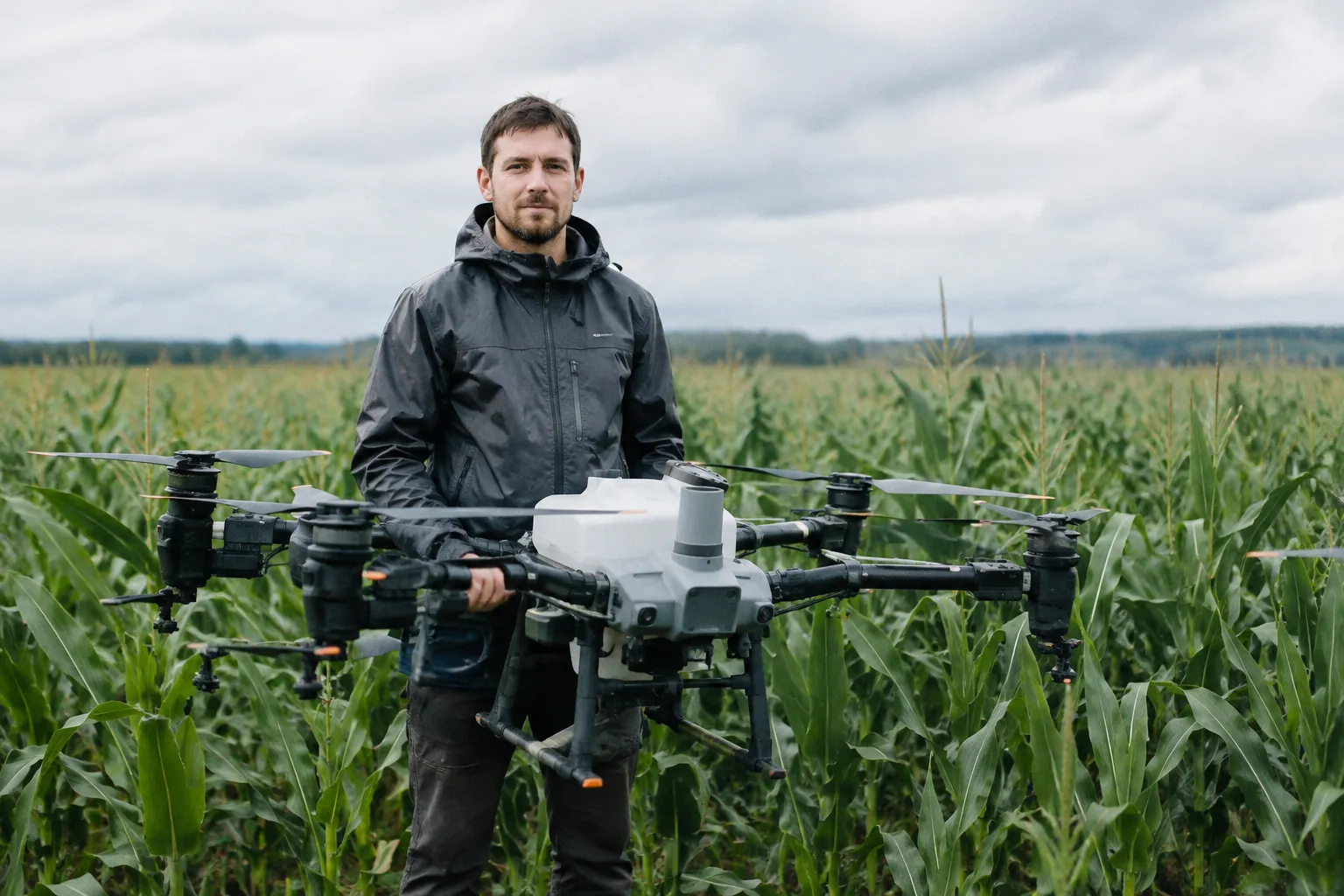
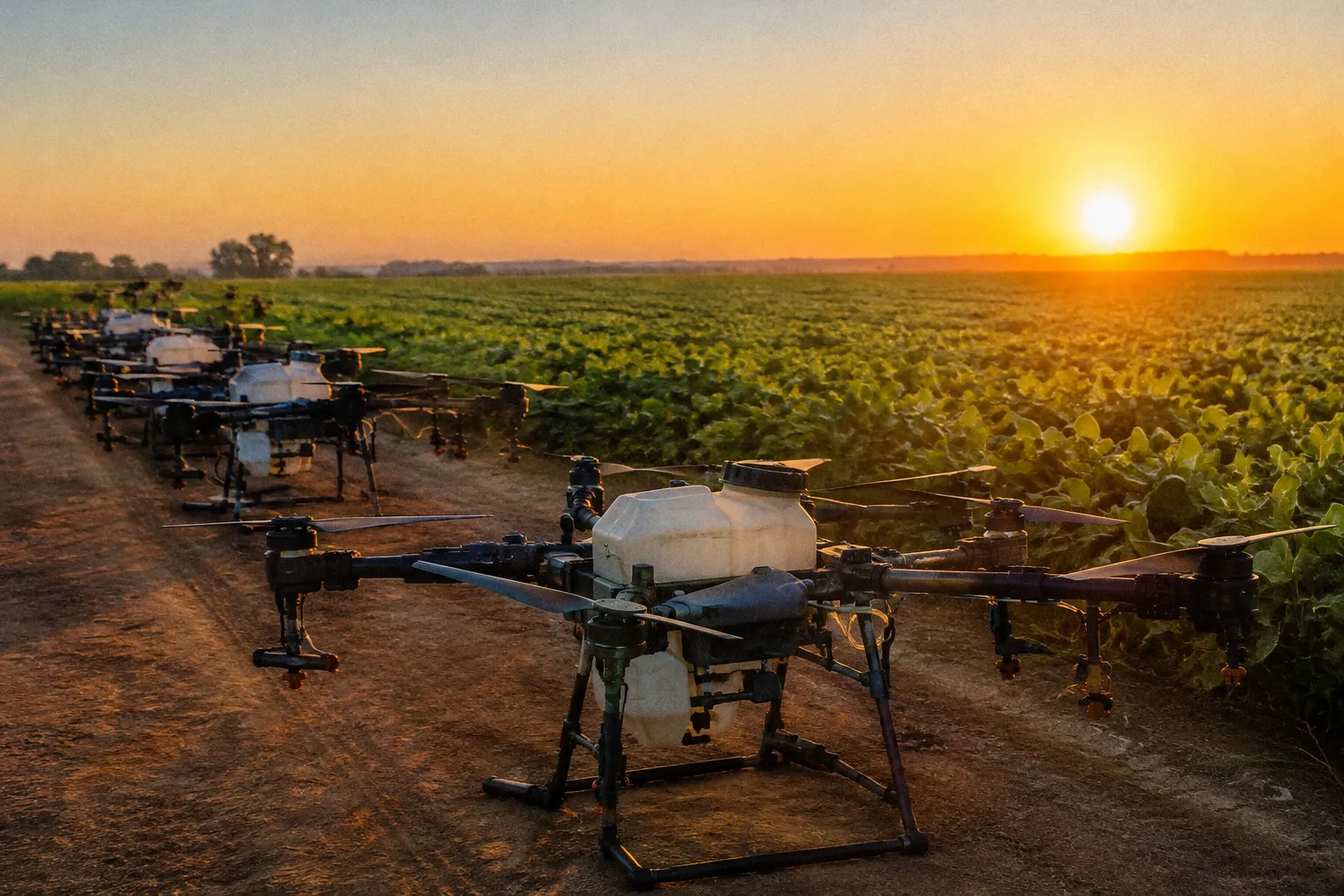
You bought one spray drone. It paid for itself in a season. Now you're eyeing a second, maybe a third, and someone asks how you're going to insure all of them. It's a fair question, and the answer is simpler than most operators expect.
This post walks through how ag drone fleet insurance works, where operators get tripped up, and what to ask before you sign anything.
What Changes When You Add a Second or Third Drone to Your Operation
Your risk doesn't just double. It shifts shape.
With one drone, you have one aircraft, one pilot, and one field at a time. Add a second and you may have two crews working different parcels on the same day. Add a third and you're probably hiring seasonal pilots, hauling more chemical, and juggling batteries across trucks. Each of those changes affects what an underwriter wants to know.
Liability exposure is the big one. More flight hours means more chances for drift complaints, crop damage claims, or a stray aircraft near a neighbor's property. Hull coverage matters too, since a fleet represents real money sitting in a trailer. A single theft or a barn fire can wipe out several aircraft at once.
That's why ag drone insurance for a fleet looks different from a single-aircraft policy. You're covering people, equipment, and application work together.
One Policy or Several?
Operators usually have two paths. You can insure each drone on its own policy, or you can bundle them under one program. Separate policies are easy to understand but tend to leave gaps. Limits don't share, renewal dates drift apart, and paperwork piles up.
A single program is cleaner. With fleet drone coverage, you list every aircraft under one policy, set one liability limit, and renew once a year. Adding a new drone mid-season becomes a quick update instead of a new application.
Pricing often improves as well. Underwriters generally like seeing a documented operation with consistent procedures, and a bundled program gives them that picture in one place.
What Underwriters Actually Look At
We've issued more than 300,000 commercial drone insurance policies, so we've seen what moves a quote up or down. For ag work, the questions tend to repeat.
How many acres do you treat in a year? What products do you apply, and are they restricted use? Who flies, and what are their certifications? Do you hold the right Part 137 and Part 107 authorizations, plus state pesticide licensing where it applies? Where are the aircraft stored overnight?
None of these are trick questions. They help the underwriter price the risk fairly. We work with underwriters who specialize in ag drone operations, which means you aren't explaining spray drift to someone who has only ever insured camera drones.
Coverage Gaps That Catch Fleets Off Guard
The most common gap is pilots. A policy written around you as the owner may not extend to a hired seasonal pilot unless they're named or the policy allows permitted operators. Ask about this early.
The second is chemical liability. Some general liability policies exclude pesticide application entirely. If your multi-drone agriculture insurance doesn't clearly cover aerial application, you could be uninsured for the exact work you do.
The third is mixed use. If one drone sprays and another maps fields, both need to be accurately described. Mislabeling a spray aircraft as a mapping drone can cause a claim denial.
Finally, check your hull values. Drones depreciate quickly, but replacement costs often don't fall as fast. Pick a valuation method that matches how you'd actually replace the aircraft.
Practical Steps Before You Buy
Gather serial numbers, purchase prices, and pilot credentials for every aircraft and operator. Write down your typical acreage and the products you apply. Decide whether you'll hire more pilots next season, since it's easier to build that in now than to patch it later.
Then compare programs on structure, not just price. A cheap quote with a pesticide exclusion costs more than a fair quote that pays the claim. Our customers rate us with nearly perfect 5-star customer support, and a lot of that comes from helping operators sort through these details before a loss, not after.
If you want the broader picture first, our overview of drone insurance explains the core coverage types.
Frequently Asked Questions
How much does ag drone fleet insurance cost?
Cost depends on the number of aircraft, their values, acreage treated, and the products applied. Small operations may pay a few thousand dollars a year, and larger fleets pay more. Bundling aircraft under one program is often cheaper than insuring each drone separately.
Do I need separate insurance for each agricultural drone?
No. Insuring multiple agricultural drones under a single policy is common and usually simpler. Each aircraft is listed on the policy, and you share one liability limit and one renewal date.
Does fleet drone coverage include hired pilots?
It can, but not automatically. Many policies require pilots to be named or to meet stated qualifications. Confirm that seasonal and contract pilots are covered before they fly.
Is pesticide application covered under standard drone liability?
Not always. Some liability policies exclude chemical application, so you need coverage written for aerial spraying. Ask your provider to confirm in writing that product application and drift are covered.
Get a quote at skywatch.ai