
You bought the sprayer drone. You passed the knowledge test. Then a customer asks whether you hold a Part 137 certificate, and your insurance agent asks the same thing an hour later. Those two questions are connected, and getting them wrong can cost you a claim.
Here is how FAA Part 137 ag drone insurance really works, and what to sort out before your next spray season.
Why Part 137 Matters in the First Place
Part 137 is the FAA rule set for agricultural aircraft operations. It covers dispensing pesticides, herbicides, fertilizer, and seed from the air. If you apply any of those with a drone for hire, you generally need a Part 137 operating certificate. Your Part 107 remote pilot license alone does not cover it.
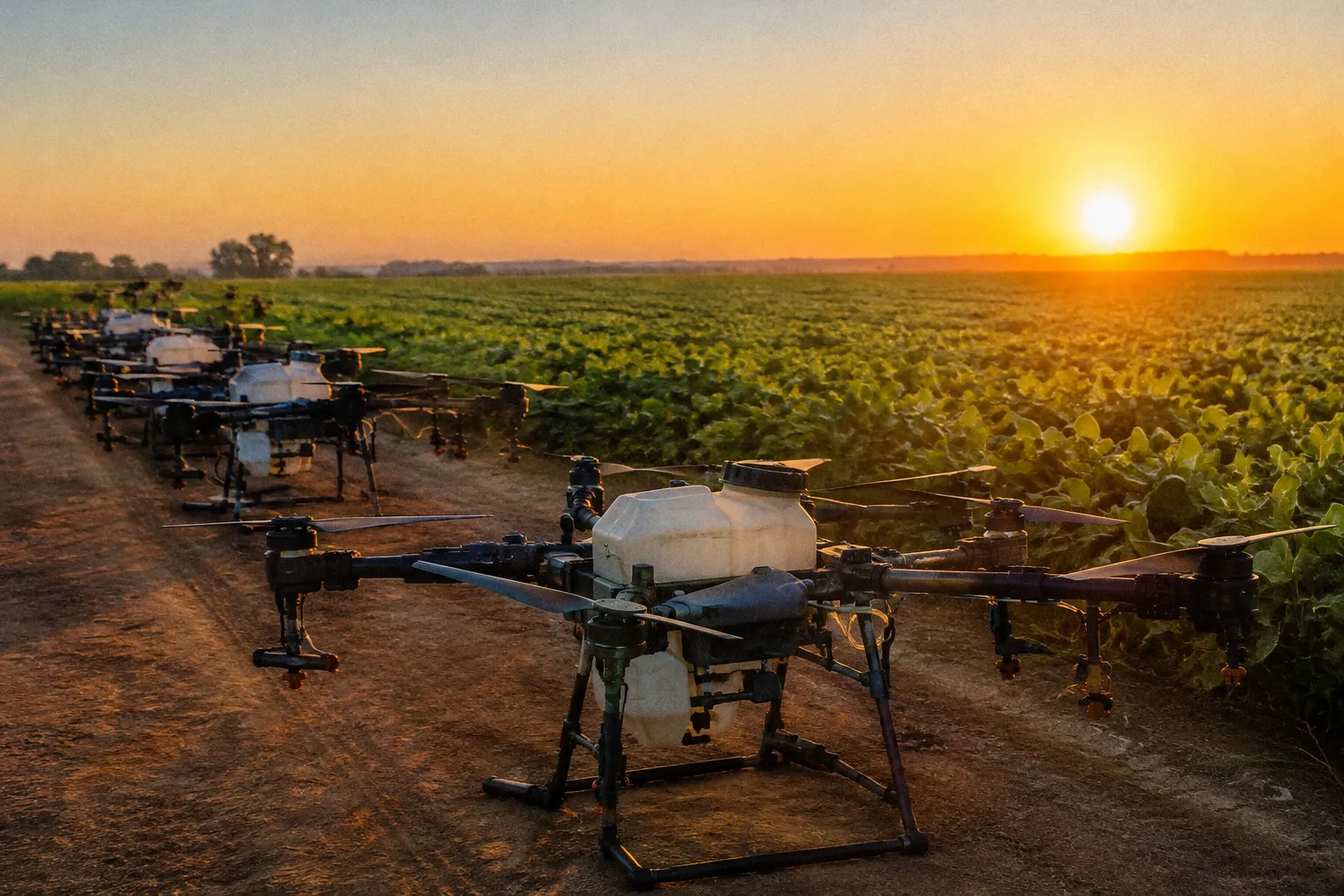
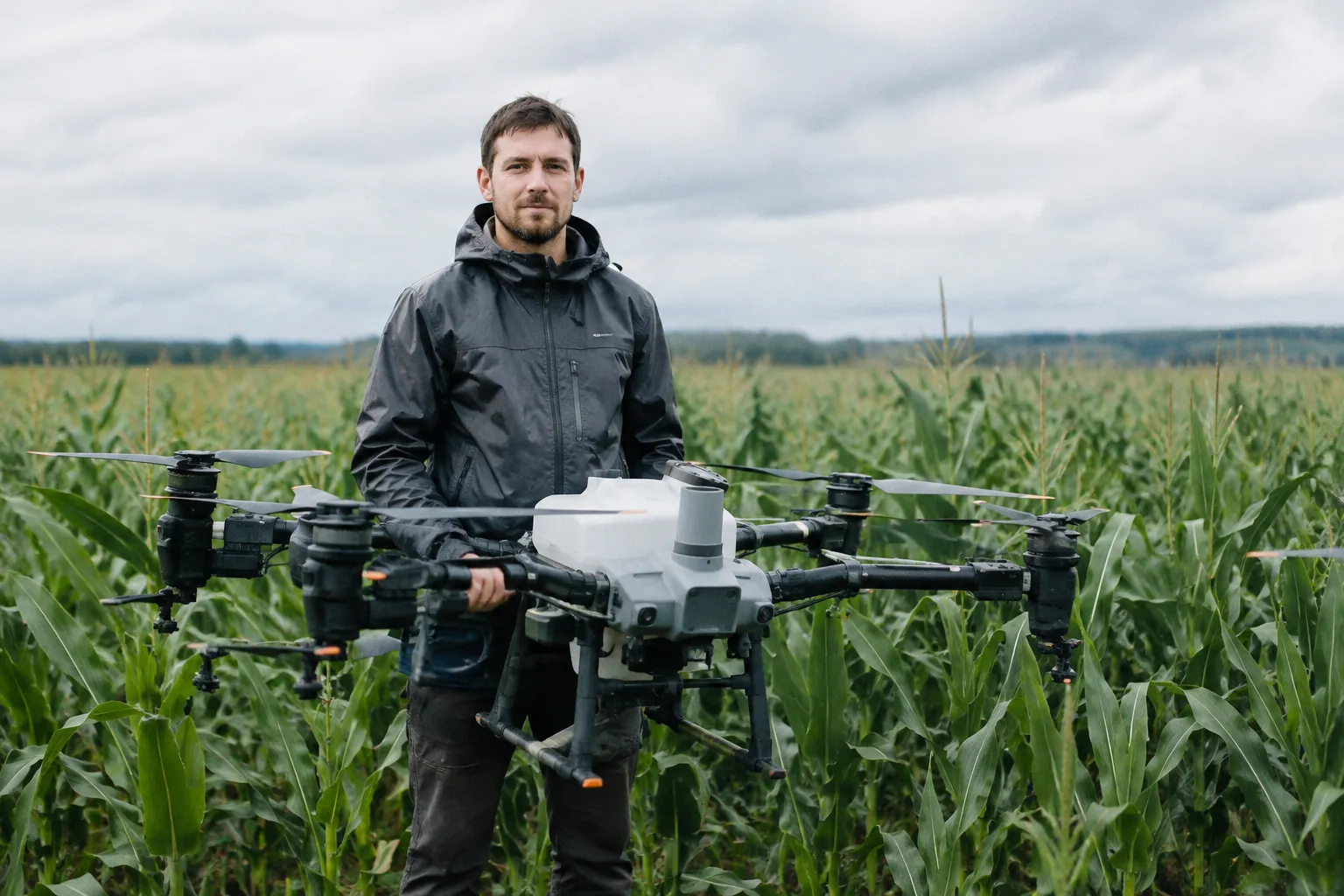
Most spray drones weigh more than 55 pounds with payload, which puts them outside Part 107. That means an exemption under Section 44807 on top of the certificate. The paperwork is real, and it takes time. Plenty of operators treat it as a formality. Insurers do not.
The full list of ag drone regulatory requirements also includes state pesticide applicator licensing, aircraft registration, and Remote ID compliance. The FAA piece is only one layer, but it is the one that most often shows up in a claim file.
How FAA Certification Status Affects Your Policy and Claims
Underwriters price risk. A certified operator with documented procedures looks like a lower risk than someone spraying a neighbor's field with no paperwork. That difference shows up in your premium, and it shows up in whether your policy responds at all.
Say a drift incident damages a neighbor's organic crop. The adjuster will ask for your certificate, your exemption, your applicator license, and your flight logs. If you were operating outside your authorization, the insurer may argue the loss falls under an exclusion. Some policies explicitly require compliance with all applicable FAA rules. Miss one and you could be paying out of pocket.
This is why FAA Part 137 ag drone insurance deserves its own conversation with your provider. A generic hobby or light commercial policy often will not contemplate chemical application at all. You may have liability coverage for flying, with nothing for the thing that actually generates most ag claims: product drift and crop damage.
We have seen this play out. At SkyWatch, we've issued more than 300,000 commercial drone insurance policies, and the claims that go sideways usually trace back to a mismatch between what the operator did and what the policy assumed. Rarely is it about the aircraft itself.
Waivers, Exemptions, and What Insurers Want to See
People often say "Part 137 waiver drone" when they mean the exemption path for heavier aircraft. The terms get mixed up, and it matters. A waiver relaxes a specific Part 107 rule. An exemption lets you operate outside a rule you would otherwise have to follow. Part 137 work with heavy drones typically involves the latter.
When you apply for coverage, expect to hand over your certificate number, your exemption details, and a description of what you apply and where. Have them ready. Quotes move faster when the file is clean.
Pursuing FAA certification for an agriculture drone business is also a selling point. Growers and co-ops increasingly ask for proof of both certification and insurance before they hire you. Having both in a single email attachment wins jobs.
What Good Ag Coverage Looks Like
Solid agriculture drone insurance usually pairs several protections. Liability handles third-party injury and property damage. Hull coverage protects the aircraft. Many operators also need coverage for chemical drift and crop damage, which is where policies differ the most. Read that section line by line.
We work with underwriters who specialize in ag drone operations, so the people reviewing your application already understand what a spray run involves. That saves you from explaining what a swath width is to someone who has only ever insured camera drones. If you want a broader view of options beyond farming, our drone insurance page covers the rest.
And if you have questions mid-season, you can reach a real person. Our customer support holds a nearly perfect 5-star rating, which we care about because a grounded sprayer in June costs money every day.
Frequently Asked Questions
Do I need a Part 137 certificate to spray crops with a drone?
Yes, if you apply pesticides, herbicides, fertilizer, or seed for compensation or hire. Drones over 55 pounds also need an exemption under Section 44807. You will usually need a Part 107 remote pilot certificate as well.
How much does ag drone insurance cost?
Premiums vary with aircraft value, acreage, coverage limits, and whether chemical application is included. Many small operators pay a few hundred to a few thousand dollars per year. Certified operators with clean records generally get better pricing.
Will my insurance pay if I operate without Part 137 certification?
Possibly not. Many policies require compliance with FAA regulations, and an insurer can deny a claim tied to unauthorized operations. Check your policy's regulatory compliance clause before you spray.
Does standard drone liability cover crop damage from drift?
Often it does not. Chemical drift and crop damage are commonly excluded from general commercial drone policies. You need a policy written for agricultural application that lists them as covered.
Get a quote at skywatch.ai