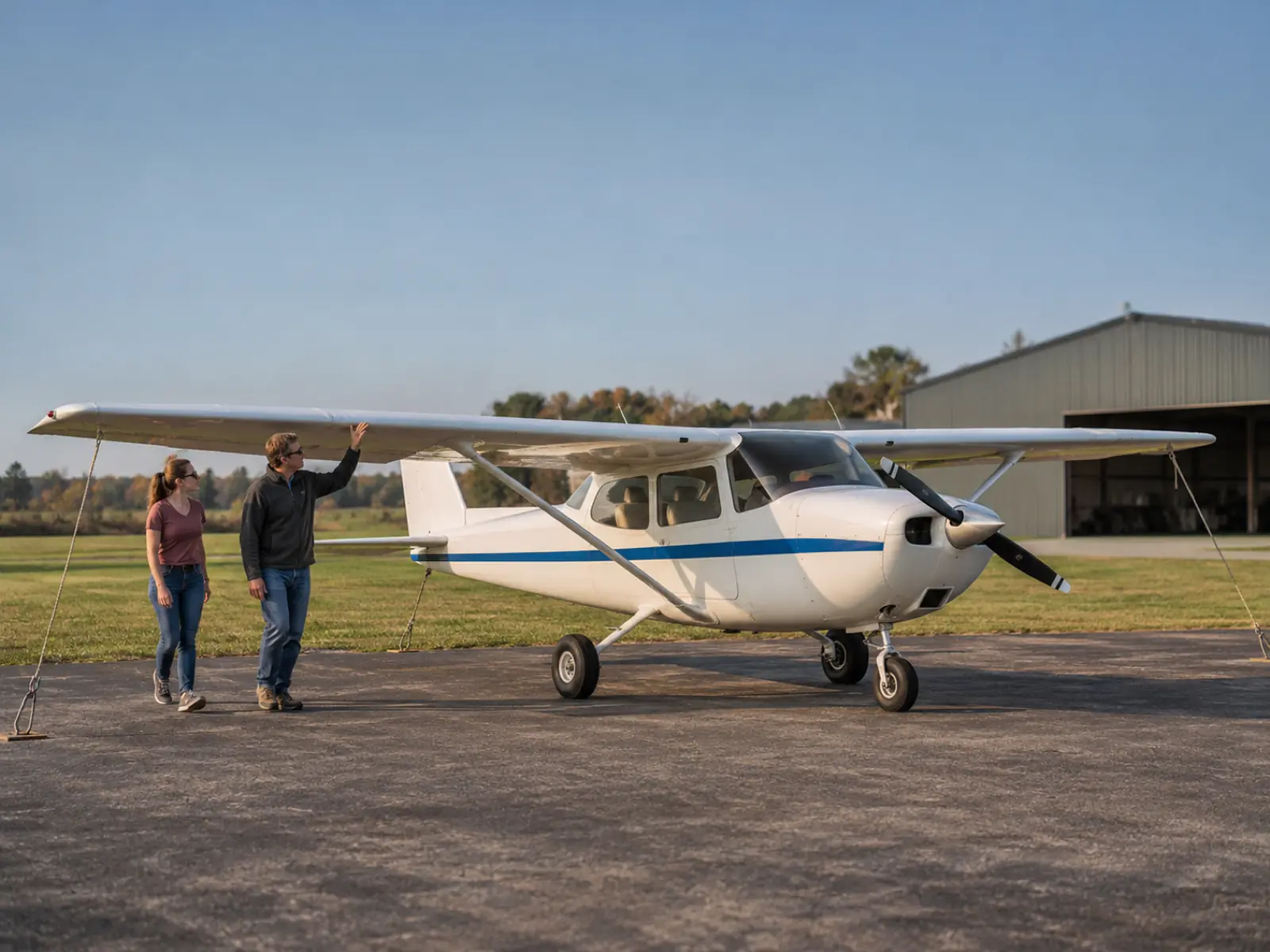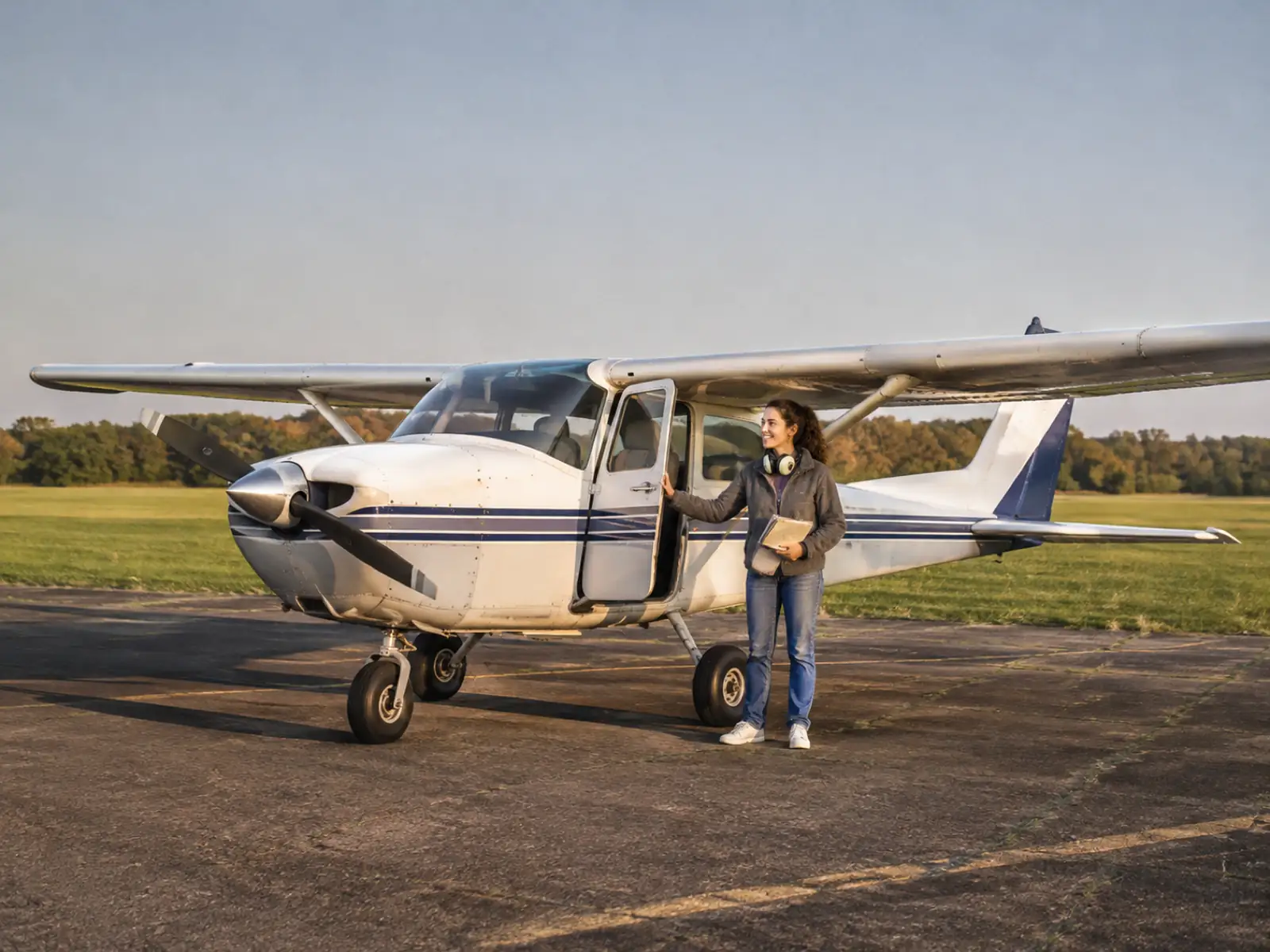
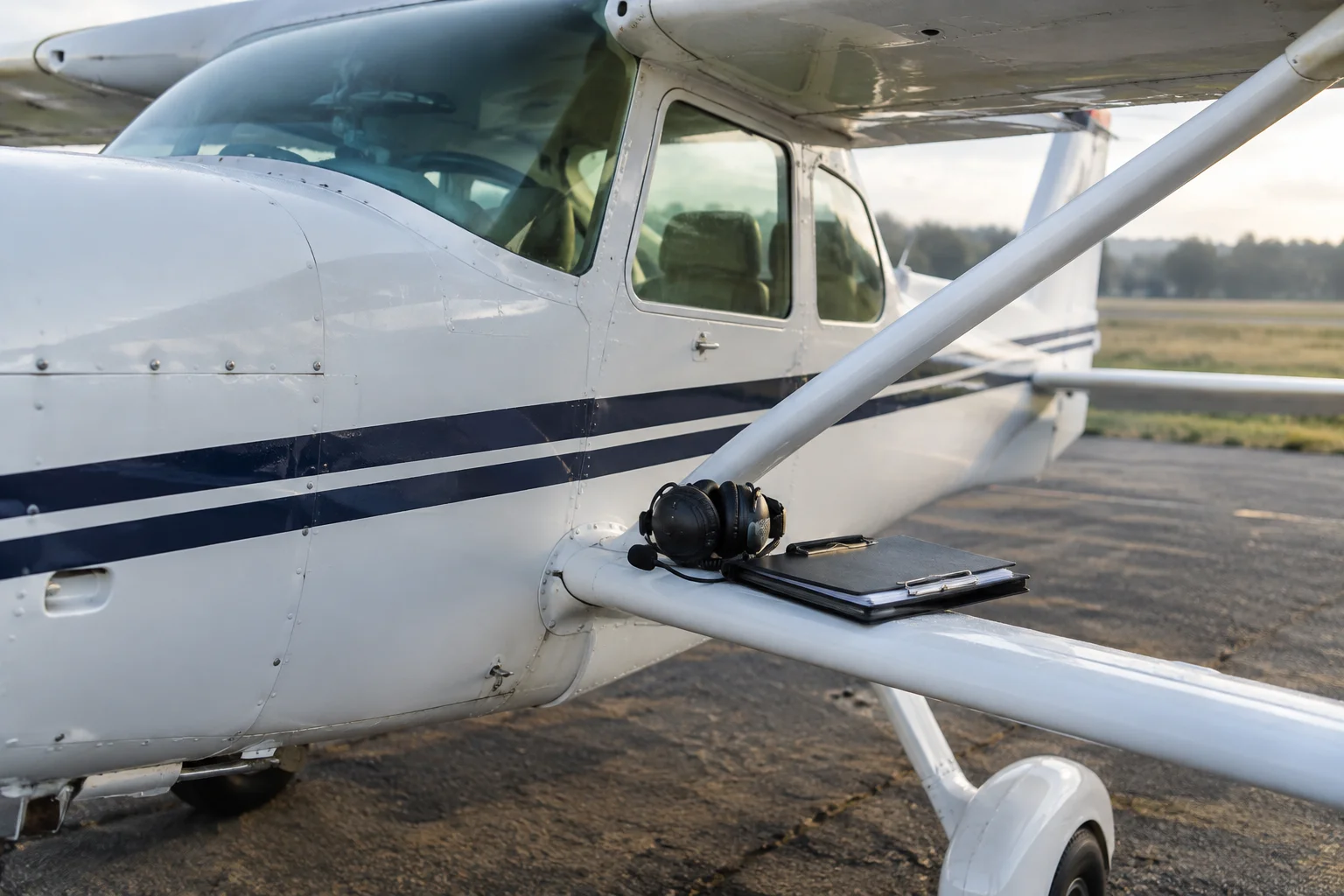
A student pilot on r/flying recently posted a quote his Part 61 school told him to buy before solo: $715 a year, with $250,000 in medical coverage and $60,000 for aircraft damage. His question was simple. Is that normal? The replies split. Some said the price sounds about right. Others had seen quotes closer to $400, because the school they knew asked for less aircraft damage coverage.
Both answers can be true. The number on a quote means little until you know what sits behind it. Here is how the Skywatch team suggests reading one, line by line.
Start with the hull limit, because it drives the price
The aircraft damage line, often called hull coverage, pays for damage to the airplane you rent when you are legally liable for it. Pilots in these threads agreed on one thing: it is usually the most expensive part of a student policy, and the premium climbs as the limit climbs. One pilot with a $25,000 limit reported about $370 a year. Another with $50,000 reported $674. In a related thread, a school asked for $100,000 in hull coverage and an experienced pilot doubted it could be had for $500 a year.
Schools set very different minimums, from $25,000 to $100,000, so two students at two airports can see very different quotes for the same pilot. Before you compare prices, compare the hull limit. If you want a sense of where a number should land for a training airplane, our guide on how much hull coverage a renter pilot needs walks through the logic.
Check the liability and medical lines separately
Liability covers injury or property damage you cause to other people. Medical coverage, on policies that include it, is meant to help with medical bills for people hurt in an accident, subject to the policy terms. These are different promises, and a quote that lists a large medical number is not the same as a quote with a large liability limit.
Write the three limits down side by side: hull, liability and medical. If your school's requirement names only the hull amount and a liability amount, ask whether a medical line is required or just bundled in.
Why the school still wants you to carry your own policy
A pilot in a related thread put it plainly: if you bend the airplane, the school's insurer pays the school, then may come after you. That process is called subrogation. Your own non-owned policy is what sits between that bill and your savings. It is also why schools ask for proof of coverage before they sign you off to fly alone.
Match the term to how long you will actually fly
The annual price is not the only way to buy. Skywatch sells non-owned coverage by the day, the week, the month or the year, and the term can change the limits available. Monthly and annual policies offer hull limits from $5,000 to $200,000, while short-term plans have a maximum hull limit of $75,000. Pilots in the thread also mentioned monthly options as a way to avoid paying for a full year when training is stop and start.
Think about your plan. A student flying twice a week until a checkride in four months has a different need than one who will keep renting for years. If you are still building hours, our student pilot insurance page shows how coverage fits around lessons.
A quote checklist you can use today
- What hull limit does the school require, in writing?
- What liability limit does it require?
- Is a medical line required, or just included?
- What is the deductible on the aircraft damage coverage?
- Does the policy cover the exact aircraft and the flights you plan, including solo?
- Is the term day, week, month or year, and does it match your training plan?
- Does the school need a certificate of insurance before first solo, and who sends it?
Once you have the same answers from each provider, compare price. Quotes only line up when the limits do. When you are ready, look at Skywatch aircraft renters insurance and compare it against the numbers on your school's list.
FAQ
Is $715 a year normal for student pilot insurance?
It can be. Price depends mostly on the hull limit, plus liability, medical coverage, the aircraft and your experience. Pilots on Reddit reported anywhere from about $370 to $715 for different limits, so compare quotes only when the limits match.
What does hull coverage mean on a renters policy?
Hull coverage pays for damage to the aircraft you rent when you are legally liable, up to the policy limit and subject to its terms. It is usually the largest factor in the premium.
Why do flight schools require different hull amounts?
Each school and club sets its own minimum, often based on its aircraft values and deductible. Requirements commonly range from $25,000 to $100,000, so always ask for yours in writing.
Can I buy student renters insurance by the month?
Yes. Skywatch offers non-owned aircraft coverage by the day, week, month or year. Hull limits run from $5,000 to $200,000 on monthly and annual policies, and short-term plans cap at $75,000.
Does the school's insurance protect me as a student?
It protects the school first. After paying for damage, the school's insurer may seek reimbursement from the renter, which is why many schools ask students to carry their own policy before solo.
When should I buy student pilot insurance?
Before your first solo, since most schools ask for proof of coverage before they sign you off. Ask your school which limits it needs, then compare quotes.