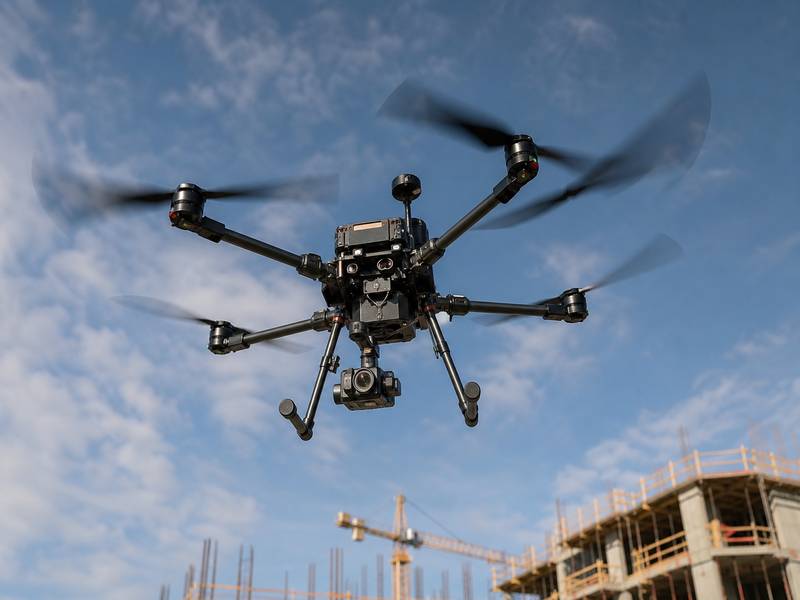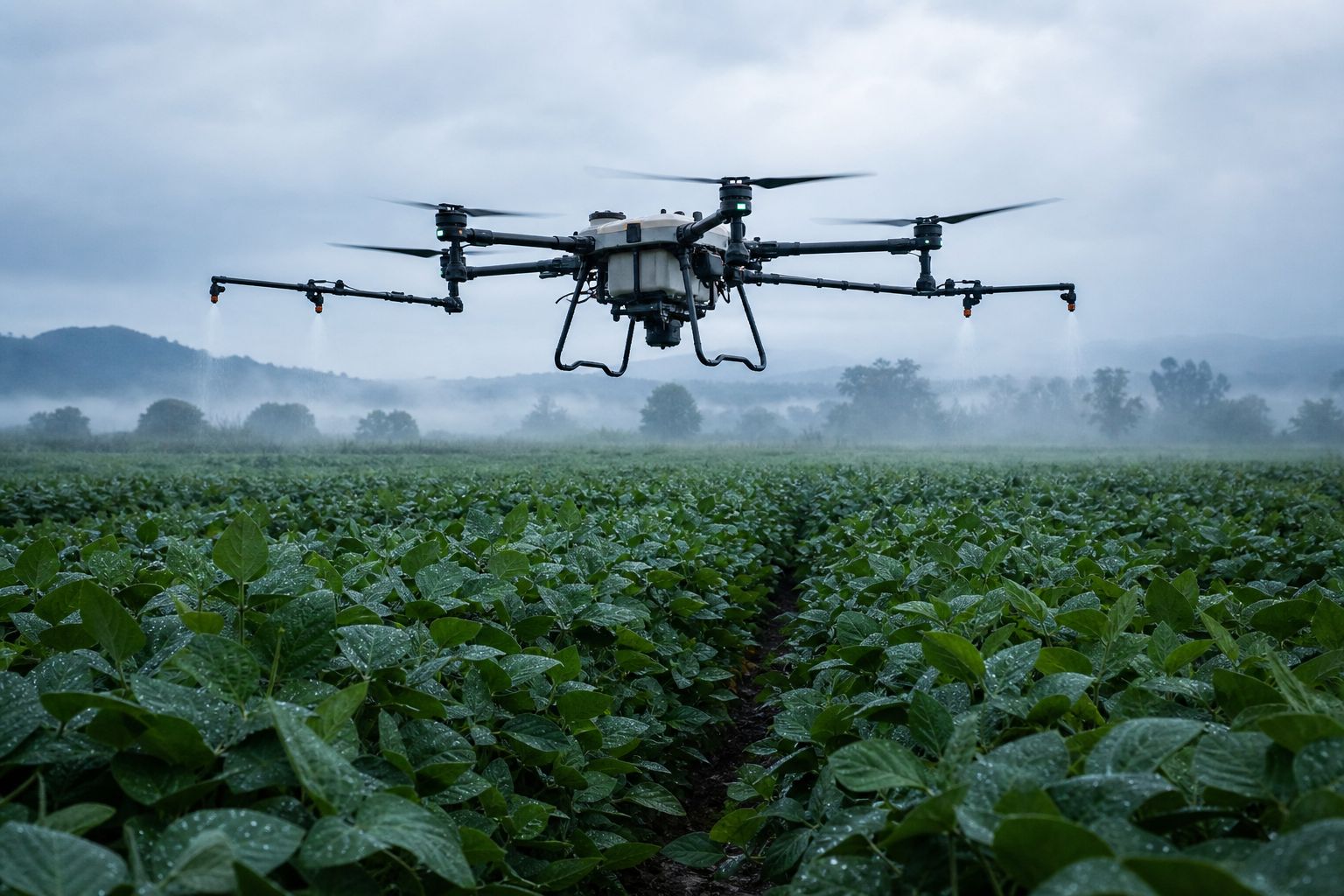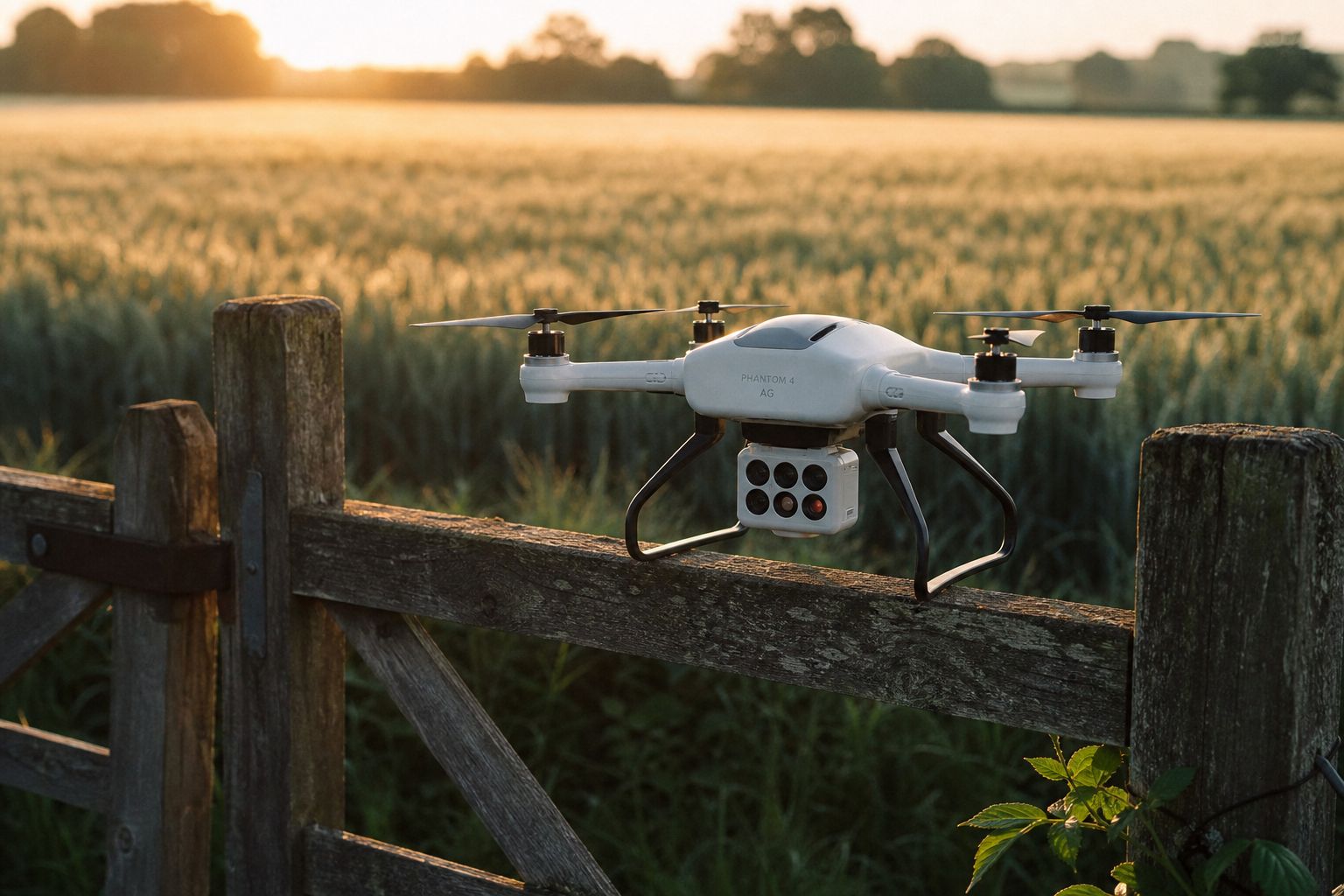
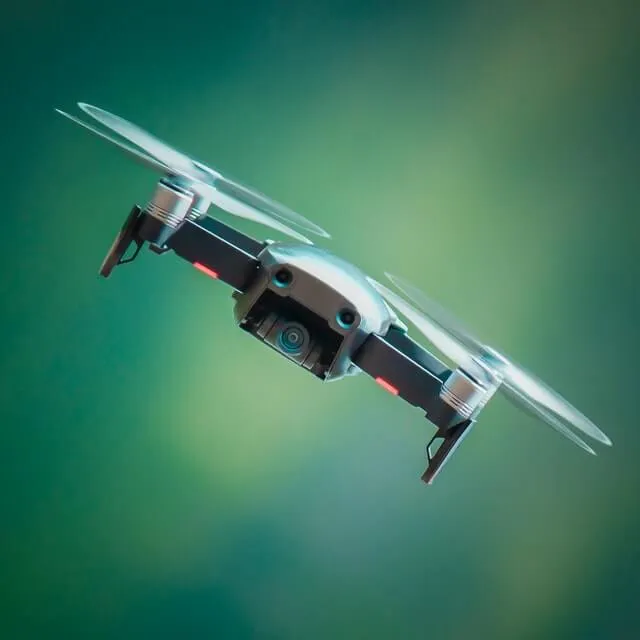
A DJI Agras T40 runs close to $14,000. Add a high-end multispectral imaging setup, and you're easily looking at $20,000 or more sitting on a single airframe. If that equipment gets damaged on a job, a standard homeowner's policy won't cover it, and most general liability policies won't touch the hardware either. That's exactly where agriculture drone hull insurance comes in, and it's worth understanding before something goes wrong in the field.
Hull coverage is the part of a drone insurance policy that pays for physical damage to the aircraft itself. Think of it like collision and comprehensive coverage for a vehicle. If your ag drone clips a tree line, takes a hard landing in a waterlogged field, or gets damaged in transport, hull coverage is what reimburses you for the loss. Without it, you're absorbing the full replacement cost out of pocket.
For farmers and agricultural operators running high-value equipment, this matters a lot. Drone equipment coverage for farming isn't a luxury add-on. It's a basic risk management tool for anyone who depends on that aircraft to do a job.
How to Accurately Value Your Ag Drone for a Hull Policy
One of the most common mistakes operators make is insuring their drone for the wrong amount. Underinsuring means a payout that doesn't come close to covering a replacement. Overinsuring means paying premiums on a value you'll never actually recover. Getting this right requires a few deliberate steps.
Start with the current market replacement cost, not what you paid two years ago. Drone prices shift with technology cycles, so a model that cost $18,000 at purchase might cost $16,500 to replace today, or it might cost more if supply has tightened. Check current dealer pricing and recent resale data to anchor your estimate.
Then account for every component. The airframe is only part of the picture. Payload systems, batteries, remote controllers, charging hubs, and calibration equipment all add up. A multispectral drone insurance policy should reflect the actual value of the full kit you're flying, not just the base unit. We work with underwriters who specialize in ag drone operations, which means they understand payload value and can write a policy that actually reflects how these systems are configured in the field.
If you've made upgrades or added accessories after purchase, document those separately with receipts or invoices. That documentation becomes important when a claim is filed. Insurers need a clear picture of what was on the aircraft, and having records ready speeds up the process considerably.
Also consider how you're using the drone. Operators flying repeated spray runs over large acreage face different wear patterns and risk exposure than those doing occasional scouting missions. Your usage profile can affect how an underwriter looks at your ag drone replacement cost insurance needs, so be honest and specific when filling out your application.
At SkyWatch, we've issued more than 300,000 commercial drone insurance policies, and the operators who file the smoothest claims are always the ones who documented their equipment carefully before anything happened. It takes an hour to do it right. That hour can save you weeks of back-and-forth after a loss.
For operators flying under Part 107, there's no federal requirement to carry hull insurance. But many ag service contracts, cooperative agreements, and landowner access arrangements require proof of coverage before you can fly on private land. Even if no one is asking, agriculture drone hull insurance protects the business continuity that makes the operation viable in the first place.
If you're new to insuring ag equipment, a good starting point is reviewing what agriculture drone insurance typically covers so you understand how liability and hull policies work together. Most serious commercial operators carry both. Liability covers third-party claims. Hull covers your hardware. They're separate coverages solving separate problems.
The cost of agriculture drone hull insurance varies based on aircraft value, how often you fly, your geographic region, and your claims history. A policy covering a $15,000 airframe might run a few hundred dollars annually, though that number moves depending on specifics. The best way to get an accurate number is to run an actual quote through a platform built for commercial operators. Our nearly perfect 5-star customer support team can help you sort through policy options if you have questions along the way.
One more thing worth noting. If you're shopping for drone insurance and a provider can't clearly explain how hull coverage works or what their claims process looks like, that's a signal to keep looking. You want a provider who knows ag operations, not one treating your Agras the same as a hobbyist's consumer quad.
Agriculture drone hull insurance is a straightforward product once you understand what it does. The main job is to make sure that a hardware loss doesn't shut down your operation while you wait to scrape together replacement funds. For high-value ag drones, that kind of financial buffer isn't optional. It's just good business.
Frequently Asked Questions
What does agriculture drone hull insurance actually cover?
Hull insurance covers physical damage to the drone itself, including the airframe, payload systems, and attached components. It applies to damage from crashes, hard landings, collisions, and in some cases transport-related damage. It does not cover third-party bodily injury or property damage, which falls under a separate liability policy.
How much does hull insurance cost for a high-value ag drone?
For an ag drone valued between $10,000 and $20,000, annual hull coverage typically ranges from a few hundred to over a thousand dollars depending on flight hours, coverage limits, and the operator's claims history. The best way to get an accurate figure is to request a quote specific to your aircraft and operation, since rates vary by underwriter and use case.
Is hull coverage required for commercial ag drone operations?
The FAA does not require hull insurance under Part 107. However, many landowners, agricultural cooperatives, and service contracts require proof of both liability and hull coverage before allowing drone operations on their property. Operators who fly for hire should verify client contract requirements before assuming liability-only coverage is sufficient.
Does hull insurance cover multispectral cameras and other payloads?
It depends on how the policy is written. Some hull policies cover only the base airframe and exclude attached payloads unless they are specifically listed and valued in the policy. When insuring a drone with a multispectral or other high-value payload, operators should confirm with their insurer that payload coverage is explicitly included and that the declared value accounts for those components.
Ready to protect your equipment with the right coverage? Get a quote at skywatch.ai.