If you've been pricing out coverage lately, you already know that agriculture drone insurance cost isn't a flat number. It shifts based on what you're flying, where you're flying it, and what you're using it for. Operators who spray one county in the Midwest pay differently than someone doing multispectral mapping across multiple states. That variability isn't random. It comes down to specific underwriting factors, and once you understand them, your quote starts to make a lot more sense.
We've issued more than 300,000 commercial drone insurance policies at SkyWatch, and ag operations are among the most distinct cases we handle. The risks are real, the equipment is expensive, and the liability exposure from a spray drone going off-course can be significant. Understanding what drives your premium is the first step to making sure you're covered right without overpaying.
The Main Variables Underwriters Look at When Setting Your Premium
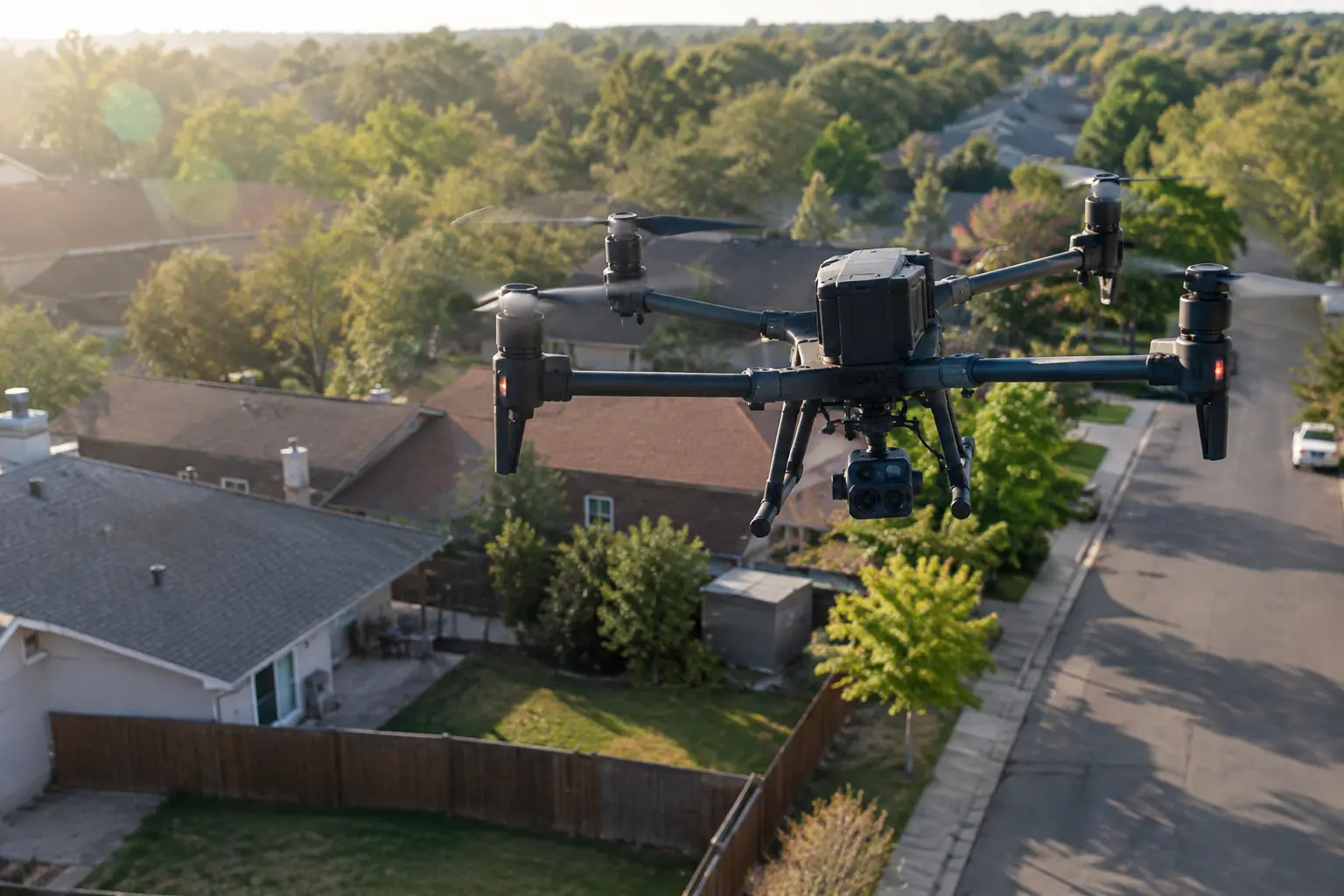
When someone asks how much is ag drone insurance, the honest answer is that it depends on a handful of interconnected factors. There's no single rate card for agricultural operations because the use cases vary so much. A fixed-wing mapping drone flying at 400 feet over open fields presents a different risk profile than a heavy-lift sprayer working near populated rural property. Underwriters price that difference deliberately.
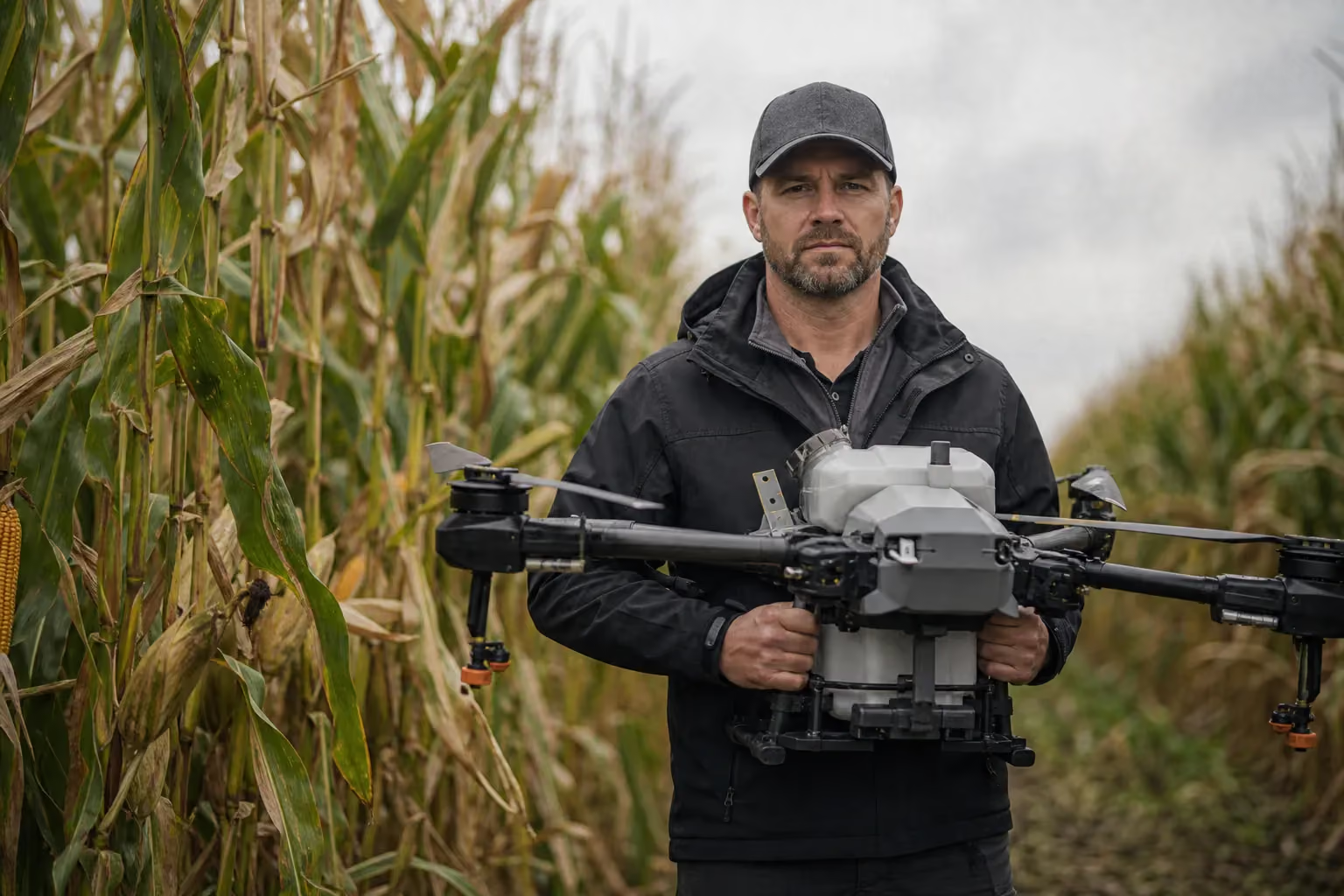
Aircraft value is one of the first things that moves the needle. A basic mapping drone valued at $3,000 carries a much lower hull replacement cost than a commercial spray drone priced at $25,000 or more. The higher the physical value of the aircraft, the more exposure the insurer takes on if the drone is lost or damaged. That cost gets factored into your ag drone insurance premium.
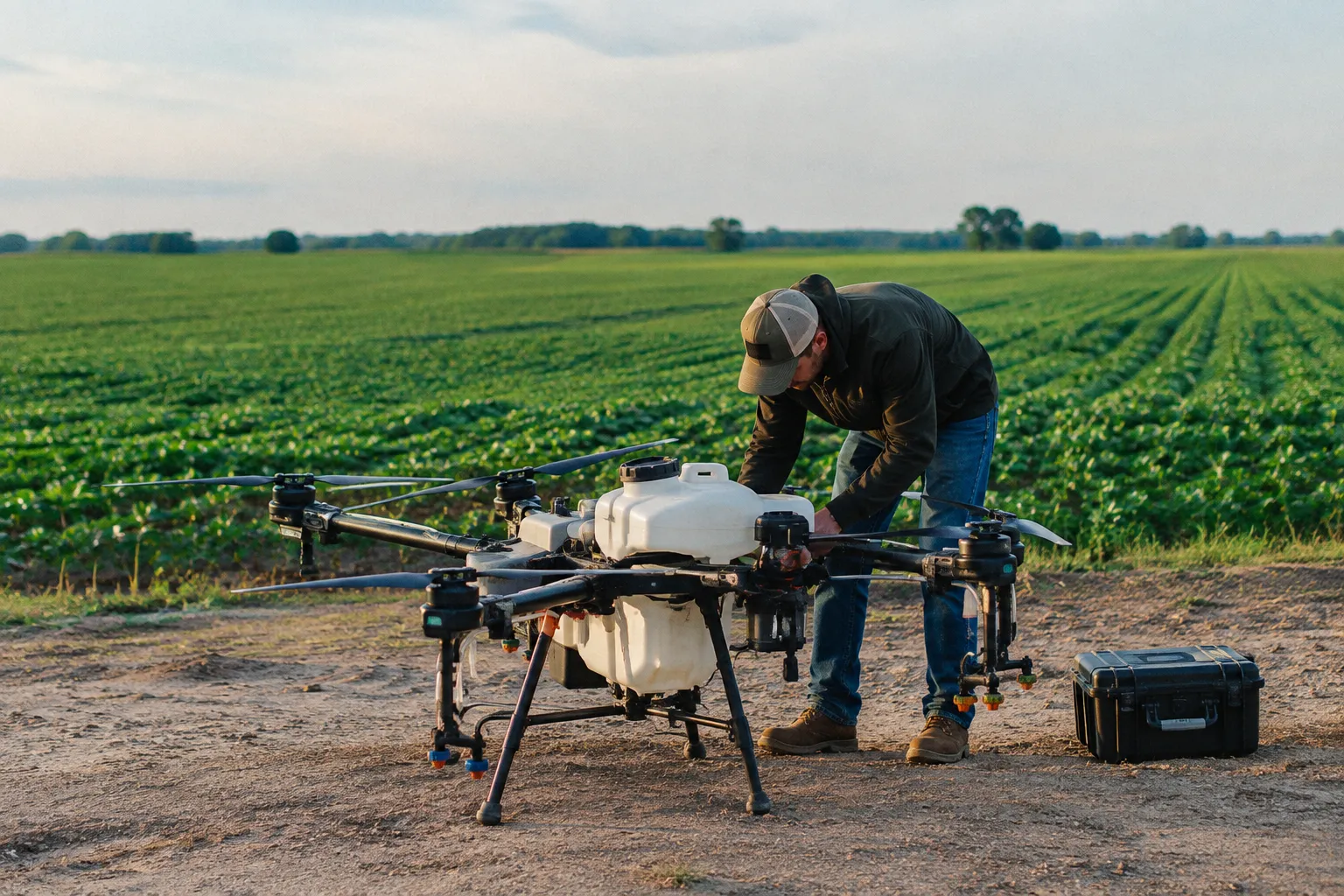
Operational use matters just as much as aircraft value. Mapping and surveying operations are generally considered lower risk than aerial application. Spray drones add a layer of liability that's specific to ag work: if chemicals are applied incorrectly or drift onto a neighboring property, the downstream damage can be substantial. We work with underwriters who specialize in ag drone operations, and they evaluate spray work very differently than they do imaging or inspection flights.
Location plays a bigger role than most operators expect. Flying over remote farmland in Nebraska is a different underwriting conversation than flying near suburban development, livestock, or high-value specialty crops. State regulations can also affect your rate, particularly in states with active pesticide application licensing requirements tied to drone operations.
Pilot experience and certification history are factors too. An operator with a Part 107 certificate, documented flight hours, and a clean claims history is going to get better pricing on agriculture drone insurance than someone who is newer to commercial operations. Some underwriters also look at whether the operator holds state pesticide applicator licensing, which signals a higher standard of training and compliance.
Coverage limits directly affect drone insurance pricing in agriculture. Most operators carry liability limits somewhere between $1 million and $2 million, but clients in commercial ag contracts sometimes require higher. The more liability coverage you carry, the higher the premium. That's true across all commercial drone insurance, not just ag.
Annual flight hours and operational frequency also factor in. A seasonal operator flying 50 hours a year carries less cumulative risk exposure than a full-time ag contractor putting in 500 hours across a growing season. More hours, more exposure, adjusted premium. Some policies are structured to account for seasonal use, which can work in your favor if you're not flying year-round.
At SkyWatch, we hear from operators who were surprised by their quote until they understood these variables. Our nearly perfect 5-star customer support team helps walk operators through what's driving their rate and what coverage adjustments make sense for how they actually work. Getting the right ag drone insurance isn't just about finding the cheapest number. It's about understanding what's covered, what's excluded, and whether the policy matches your actual operation.
The agriculture drone insurance cost range for most operators falls somewhere between a few hundred dollars per year on the low end for basic liability on lighter equipment, to several thousand annually for full hull and high-limit liability on spray operations. That range is wide because the operations themselves are wide-ranging. Your quote reflects your specific risk, not a general category.
Frequently Asked Questions
How much does agriculture drone insurance cost per year?
Annual agriculture drone insurance cost typically ranges from $400 to $3,000 or more depending on coverage type, aircraft value, and operational use. Spray drone operators generally pay more than mapping operators due to higher liability exposure. Liability-only policies for lighter equipment tend to sit at the lower end of that range.
Does ag drone insurance cover chemical drift damage?
Coverage for chemical drift varies by policy. Some commercial ag drone insurance policies include liability coverage for third-party property damage caused by pesticide drift, but this is not universal. Operators doing aerial application should confirm that their policy explicitly covers chemical application liability before flying commercially.
Is drone insurance required for commercial agricultural spraying?
There is no single federal requirement for drone insurance in agricultural spraying, but many commercial contracts and state pesticide licensing boards require proof of liability coverage. Some states tie pesticide applicator licensing to minimum insurance thresholds. Operators should check their state's agricultural department requirements and any contracts they're operating under.
How does hull insurance differ from liability insurance for ag drones?
Hull insurance covers physical damage to or loss of the drone itself, including crashes, equipment failure, and flyaways. Liability insurance covers damage your drone causes to third-party property or persons. Most ag drone operators need both, particularly those flying high-value spray equipment where a single incident could result in both a lost aircraft and damage to crops or property below.
Get a quote at skywatch.ai.