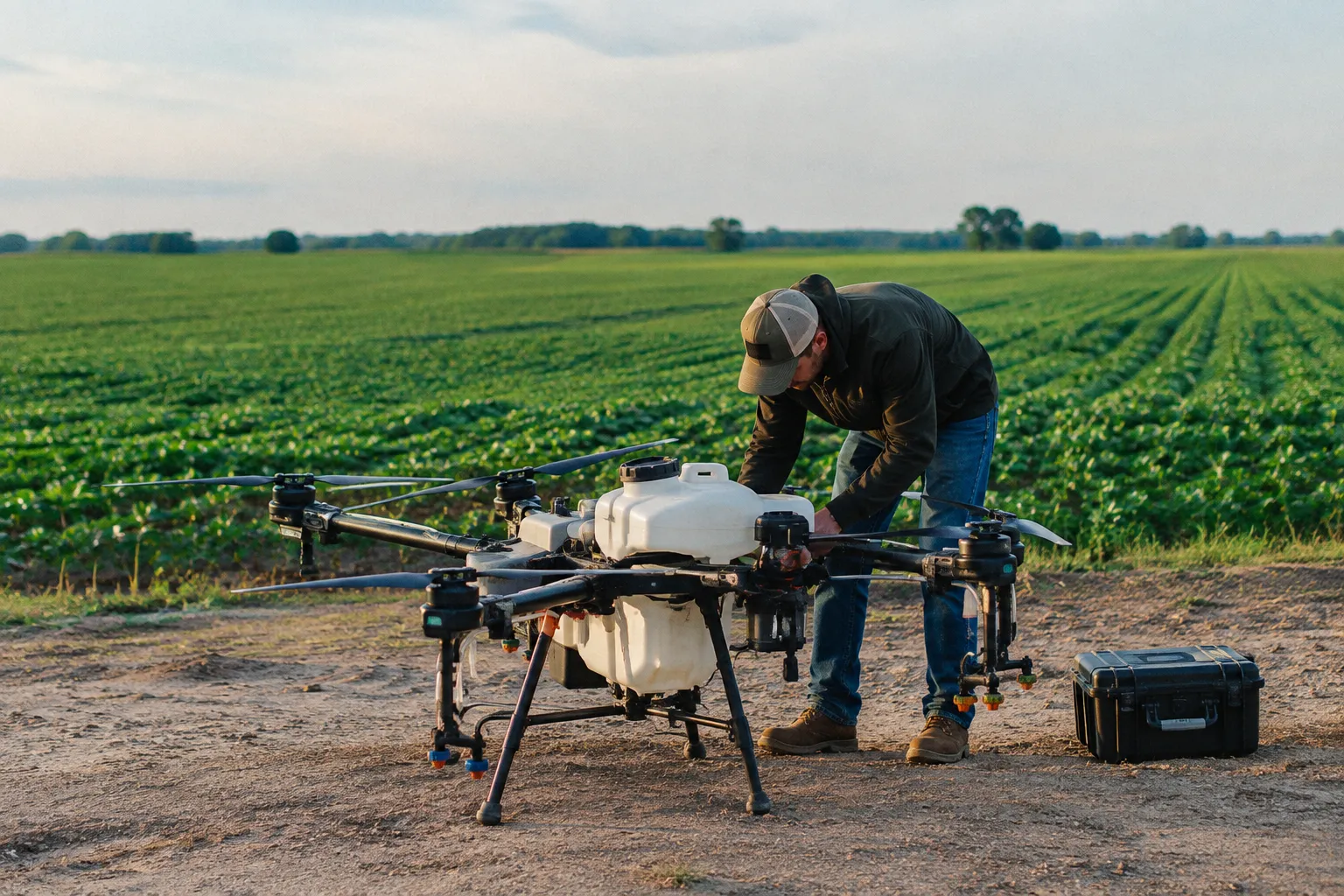
A construction mapping crew, a utility inspection team, a real estate photographer doing a neighborhood overview shot. What all three have in common is that their jobs routinely take them over land they do not own. And every one of them has probably wondered, at some point, what happens if something goes sideways over someone else's property.
The answer is not as simple as "your insurance covers it." Here is what commercial drone operators actually need to know.
The FAA controls airspace. Property owners control something else.
Part 107 gives you legal authorization to fly in FAA-controlled airspace. That airspace starts at the surface in most uncontrolled areas, which means you are technically operating lawfully even when your drone is 50 feet above a private backyard.
But federal airspace authority does not eliminate state-level trespass law or privacy law. Courts have not settled exactly where a property owner's rights end and navigable airspace begins at low altitudes. Several states have passed laws restricting drone flights over private property without consent, even at altitudes that are perfectly legal under FAA rules. Texas, Florida, and North Carolina all have statutes that can expose a commercial operator to liability for capturing images of private property without permission, regardless of altitude.
Your commercial drone insurance policy responds to liability claims. If a property owner sues you claiming their privacy was violated by footage your drone captured during a mapping job over adjacent land, your liability coverage may apply, but the outcome depends on how the claim is framed and what your policy actually covers.
What your liability policy responds to, and what it does not
Standard drone liability coverage is built around bodily injury and property damage. If your aircraft falls and breaks someone's fence, liability responds. If a bystander is hurt when you lose signal near a structure, liability responds.
Privacy claims are different. Most standard drone liability policies do not include privacy violation coverage by default. If a neighbor claims your drone photographed them in their backyard and sues for invasion of privacy, that claim may not fall within a standard liability policy's scope unless your policy specifically includes personal injury or privacy coverage.
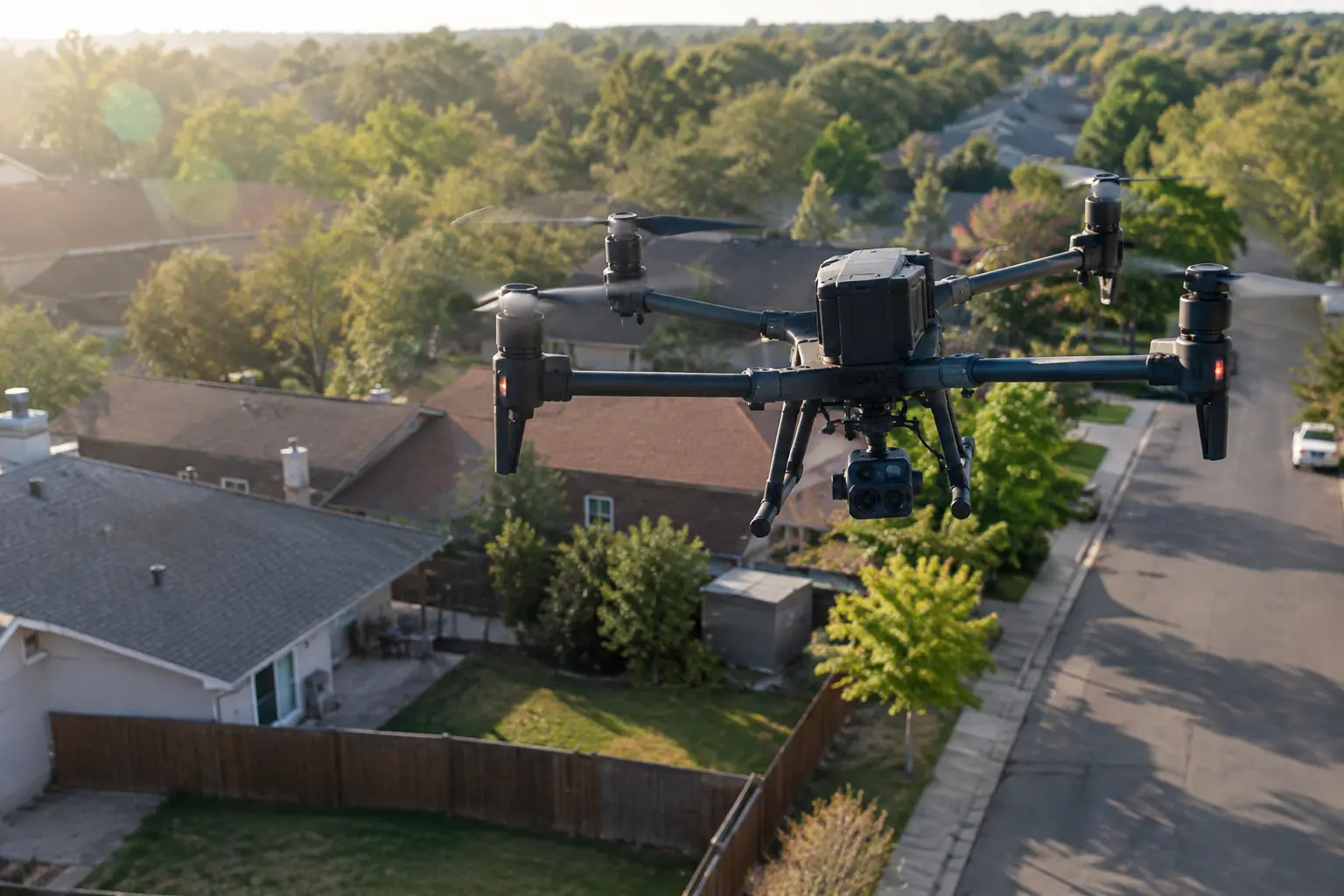
This is not an edge case. Operators doing construction surveys, agricultural inspections, or infrastructure work regularly fly near homes and adjacent lots. The fact that you had a legitimate commercial job does not insulate you from a property owner who believes their privacy was compromised.
Before your next job over or near private property, read your policy's definitions for covered claims. Look specifically for whether personal injury or privacy violation is listed as a covered cause of loss. If it is not there, ask your insurer about adding it.
Permission is not the same as coverage, but it still matters
Getting property owner permission before flying over private land does two things. First, it removes the legal basis for a trespass claim in most states. Second, it shows good faith if a dispute arises anyway.
For commercial work, a simple written acknowledgment from the property owner can make a real difference. It does not need to be a formal legal document. A dated email or a note in your job file confirming you had permission to fly over a specific parcel on a specific date gives you documentation that supports your position if a complaint is filed.
Your client may have that permission already. A contractor doing site mapping typically has property access rights built into their agreement with the landowner. Make sure you ask before you fly, and get that confirmation in writing so it sits in your job record.
How to protect yourself before the job starts
A few things to do before every commercial flight near or over private property:
Check your state's drone-specific privacy laws. They vary, and some carry real penalties for commercial operators.
Review your policy for privacy or personal injury coverage. If it is not included, contact SkyWatch to understand your options.
Ask your client whether they have written authorization to access or photograph the property. If the answer is unclear, get clarification before you fly.
Document your flight path and purpose. Job notes, screen-captured flight logs, and client communications all help establish that your operation had a legitimate commercial purpose if a dispute comes up later.
Flying commercially means operating in real-world environments, not sterile test zones. The property lines on a map do not always match what is below your drone. Knowing where your coverage applies, and where it does not, is part of running a professional operation.
FAQ
Does my drone insurance cover me if I fly over private property without permission?
Your liability coverage may respond if physical damage or bodily injury results from your flight. However, flying without permission can complicate a claim, and some policies include exclusions for intentional or unauthorized operations. Privacy claims from footage captured over private property are often outside standard liability coverage and require specific personal injury or privacy endorsements.
Can a property owner sue me for flying my drone over their land during a commercial job?
Yes. Even if your flight was legally authorized under FAA Part 107, state law may give property owners grounds to pursue a civil claim for trespass or invasion of privacy, particularly if footage was captured. The legal outcomes vary significantly by state, and several states have enacted statutes that create civil liability for drone photography over private property without consent.
Does getting permission from a property owner mean my insurance covers everything that happens?
Not necessarily. Permission removes the trespass exposure, but it does not change what your policy covers. A physical damage or personal injury claim can still arise even with permission, and whether your policy responds depends on the coverage you carry and how the claim is categorized.
What is personal injury coverage in a drone policy, and do I need it?
Personal injury coverage in a commercial drone policy typically extends liability protection to non-physical harms including privacy violations, defamation, and related claims. Standard drone liability policies are built around bodily injury and property damage. If your work involves flying near homes, capturing footage of private land, or operating in densely populated areas, personal injury coverage is worth reviewing with your insurer.
How do I know if my state has specific drone privacy laws?
The FAA's website lists airspace rules but does not track state-specific privacy statutes. Your best starting point is to search your state's legislative database for UAS or drone statutes. Texas, Florida, North Carolina, and several other states have enacted drone-specific privacy laws that apply to commercial operators. If you work across multiple states, it is worth building a quick reference for the states you fly in most often.