Custom applicators who fly drones for hire are operating in a different risk category than hobbyists or even most commercial drone pilots. You're applying pesticides, fungicides, or fertilizers on land you don't own, for clients who expect results, and with equipment that costs tens of thousands of dollars. That combination demands insurance built for what you actually do, not a generic policy that leaves you exposed the moment something goes wrong.
If you run a commercial ag drone application business, this guide is for you.
Insurance Considerations When You Fly for Hire on Other Farms
Flying on your own property is one thing. Flying on a client's farm, over their crops, near their irrigation equipment, adjacent to their livestock, that's a different conversation entirely. Custom applicator drone insurance needs to account for third-party liability in a way that standard drone policies often don't.
The biggest gap we see with operators who are new to the ag drone service business is assuming their existing drone insurance automatically covers commercial spraying work. It frequently doesn't. Many general aviation-style drone policies exclude chemical application or limit coverage to owned property. When you're flying for hire, you need a policy that explicitly covers that use case, including liability for crop damage caused by drift, overspray, or equipment malfunction.
Drift is worth calling out specifically. If your drone applies product that moves onto a neighboring field, or the wrong field entirely, the liability exposure can be substantial. A good agriculture drone insurance policy covers this. A cheap, one-size-fits-all policy often won't.
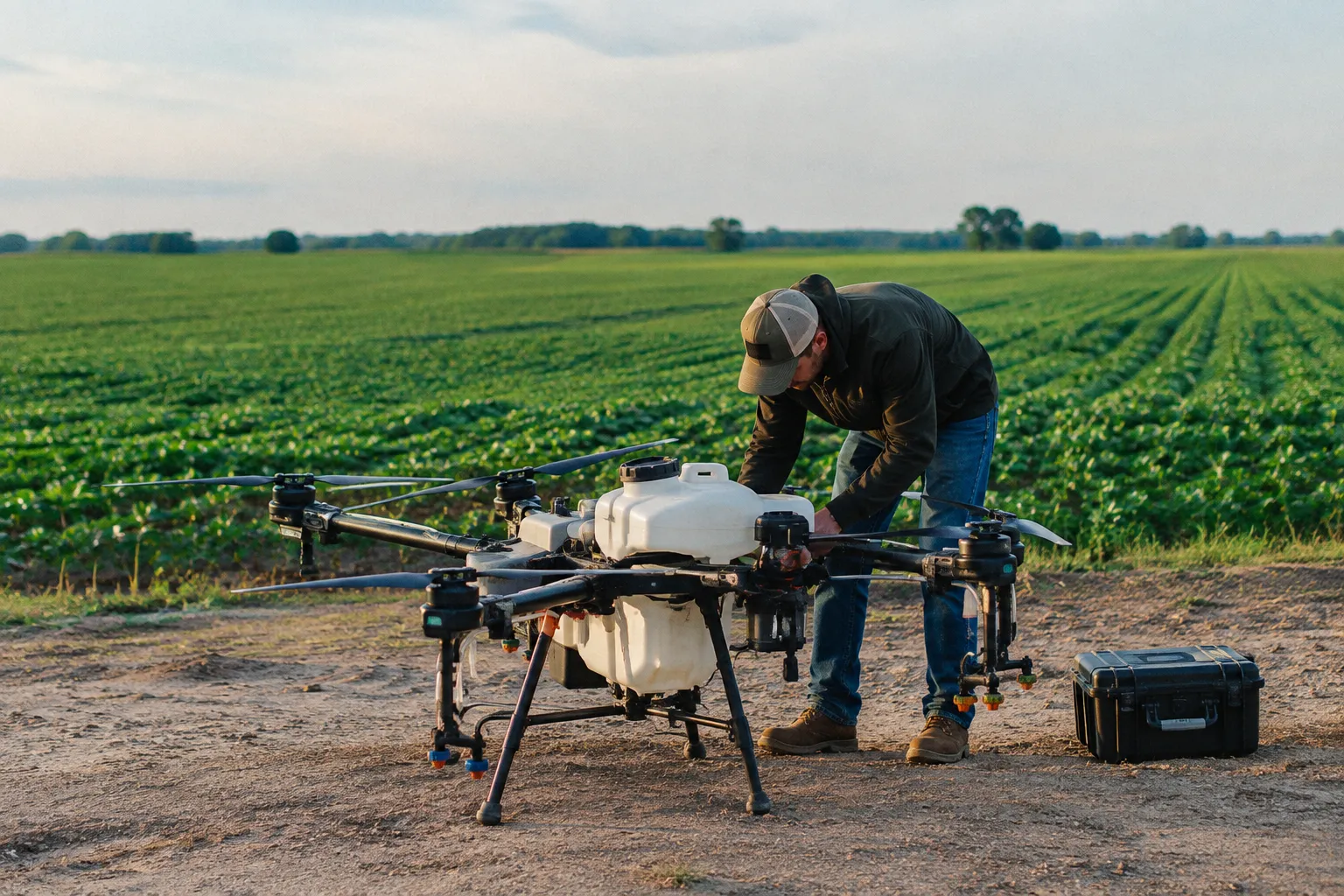
Hull coverage is the other piece most operators underestimate. Agricultural drones used for spraying, think platforms like the DJI Agras series or the XAG P100, are expensive. Replacement costs can run from $15,000 to well over $30,000 once you factor in tanks, pumps, and accessories. If your aircraft goes down mid-season because of a mechanical failure or a collision with a tree line, you need a claim to get you back in the air fast. Downtime in the middle of a spray window is lost revenue, not just an inconvenience.
There's also the question of your client agreements. More and more large farming operations and ag retailers are requiring proof of insurance before they'll let a custom applicator onto the property. Having the right commercial drone insurance in place, with the ability to add additional insureds, makes that conversation easy instead of awkward.
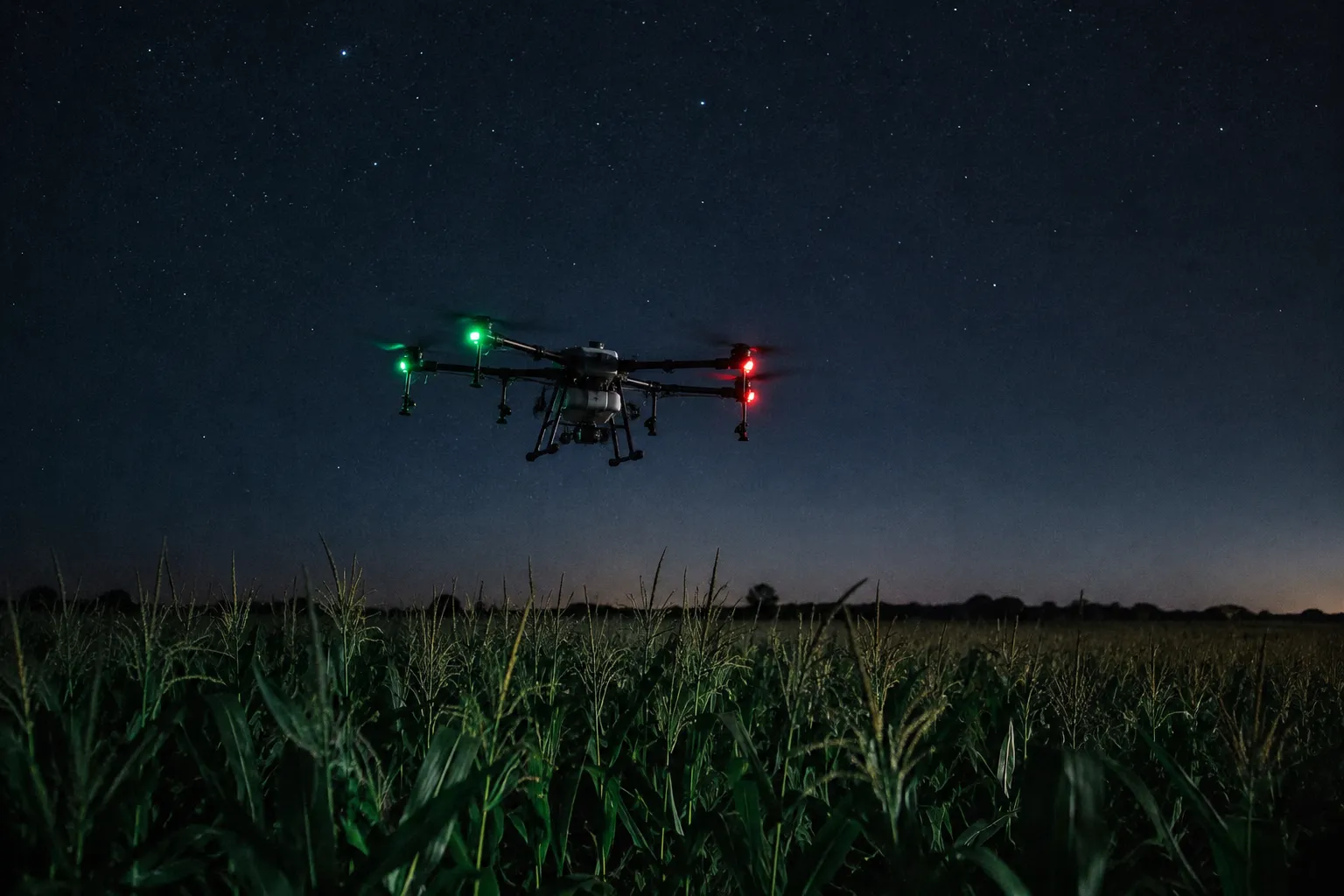
We work with underwriters who specialize in ag drone operations, which means we can actually match your coverage to the work you're doing, not just issue a generic policy and hope it holds up. We've issued more than 300,000 commercial drone insurance policies, and we understand the difference between a real estate photographer's risk profile and someone flying a 50-liter tank over a corn field at 3 a.m. to beat the heat. Those are not the same risk. They shouldn't have the same policy.
Custom applicator drone insurance should also reflect your operational scale. Are you a solo operator with one aircraft, or do you have a fleet? Are you doing a few hundred acres a season or tens of thousands? Coverage limits, deductibles, and even premium structures can be adjusted to fit a growing drone spraying business insurance program rather than forcing you into a box that doesn't quite fit.
One more thing worth mentioning: our nearly perfect 5-star customer support means that when you have a question about your policy, or when you need to file a claim during a busy season, you're not navigating an automated phone tree. You get real answers, fast. That matters when your livelihood depends on getting back to work.
If you're building an ag drone service business coverage strategy from scratch, start with liability limits that reflect the value of the crops you're working around. A single field of specialty crops can represent hundreds of thousands of dollars. Your coverage should be proportionate to that exposure, not just the minimum required to say you have a policy.
Frequently Asked Questions
How much does custom applicator drone insurance typically cost?
Premiums vary based on factors like aircraft value, annual flight hours, coverage limits, and the type of application work being done. Most small to mid-scale custom applicators can expect to pay somewhere between $1,500 and $5,000 per year for a policy that includes hull coverage and commercial liability. Operators with larger fleets or higher liability limits will see higher premiums.
Does standard drone insurance cover chemical application and spray drift liability?
Not always. Many general commercial drone policies exclude chemical application or contain broad pollution exclusions that can be interpreted to include pesticide drift. Custom applicators need a policy that explicitly covers aerial application work and third-party liability for drift or overspray incidents. Always read the exclusions before purchasing.
What liability limits should a custom applicator drone business carry?
Most industry professionals recommend a minimum of $1 million per occurrence for commercial spraying operations, with many larger clients and ag retailers requiring at least that to allow access to their property. Operators working around high-value specialty crops or near residential areas may want to carry $2 million or more.
Can I add a farm client as an additional insured on my ag drone policy?
Yes, and this is a common requirement. Most commercial ag drone insurance policies allow you to add additional insureds, which protects your client in the event of a claim arising from your operations on their property. The ability to issue certificates of insurance quickly is an important feature to look for when selecting a provider.
Ready to get your custom applicator drone insurance sorted? Get a quote at skywatch.ai.