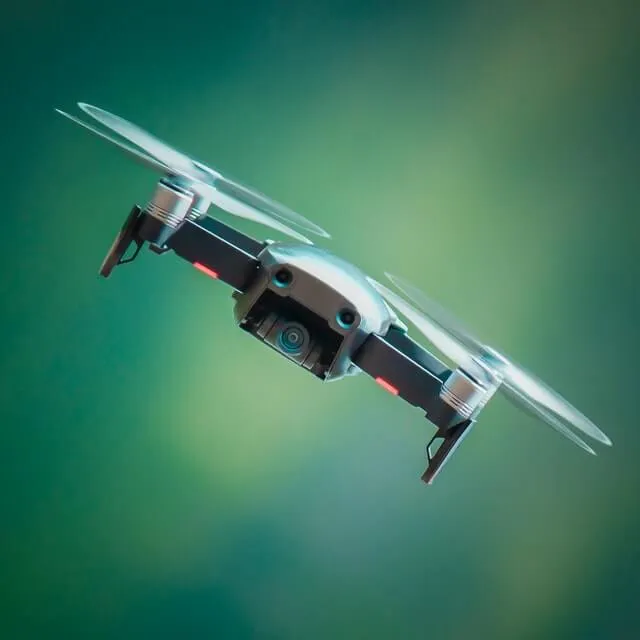
If you fly a crop spraying drone for a living, you already know the stakes are different from recreational flying. You're operating heavy, chemical-loaded aircraft over working farms, near equipment, near people, and sometimes near livestock. One mechanical failure or a gust of wind at the wrong moment can turn a routine application run into a serious problem. That's why understanding agriculture drone insurance coverage types matters before something goes wrong, not after.
The two core coverage types you'll encounter are hull insurance and liability insurance. They protect against completely different risks, and confusing them, or skipping one entirely, can leave you exposed in ways you won't realize until a claim is on the table.
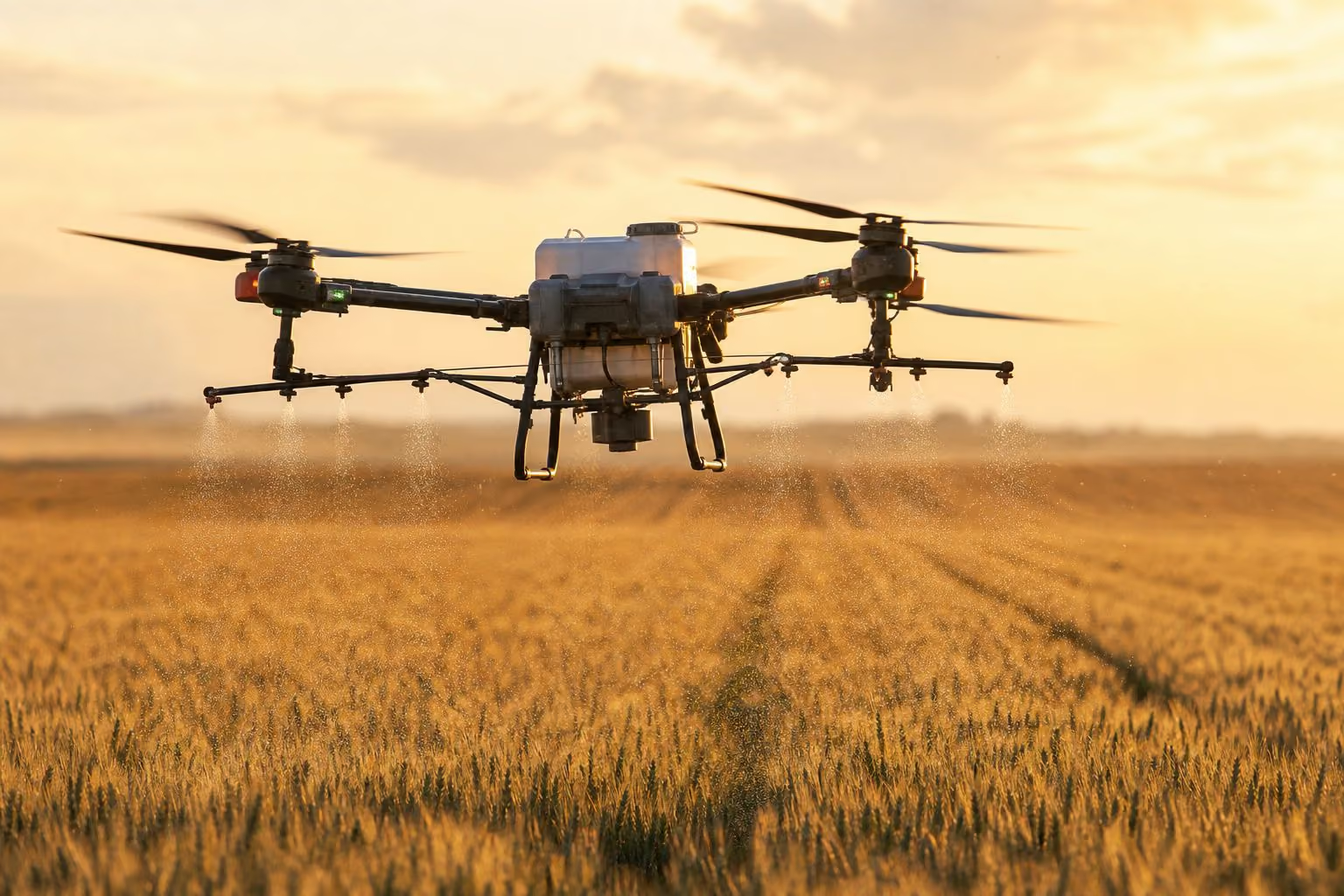
Hull insurance covers the drone itself. If your aircraft crashes, gets damaged in transport, or suffers a mechanical failure that results in a total loss, drone hull insurance is what pays for the repair or replacement. For ag drones, this matters more than it does for a small photography quad. A capable crop spraying platform can run anywhere from $15,000 to well over $50,000 when you factor in tanks, pumps, and spreader systems. Flying without hull coverage means you're one hard landing away from absorbing that cost yourself.
Ag drone liability coverage is a different animal entirely. It doesn't protect your equipment. It protects you when your equipment, or your operations, cause harm to someone else. That includes property damage, bodily injury, and third-party crop damage. If you're spraying a field and drift carries chemicals onto a neighboring property or damages an adjacent crop, liability coverage is what stands between you and a lawsuit. The same applies if your drone loses signal and comes down on a piece of equipment, a structure, or, in a worst case, a person.
At SkyWatch, we've issued more than 300,000 commercial drone insurance policies, and ag operations consistently show us that liability claims are less frequent than hull claims but far more expensive when they happen. A crashed drone is a bad day. A third-party chemical drift claim that wipes out a neighboring field is potentially a business-ending event without proper coverage.
How to Choose the Right Coverage Mix for Your Spraying Operation
Most professional ag drone operators need both types of coverage, but the right limits depend on what you're flying, where you're flying it, and who's hiring you. Understanding ag drone insurance coverage types means looking at your specific risk profile, not just picking the cheapest plan available.
Start with the replacement value of your aircraft and be honest about it. That figure is your floor for hull coverage. Then think about liability limits in the context of the farms you're contracted with. Large commercial operations often require minimum liability limits in their vendor agreements, sometimes $1 million or more. Crop spraying drone insurance policies that include both hull and liability under a single policy tend to be more cost-effective than piecing them together separately, and they eliminate gaps that can appear when two different insurers disagree over which policy covers a claim.
We work with underwriters who specialize in ag drone operations, which means the policies we write are built around the actual risks of agricultural flying rather than adapted from general aviation templates. Chemical payload, application altitude, field proximity to structures, all of it factors into how a solid ag policy should be written.
One thing operators often overlook is payload liability. Standard commercial drone insurance may not automatically cover damage caused by what the drone is carrying, specifically the chemicals. If your policy doesn't explicitly address chemical application liability, you may have a coverage gap that only becomes visible when a claim is filed. That's a gap worth closing before the spray season starts.
SkyWatch policies are flexible by design. You can get coverage on a per-flight basis or as an annual policy, depending on how often you fly and whether this is a full-time operation or seasonal work. Our nearly perfect 5-star customer support rating reflects the fact that when operators have questions about their coverage, they get real answers from people who understand what they're actually doing in the field.
Getting the right mix of agriculture drone insurance coverage types isn't complicated, but it does require knowing what each policy actually covers and where the edges are.
Frequently Asked Questions
How much does crop spraying drone insurance typically cost?
Annual premiums for crop spraying drone insurance vary based on aircraft value, liability limits, and flight frequency. A basic annual policy with $1 million in liability coverage typically starts around $500 to $1,500 per year for a single aircraft. Higher-value aircraft and higher liability limits will increase that figure. Per-flight options are available for operators who fly seasonally or infrequently.
Does standard commercial drone insurance cover chemical drift damage?
Not always. Standard ag drone liability coverage may exclude damage caused by the application payload itself, including chemical drift. Operators should verify that their policy explicitly includes coverage for third-party property damage resulting from chemical application. Policies written specifically for agricultural drone operations are more likely to include this than general commercial drone policies adapted from other categories.
Is drone hull insurance required by law for ag operators?
Hull insurance is not legally required by the FAA or most state regulations. However, many agricultural contractors and farm operators require proof of both hull and liability coverage before hiring a drone applicator. Lenders or leasing companies that finance ag drone equipment often require hull coverage as a condition of the financing agreement.
What liability limits should a commercial ag drone operator carry?
Most professional ag drone operators carry a minimum of $1 million per occurrence in liability coverage. Some larger commercial farming contracts require $2 million or more. The right limit depends on the scale of the operations you're servicing and any contractual requirements your clients impose. Higher limits are generally available and add relatively modest cost compared to the risk they cover.
Ready to protect your operation with the right agriculture drone insurance coverage types? Get a quote at skywatch.ai.