If you're running a commercial ag drone operation, whether you're spraying fields, scouting crops, or mapping acreage, your insurance needs are different from a real estate photographer or a videographer flying over a concert. Agriculture drone insurance coverage types are not one-size-fits-all, and the gap between hull coverage and liability coverage can be the difference between a manageable loss and a financial hit that shuts you down for the season. Let's break down what each one actually does and why you likely need both.
What Is Drone Hull Insurance for Farmers?
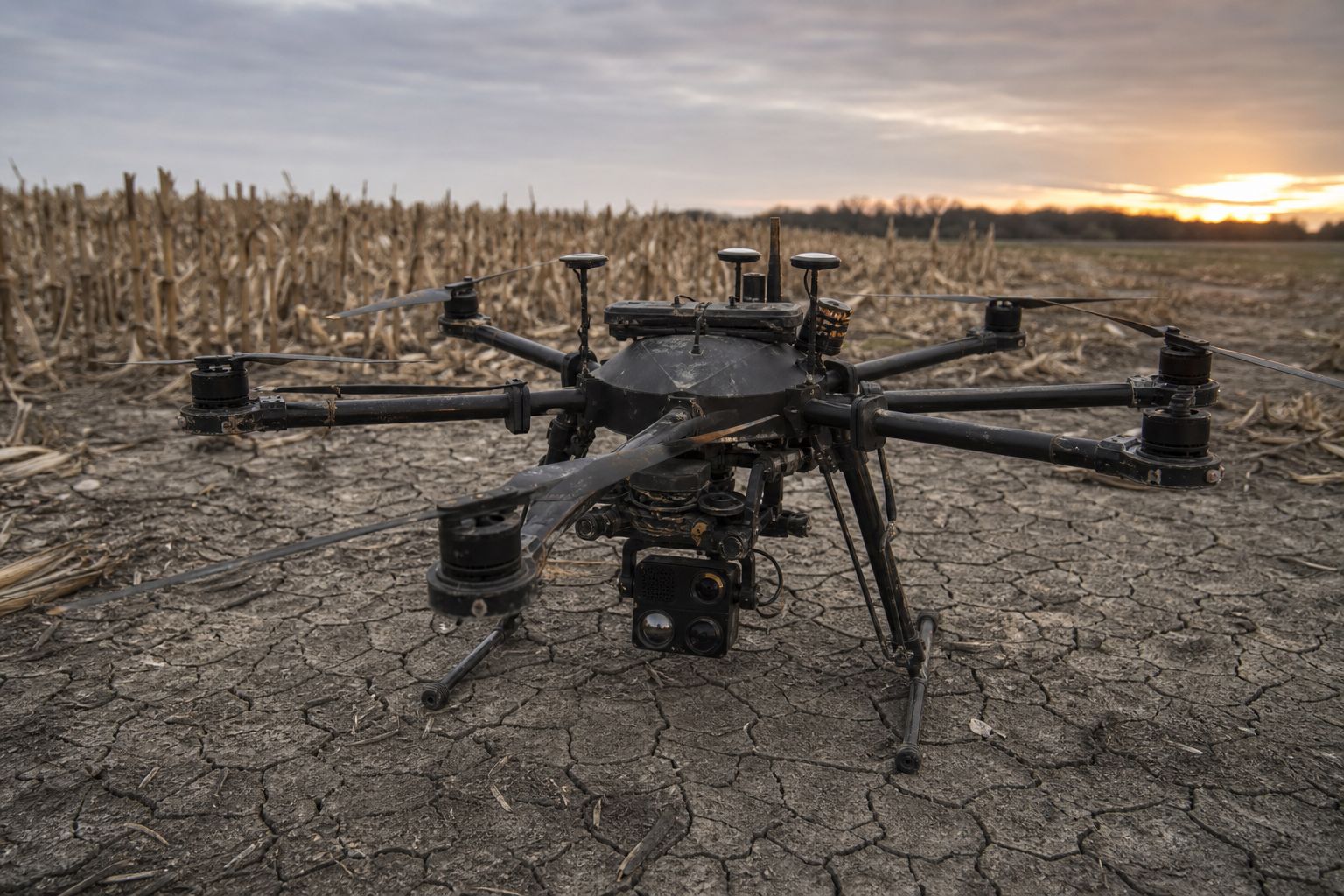
Hull coverage is pretty straightforward. It protects the physical aircraft itself. If your ag drone goes down in a cornfield, gets clipped by a gust during a spray run, or takes damage during transport, hull insurance for farmers covers the repair or replacement cost. Ag drones are expensive pieces of equipment. A commercial crop spraying rig can run anywhere from $10,000 to well over $30,000 once you factor in tanks, pumps, and precision hardware. Flying that kind of asset without drone hull insurance farmers rely on is a real risk.
Hull coverage is typically offered as either agreed value or actual cash value. Agreed value means you and the insurer settle on a number upfront, and that's what you get paid in a total loss, no depreciation applied. Actual cash value factors in depreciation, which means older drones pay out less. For ag operations that run their drones hard across planting and harvest seasons, agreed value is usually worth the slightly higher premium.
One thing to watch for: some policies exclude damage caused by chemical exposure. If you're running crop spraying drone insurance, you want to confirm that your hull coverage doesn't have a carve-out for corrosion or contamination from the chemicals you're applying. We work with underwriters who specialize in ag drone operations, and this is exactly the kind of clause they know to flag.
What Is Ag Drone Liability Coverage?
Liability coverage is a different animal. It doesn't protect your drone. It protects you from claims made by other people. If your aircraft drifts off course and damages a neighboring farm's crop, or worse, injures someone on the ground, liability coverage is what steps in. Ag drone liability coverage pays for legal defense costs, settlements, and judgments up to your policy limit.
In agriculture, the liability exposure can be significant. Drift incidents, mid-air collisions near other aircraft working the same area, damage to irrigation equipment, or accidental contact with livestock are all real scenarios. A single liability claim in an ag context can easily reach six figures. This is where agriculture drone insurance coverage types really matter. Many operators default to a basic liability policy designed for recreational or media drones. That's often the wrong fit.
The FAA requires liability coverage for commercial drone operators in many situations, and landowners or co-ops may require proof of coverage before you fly on their property. Make sure your limits are high enough to satisfy those requirements. $1 million per occurrence is a common floor, but some agricultural clients ask for $2 million or more.
How to Choose the Right Coverage Mix for Your Farming Operation
Most ag drone operators need both hull and liability coverage, but the right balance depends on your specific setup. If you own a fleet of high-value spray drones, hull coverage should reflect the replacement cost of your most expensive aircraft. If you're contracting across multiple farms and flying near populated areas or public roads, your liability limits should be correspondingly high.
Consider how you're operating, too. Solo operators flying their own land have different exposure than a drone service provider flying across dozens of client farms throughout a season. Ag drone insurance policies can often be structured to match either use case, including per-flight options for operators who don't fly year-round.
We've issued more than 300,000 commercial drone insurance policies, and the pattern we see with ag operators is clear: the ones who get into trouble are almost always either underinsured on hull because they didn't account for equipment upgrades, or underinsured on liability because they used a policy built for a different industry. Agriculture drone insurance coverage types exist because agricultural flying has specific exposures that general drone policies weren't built around.
If you're not sure where your gaps are, that's actually the best place to start. A policy review with someone who understands agriculture drone insurance can surface coverage holes you might not have known were there. Our nearly perfect 5-star customer support team can walk you through your current policy or help you build one from scratch. And because we work with underwriters who specialize in ag drone operations, you're not getting a generic policy with agriculture language pasted in.
For operators doing any kind of commercial drone insurance shopping, the most important thing is to compare coverage terms, not just price. A cheaper policy that excludes chemical exposure or caps liability at $500,000 may cost you far more after a claim than a properly structured policy would have cost upfront.
Frequently Asked Questions
How much does agriculture drone insurance cost per year?
Annual premiums for agriculture drone insurance coverage types vary based on aircraft value, liability limits, and flight activity. A basic policy covering a single ag drone with $1 million in liability typically starts around $500 to $1,000 per year. Larger fleets or higher liability limits will cost more. Per-flight policies are also available for seasonal operators who don't need year-round coverage.
Does standard drone insurance cover crop spraying operations?
Not always. Standard drone insurance policies are often written for media, inspection, or mapping use cases and may exclude chemical exposure damage or drift-related liability. Crop spraying drone insurance should be specifically underwritten for agricultural applications to ensure hull coverage includes chemical-related damage and liability coverage addresses drift incidents and crop damage claims.
What liability limits do farmers or landowners typically require before allowing drone spraying on their property?
Most commercial agricultural clients and landowners require a minimum of $1 million per occurrence in liability coverage. Some larger farming operations or cooperatives request $2 million or more. Always confirm the contractual requirement before starting a job, as flying without the required limit can void your contract and leave you personally exposed to claims.
Is hull coverage required by the FAA for commercial ag drone operators?
The FAA does not require hull coverage for commercial drone operators. Hull insurance is voluntary and protects the operator's own equipment investment. The FAA does have rules around liability exposure, and many commercial contracts independently require liability coverage. Drone hull insurance for farmers is strongly recommended given the high replacement cost of modern agricultural UAVs.
Ready to get your ag drone operation properly covered? Get a quote at skywatch.ai.