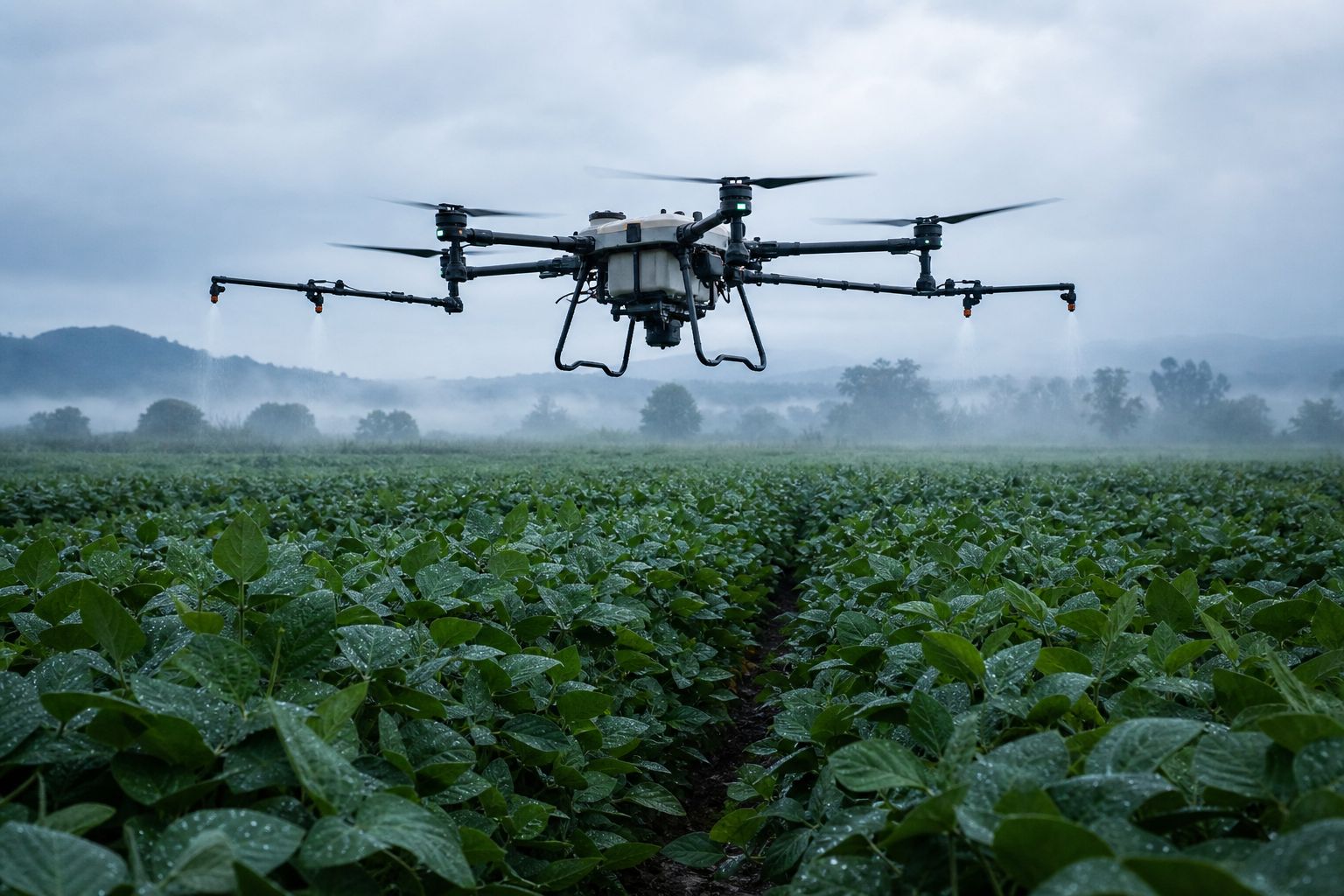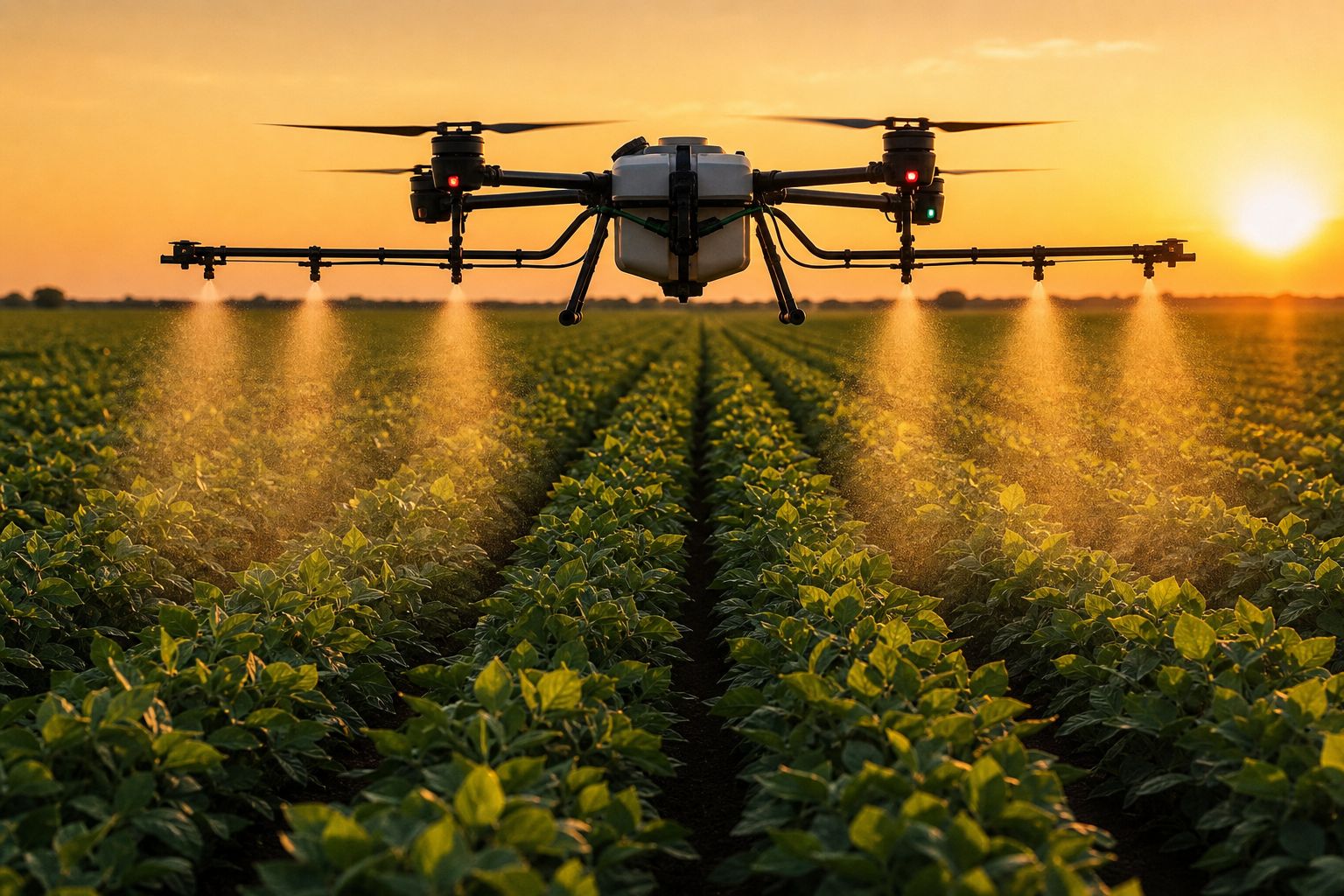
Crop spraying drones have moved from novelty to necessity on farms across the country. They cut labor costs, reduce chemical runoff, and cover ground faster than ground rigs in tight or wet conditions. But with that capability comes a specific set of risks that standard drone policies are not built to handle. If you're operating a spray drone commercially, your insurance needs to match what you're actually doing.
What Liabilities Are Unique to Spray Drone Operations?
Most commercial drone operations carry some risk of property damage or bodily injury from a crash. Spray drone operations carry all of that, plus the risk of chemical drift, crop damage to neighboring fields, water contamination, and pesticide exposure to third parties. Those are not hypothetical scenarios. Drift incidents happen even with experienced operators and proper calibration. When they do, the liability can extend far beyond the flight zone.
Standard hull and liability policies cover physical damage and basic third-party injury or property claims. They are not written to address pesticide drone liability. An operator who damages a neighbor's organic crop certification through chemical drift, for example, could be facing a claim that runs into the tens of thousands of dollars. That kind of exposure needs coverage that's specifically designed for ag operations. That's where agriculture drone insurance built around spray applications becomes essential rather than optional.
There's also the question of chemical payload. Some underwriters treat the chemical tank as a separate liability exposure. Others fold it in. Knowing which approach your policy takes matters, because a gap there is exactly where a claim can fall through.
Crop spraying drone insurance should also account for equipment value accurately. Spray drones are expensive. A fully equipped commercial unit with tanks, pumps, and nozzle systems can cost $15,000 to $30,000 or more. Hull coverage that reflects replacement cost, not depreciated value, is worth verifying before you need it.
At SkyWatch, we've issued more than 300,000 commercial drone insurance policies, and ag spray operations consistently come up as one of the categories where operators are most likely to be underinsured. Not because they skipped coverage, but because they bought a policy that wasn't written for what they're doing. We work with underwriters who specialize in ag drone operations, so the coverage terms reflect real-world spray risks, not just standard UAS language.
State and local requirements add another layer. Some states require proof of agricultural spray drone coverage before you can obtain a commercial pesticide applicator license to operate a drone. Others may require it as part of a farm contract or custom application agreement. Checking those requirements before you fly commercially is not optional. A certificate of insurance that doesn't meet the required limits or cover the right exposures won't satisfy a contract or a regulator.
Ag drone operator insurance should also keep pace with your operation. If you add aircraft, expand your service area, or start handling more restricted-use pesticides, your policy needs to reflect that. A policy that matched your operation a year ago may leave gaps today. Reviewing coverage annually, or when operations change significantly, is a straightforward practice that prevents problems.
For operators who are newer to commercial spray work, the learning curve on insurance can feel steep. The terminology is different from general aviation policies, and ag-specific riders are not always clearly explained. Our customer support team has a nearly perfect 5-star rating because we make a point of walking operators through what they're buying, not just processing a form. That matters when the stakes involve crop damage claims or pesticide drift disputes.
If you're buying commercial drone insurance as a spray operator, look at what the policy actually covers for chemical liability, whether the hull value matches your real equipment cost, and whether the liability limits are high enough for the scale of farms you're working. A $1 million liability limit sounds significant, but on a large commercial operation, it may not be enough. Many custom applicators are now being required to carry $2 million or more.
Good agricultural drone insurance for spray operations isn't about checking a box. It's about making sure the policy you carry actually responds when something goes wrong. Because in spray work, the incidents that happen tend to be expensive ones.
Frequently Asked Questions
How much does crop spraying drone insurance cost?
Premiums vary based on aircraft value, liability limits, coverage type, and operational scope. Most commercial spray drone operators pay between $800 and $2,500 annually for a policy that includes hull coverage and agricultural liability. Operators running larger fleets or higher-value equipment will pay more. Getting a quote based on your specific setup is the most accurate way to know your cost.
Does standard drone insurance cover pesticide drift damage?
Standard UAS liability policies typically do not include explicit pesticide drift or chemical contamination coverage. Spray drone operators need a policy with ag-specific liability language that addresses chemical drift, crop damage to third-party fields, and pesticide exposure claims. Always confirm whether chemical payload liability is included or excluded before binding coverage.
Is crop spraying drone insurance required by law?
There is no single federal mandate, but several states require proof of insurance as part of the commercial pesticide applicator licensing process for drone operators. Additionally, private farm contracts and custom application agreements frequently require minimum liability limits and a certificate of insurance. Requirements vary by state and client, so operators should verify both before starting commercial spray work.
What liability limits do commercial spray drone operators typically need?
Most commercial ag spray operators carry at least $1 million in liability coverage. Larger operations or those working under formal contracts with farms or co-ops are increasingly required to carry $2 million or more. Some contracts also require the insurer to be rated by AM Best, so verifying your carrier's rating is worth confirming when you bind a policy.
Ready to get covered for your spray operation? Get a quote at skywatch.ai.