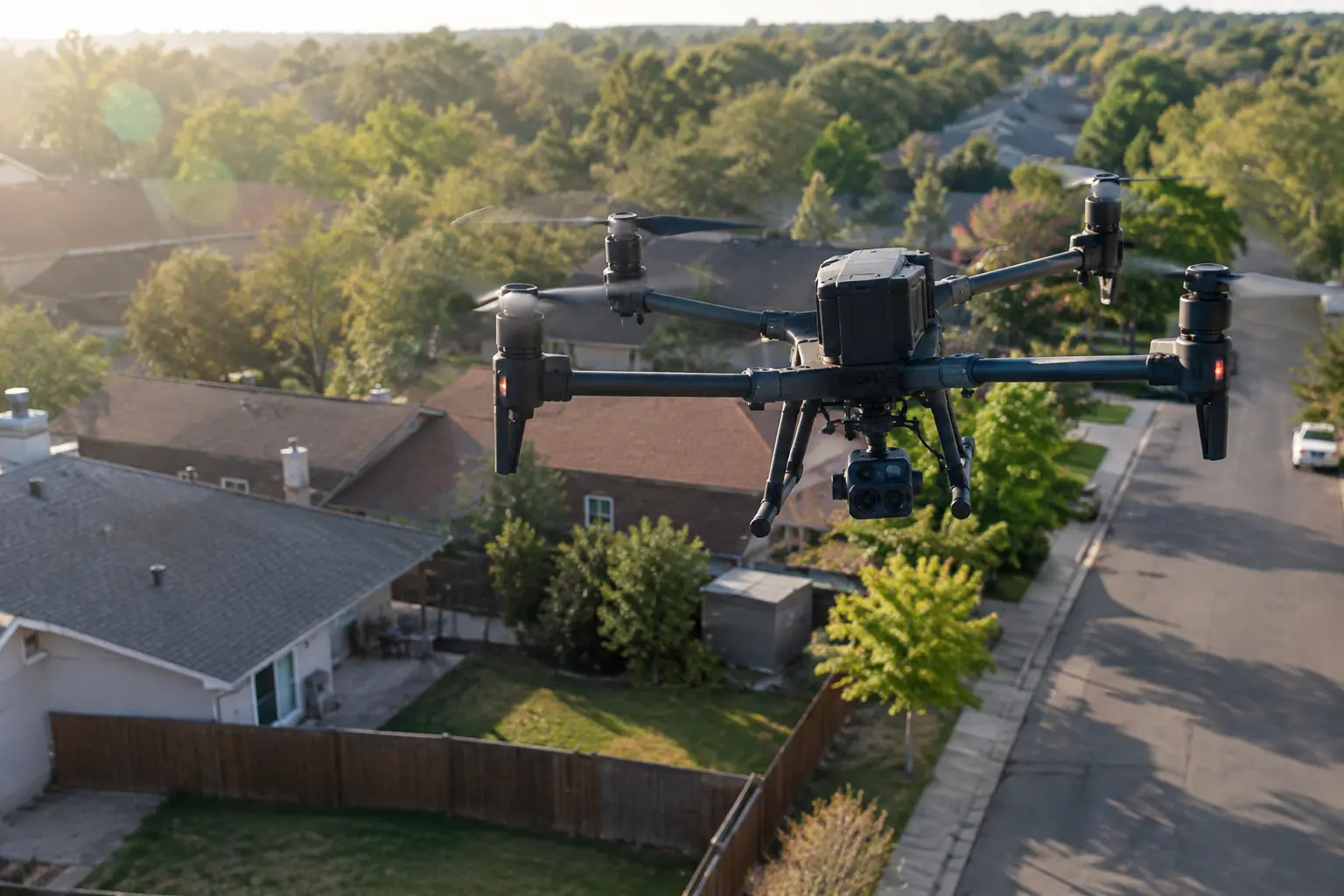

Most ag drone operators spend more time reading the manual for their aircraft than they do reading their insurance policy. That's understandable. The manual tells you how to fly. The policy feels like legal fine print written by someone who has never touched a controller. But your agriculture drone insurance policy is a contract, and the terms in that contract determine exactly what is and is not covered when something goes wrong in the field. Knowing where to look before something happens is worth every minute you put into it.
Start With the Declarations Page
The declarations page, sometimes called the "dec page," is the one-page summary at the front of your policy. It lists the policy period, the named insured, and the core numbers. Most operators glance at it to confirm the coverage dates and move on. That's a mistake.
Two numbers on that page deserve your full attention. The first is the stated value or agreed value of your aircraft. This is what the insurer will pay if your drone is totaled or stolen. If you bought a new spray drone for $18,000 and the dec page shows $12,000, you have a gap. Equipment values can be entered incorrectly during the application process, or your setup may have changed since you first enrolled. Check that number against your actual replacement cost every single year.
The second number is your liability limit. For ag operators, this matters more than almost anything else. You are flying over crops, near equipment, near people, and sometimes over neighboring properties. A liability limit of $500,000 might feel like a lot until you account for a chemical release event or property damage to an expensive irrigation system. Know your limit, and know whether it applies per occurrence, per policy period, or both.
Named Insured vs. Additional Insured: Not the Same Thing
The named insured is the person or business entity the policy is written for. The additional insured is someone else who has been added to the policy, usually at the request of a landowner, co-op, or grower who wants protection if your operation causes them harm. These two roles carry very different levels of protection.
If you are operating under contract for a large grower operation and they ask to be listed as an additional insured, review what that actually means in your specific policy language. Additional insureds typically receive liability protection but do not have the same rights as the named insured when it comes to making changes, receiving notices, or getting paid for physical damage to your aircraft. If you have employees or subcontract pilots flying under your operation, the named insured question gets more complicated. Confirm that your policy actually covers pilots beyond yourself before someone else takes the sticks.
The Exclusions Section Is Where You Actually Learn What Is Not Covered
Every policy has an exclusions section, and for ag drone operators, four categories in that section are worth reading carefully.
Chemical and pollution exclusions are common. Many general liability policies exclude bodily injury or property damage arising from the release, dispersal, or migration of chemicals. If you are running a spray operation with herbicides or fungicides, find out specifically how your policy defines pollution and whether your spraying activities fall under that definition. Some commercial drone insurance policies written for ag applications address this directly. Others do not. You need to know which category yours falls into.
Geographic exclusions define where your policy applies. Most standard policies cover operations within the United States, but some have state-level restrictions or exclude operations near international borders. If you are working in border regions or plan to take contracts in different states, verify the geographic scope.
Unlisted pilot exclusions are straightforward but often overlooked. If your policy requires that all pilots be listed by name, then any flight conducted by an unlisted operator may not be covered. If your operation grows and you bring on a seasonal worker to handle spray runs, get them listed before they fly a single acre.
Non-approved operations refer to activities outside the scope of what your policy was written to cover. If your policy was issued for crop scouting and you start using the same aircraft for aerial application, you may be operating outside your approved use category. Policies are written around specific operations. When your operations change, your policy needs to reflect that.
Use the Definitions Section as Your Reference Point
Near the back of most policies is a definitions section. It looks like legal boilerplate, but it is actually your translation guide. Words like "occurrence," "bodily injury," "property damage," and "aircraft" often have specific meanings within the policy that differ from everyday usage. If you read a coverage clause and wonder whether a particular situation is covered, go to the definitions section first. The answer is usually there.
For example, "aircraft" in your policy may be defined to include only drones listed on a specific schedule. If you buy a second machine mid-season and do not add it to the schedule, it may not qualify as a covered aircraft under the definitions in your own policy. These are not tricks. They are technical terms with specific meanings, and reading the definitions takes ten minutes.
Before You Renew, Do One Thing
Before your renewal date, pull your current dec page and compare the listed aircraft value to what it would actually cost you to replace your equipment today. Prices shift. Your operation may have grown. New sensors or spray systems may have increased your total investment. If the stated value no longer reflects reality, update it before you renew, not after you file.
Understanding your ag drone insurance policy coverage is not about preparing for the worst. It is about making sure the coverage you are paying for actually does what you think it does. When you know where your policy starts and stops, you can operate with real confidence.
If you want to review or adjust your coverage before your next season begins, visit skywatch.ai to get a policy that fits how you actually operate.
Frequently Asked Questions
What does stated value vs. agreed value mean on my ag drone insurance policy?
Stated value means the insurer will pay up to that amount but may factor in depreciation when settling. Agreed value means the insurer will pay the exact amount listed if the aircraft is a total loss, with no depreciation applied. For high-cost spray drones, agreed value coverage gives you a more predictable outcome.
Do I need to list every pilot on my ag drone insurance policy?
That depends on how your specific policy handles pilot coverage. Some policies cover any qualified pilot you authorize. Others require named pilots. Check your policy's definitions and pilot warranty clauses directly. If your policy requires named pilots, add anyone who operates your aircraft before they fly.
Are chemical applications covered under standard ag drone insurance?
Not always. Standard liability policies often include pollution exclusions that can affect spray operations. Policies built specifically for agricultural drone operations are more likely to address chemical application directly. Read the exclusions section of your policy carefully and ask your insurer to clarify how spray work is treated.
How often should I review my ag drone insurance policy coverage?
At minimum, review it once a year before renewal. Also review it any time your operation changes: new aircraft, new pilots, new service types, or new geographic areas. A policy written for last year's operation may not accurately reflect what you are doing now.