If you're flying a drone over your fields for crop scouting, spraying, or mapping, you've probably heard the terms hull and liability thrown around in the same breath. They sound related, but they cover completely different risks. Getting one without understanding the other can leave you exposed in ways that aren't obvious until something goes wrong.
Farm drone hull and liability insurance are the two core components of any serious ag drone policy. Hull coverage protects the aircraft itself. Liability coverage protects you when your drone causes damage or injury to someone else. Both matter. The question is how much of each you actually need, and why the balance looks different for farm operations than it does for other commercial drone work.
How to Choose the Right Coverage Mix for Your Farm Operation
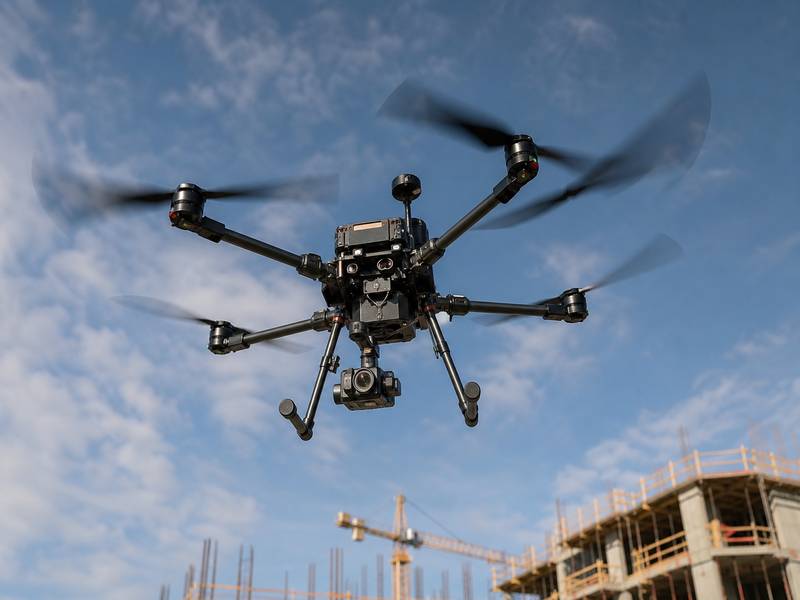
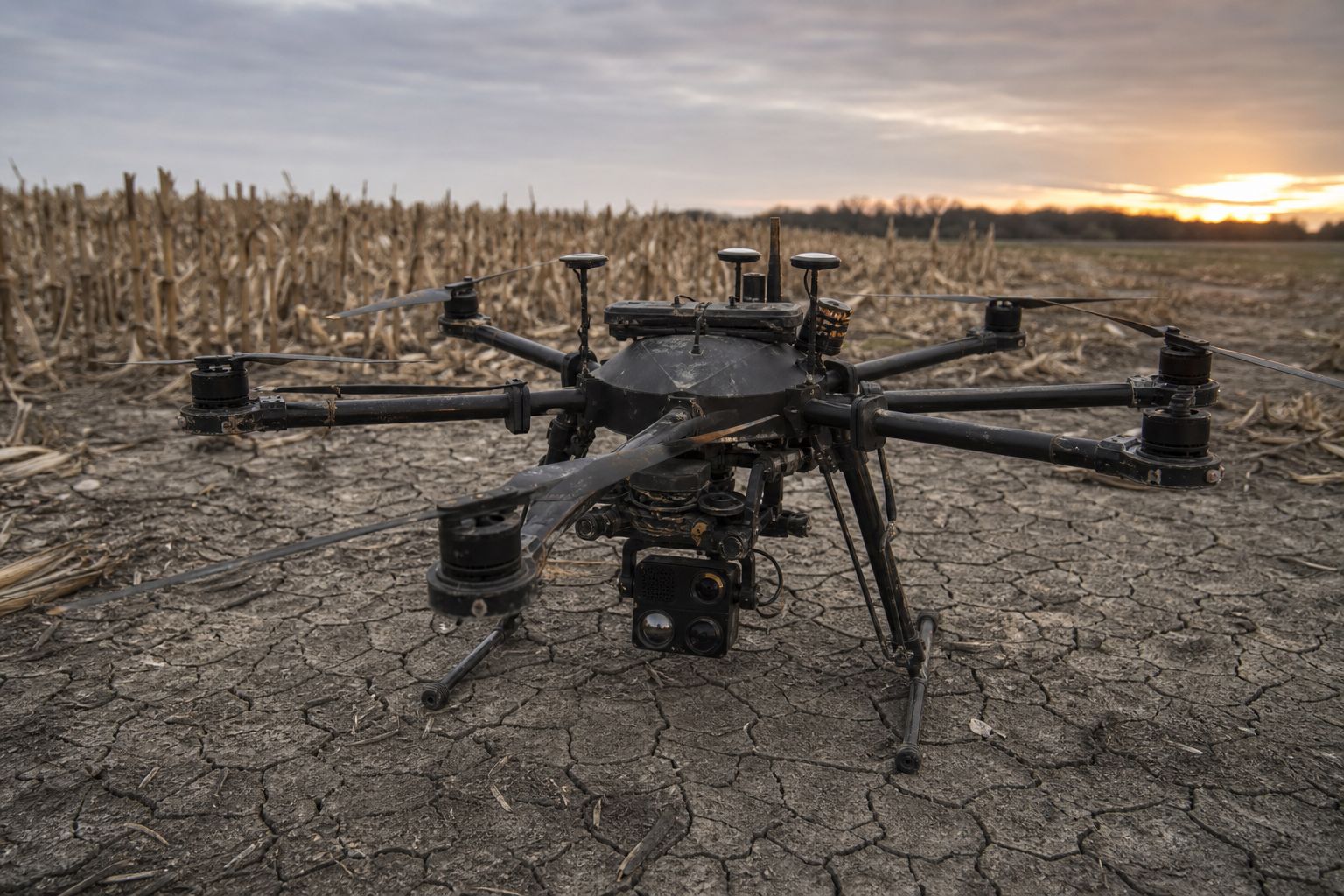
Start with the drone. If you're operating an expensive precision agriculture UAV, something in the $10,000 to $30,000 range or higher, drone hull coverage in agriculture isn't optional. It's basic financial protection. Hull coverage pays to repair or replace your aircraft after a covered loss: a crash, a hard landing, a flyaway caused by signal interference, or damage during transport. Without it, you're absorbing that cost entirely out of pocket. And these machines don't come cheap to fix.
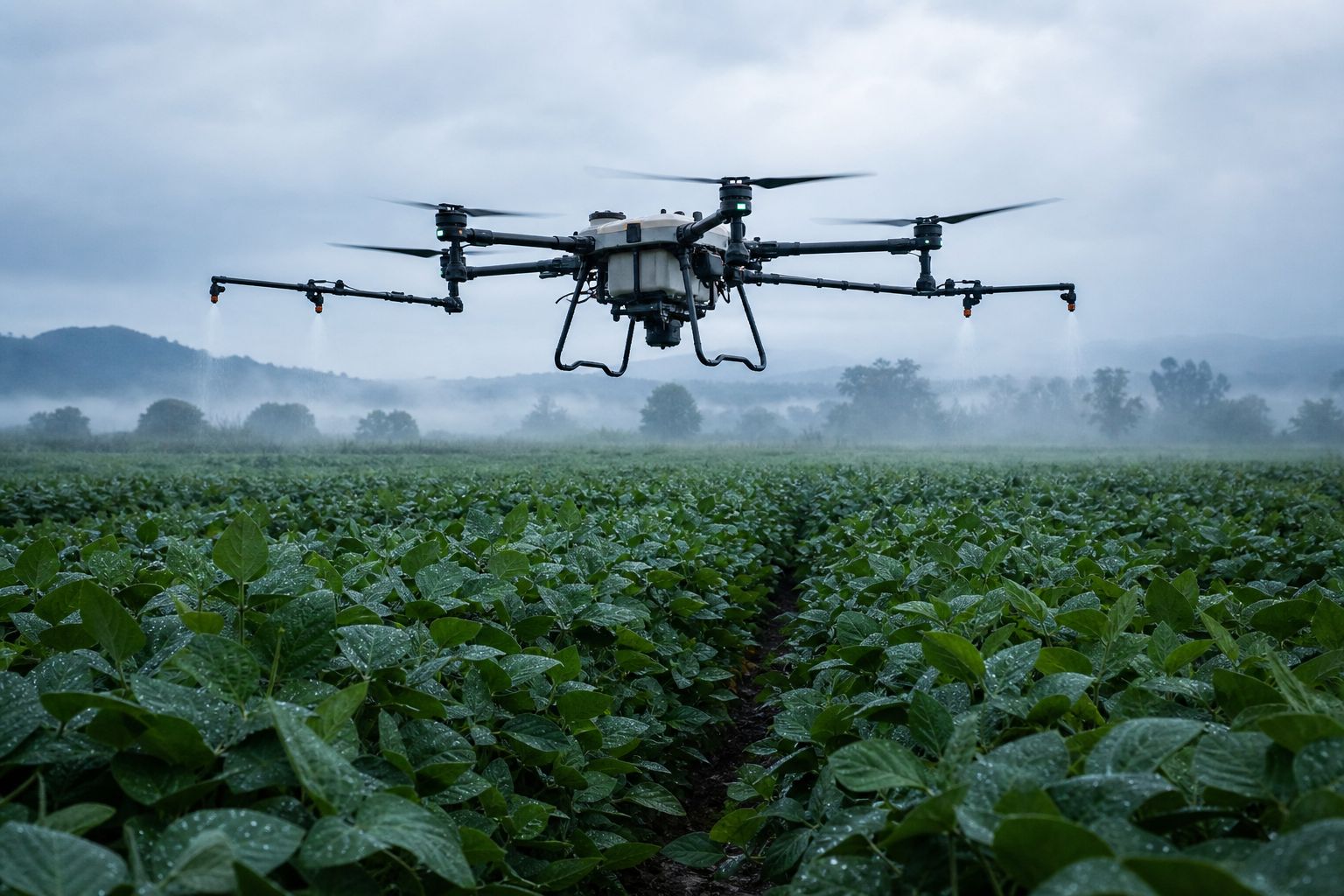
Now think about what happens when the drone doesn't just crash into your own field. A flyaway that takes out a neighbor's irrigation equipment. A sprayer malfunction that drifts onto an adjacent property. A drone that clips a power line and causes a fire. This is where an ag drone liability policy does its job. It covers third-party bodily injury and property damage claims. For farm operators flying near structures, roads, or neighboring land, this is the coverage that can save a business.
The right mix depends on a few factors specific to your operation. How often are you flying? What's the replacement value of your equipment? Are you operating near populated areas or strictly over your own land? A hobbyist flying a $500 drone over a private field has very different needs than a commercial ag operator running daily spray missions with a $25,000 UAV. Farm drone hull and liability insurance should be sized to match real exposure, not just the minimum requirement.
We work with underwriters who specialize in ag drone operations, which means coverage options here are built around the actual risks farmers face, not generic commercial drone use cases. Spray drift liability, for example, is a concern that doesn't show up in standard drone policies but matters a lot when you're flying a liquid-dispensing UAV over crops. Getting the policy details right matters as much as getting coverage at all.
One thing worth knowing: hull and liability can be purchased together or separately depending on your situation. Some operators already have equipment covered under a broader farm policy and only need the liability side. Others need both. When you're doing a farm UAV insurance comparison, look at what each component actually covers, the exclusions, the deductibles, and whether the policy covers your specific type of ag work. A crop scouting operation and a commercial spray operation are not the same thing from an underwriting perspective.
We've issued more than 300,000 commercial drone insurance policies, and the pattern we see consistently with ag operators is underestimating liability exposure. Hull losses hurt your wallet. Liability losses can threaten the whole operation. A third-party claim from a neighbor or a lawsuit after an accident can get expensive fast, especially if you're flying near property lines or livestock.
For farms that are scaling up their drone programs, this is also the point where agriculture drone insurance stops being a checkbox and starts being a real operational tool. Lenders, co-ops, and agricultural clients increasingly want to see proof of coverage before they'll work with you. Having a proper policy in place, one that actually fits your operation, positions you as a serious professional.
Our nearly perfect 5-star customer support rating reflects the fact that getting help with coverage decisions shouldn't feel like a barrier. Whether you're comparing options for the first time or adjusting an existing policy as your fleet grows, getting drone insurance that fits your actual needs is the point.
Farm drone hull and liability insurance aren't competing priorities. They cover different things. The right question isn't which one you need. It's how much of each your operation actually calls for.
Frequently Asked Questions
How much does farm drone hull and liability insurance typically cost?
Costs vary based on the value of the aircraft, frequency of operations, and coverage limits. Hull coverage is generally priced as a percentage of the drone's insured value, often ranging from 3% to 10% annually. Liability-only policies for ag drone operators can start under $500 per year for basic limits, with higher limits available for commercial spray operations or multi-drone fleets.
Does hull coverage include spray equipment and sensors attached to the drone?
Not always. Standard drone hull coverage in agriculture typically covers the airframe and factory-installed components. Aftermarket sensors, cameras, and spray tanks may need to be listed separately or covered under a payload endorsement. Review the policy language carefully and confirm with your insurer what attached equipment is included in the insured value.
Is ag drone liability insurance required by law for farm operators?
There is no federal mandate requiring liability insurance for farm drone operators, but FAA Part 107 certification is required for commercial use. Many states, co-ops, landowners, and agricultural service contracts do require proof of liability coverage before allowing drone operations on their property. Requirements vary, so check with any clients or land managers before flying.
What's the difference between a standard commercial drone policy and an ag-specific policy?
Standard commercial drone policies are written for general use and may exclude or limit coverage for agricultural applications like chemical spraying, crop mapping, or livestock monitoring. An ag drone liability policy is underwritten with those specific operations in mind and may include provisions for spray drift liability, seasonal use patterns, and coverage for operations over crops and rural structures. For farm work, an ag-specific policy is the more appropriate fit.
Get a quote at skywatch.ai.