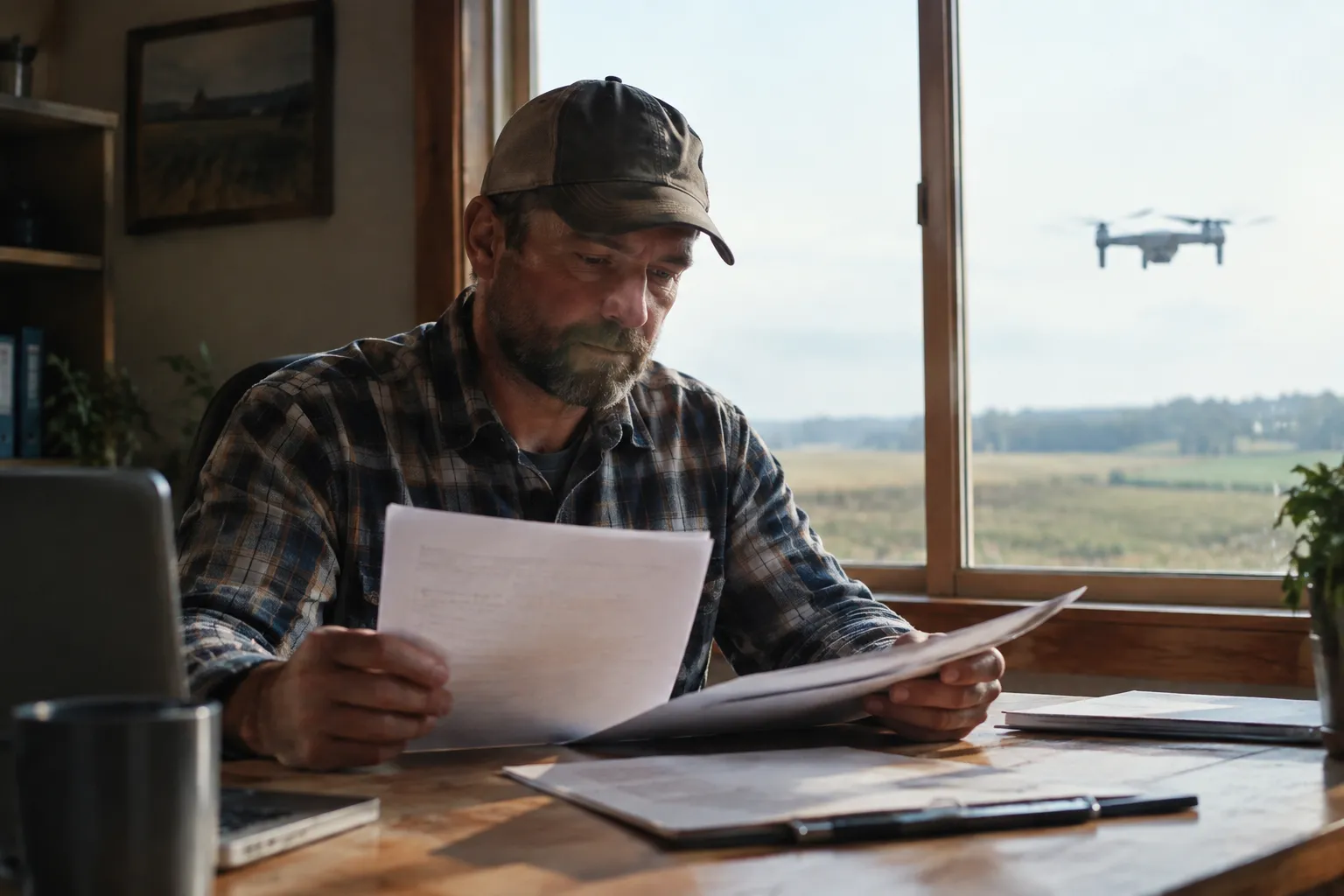
Agriculture drone operators put serious time into comparing coverage limits, hull values, and liability thresholds. That makes sense. But the section that ends up costing operators real money is usually the one they skimmed: the exclusions. Agriculture drone insurance policy exclusions are where the fine print does its damage, and most operators don't notice what's missing until they're filing a claim.
We've issued more than 300,000 commercial drone insurance policies at SkyWatch, and the pattern is consistent. Operators are surprised by denials not because the coverage was misleading, but because the exclusions were overlooked. Let's fix that.
Why Reading the Exclusions Section Is as Important as the Coverage Limits
A policy with a $1 million liability limit sounds solid. But if that policy excludes chemical drift, crop damage caused during application, or operations above a certain wind speed, then the coverage you're counting on may not apply when you need it most. Ag drone insurance gaps don't usually show up in the summary. They live in the exclusions section, sometimes buried in definitions, sometimes referenced by a single clause.
Here's what ag operators commonly miss.
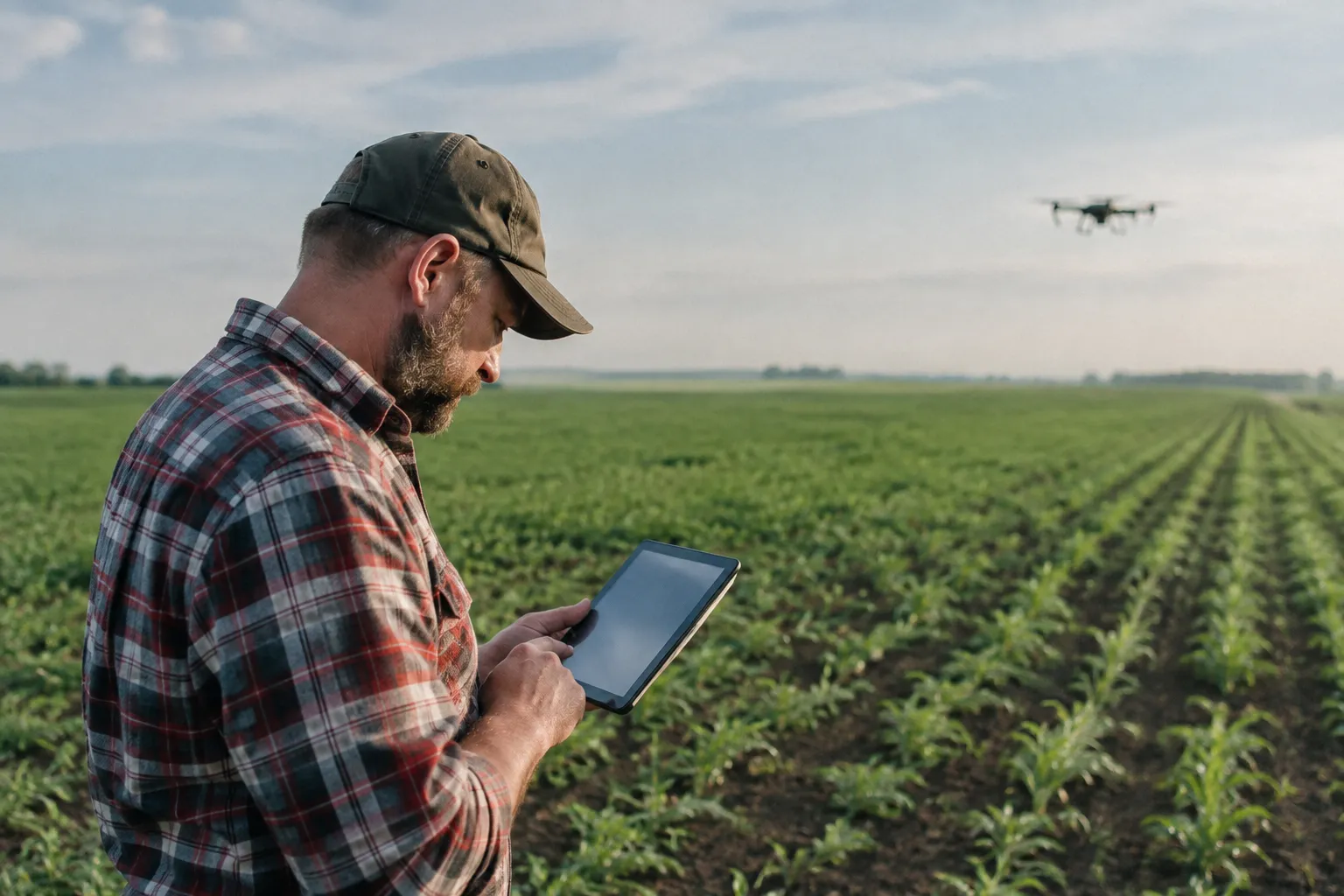
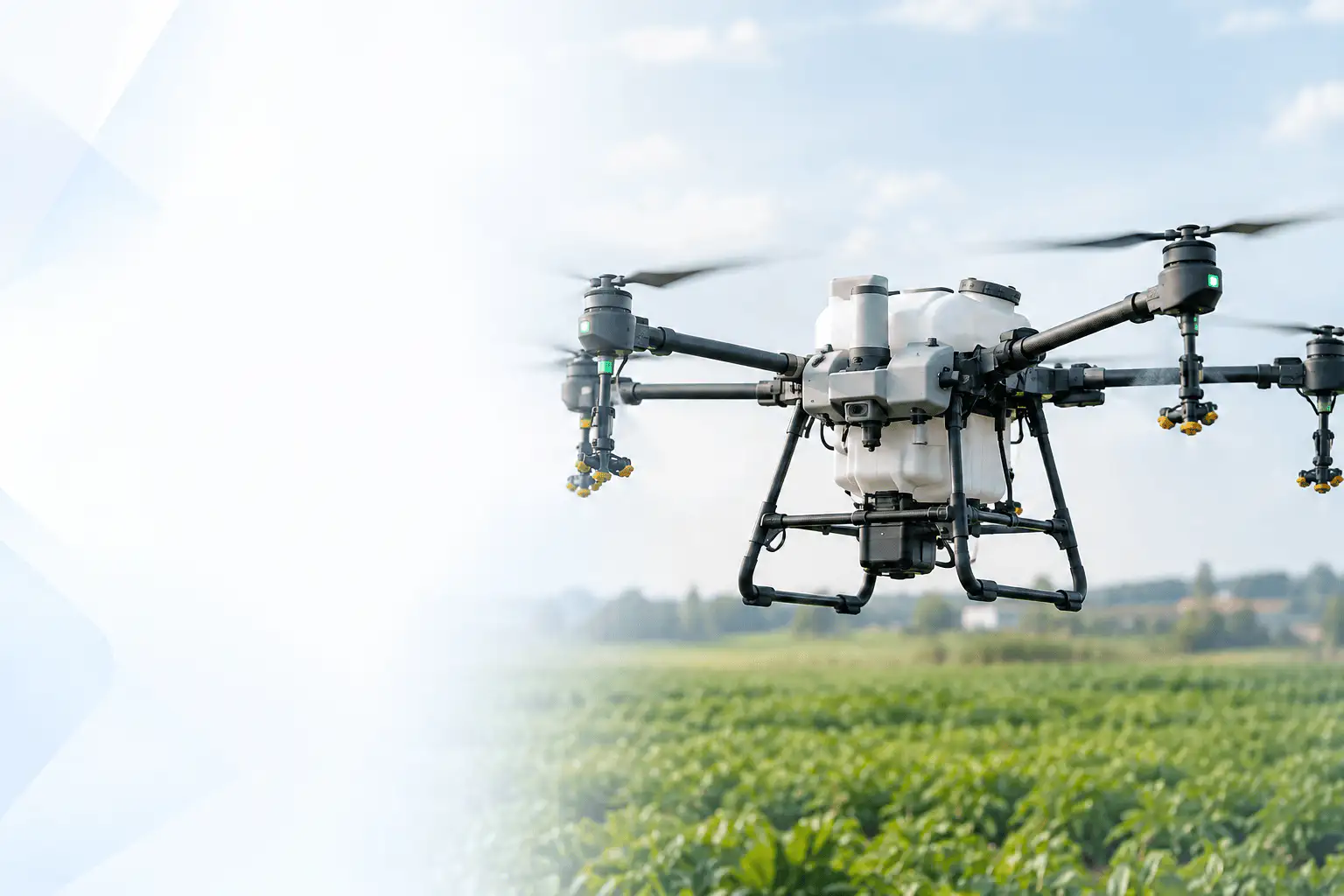
Chemical and pesticide application exclusions are among the most significant agriculture drone insurance policy exclusions in the market. Many standard drone policies exclude liability arising from the application of any chemical, pesticide, herbicide, or fertilizer. If your drone sprays a field and drift damages a neighboring crop, a policy with this exclusion won't respond to that claim. This is a serious gap for spray drone operators, and it's why we work with underwriters who specialize in ag drone operations, so the policies we offer are actually built for how these drones are used.
Crop damage itself is another common gap. Policies often exclude physical damage to the crops being treated. If your drone malfunctions mid-flight and comes down in the field, your hull coverage may pay for the drone. The crop loss is a separate question, and many policies don't cover it. Understanding what drone insurance won't cover in this context matters a lot if you're operating over high-value specialty crops.
Payload coverage is frequently misunderstood. The drone's hull value is usually specified clearly. But the spray tank, the sensors, the multispectral camera, those are payload items, and they're often excluded from hull coverage unless explicitly added. Check whether your policy covers payload separately or at all.
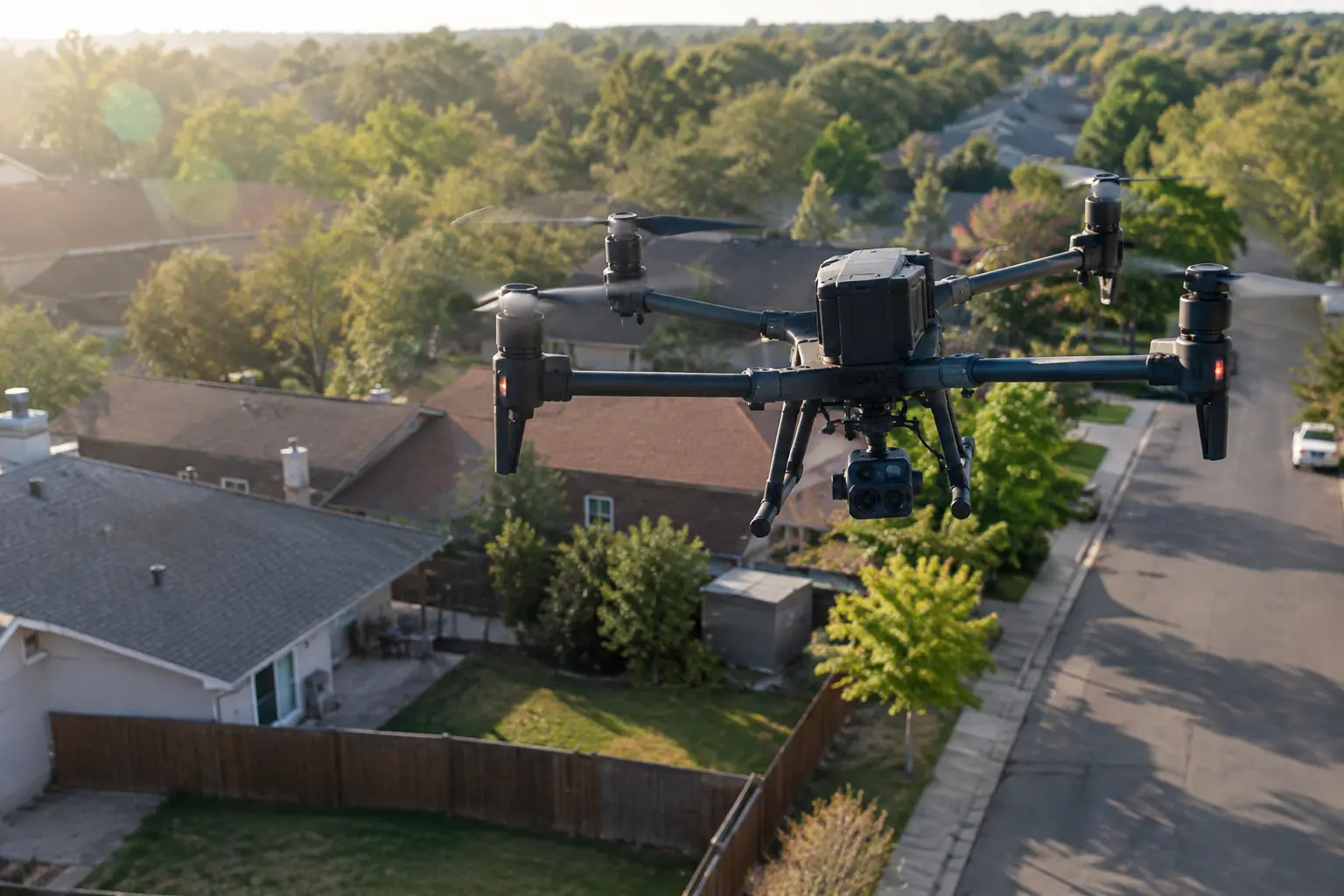
Operational boundary exclusions are another common category. Some policies restrict coverage to specific geographic areas, or they exclude operations beyond visual line of sight, even if you have a waiver. If you're flying BVLOS under a Part 107 waiver for large-scale field mapping, confirm your policy accounts for that. Drone policy exclusions in agriculture often draw a hard line at standard VLOS operations.
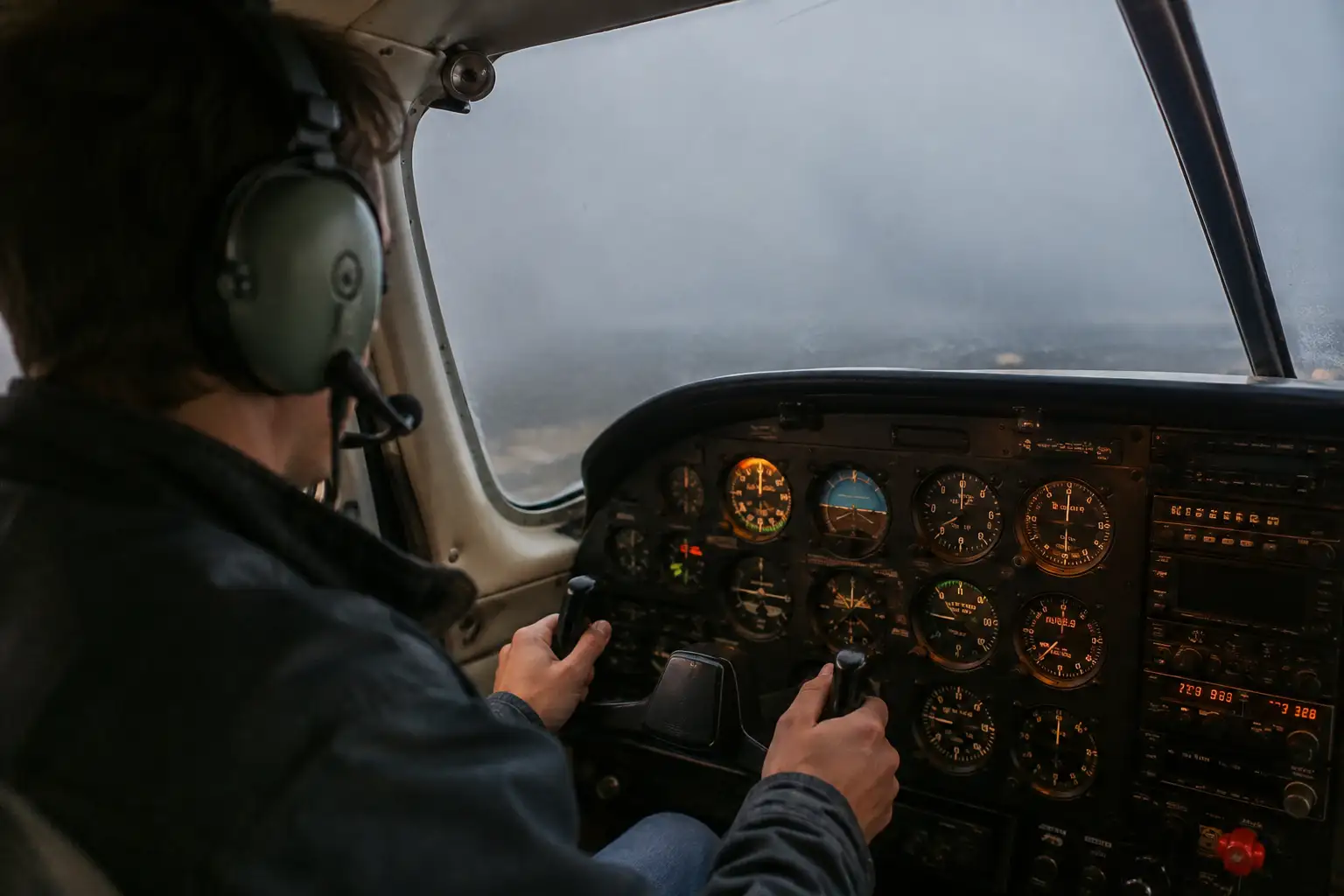
Weather-related exclusions come up more than operators expect. Some policies exclude damage or liability from operations conducted in wind conditions above a stated speed, or during precipitation. Ag operations don't always happen in perfect conditions. If you're flying in early morning fog to beat the heat, make sure that's not a scenario your policy specifically excludes.
Pilot certification and training requirements are worth reviewing carefully. Many policies require the pilot to hold a current Part 107 certificate and list them by name on the policy. If a different employee operates the drone, even briefly, coverage may not apply. Some policies also exclude operations where the pilot doesn't have documented training on the specific drone model being used. This is a common agriculture drone insurance policy exclusion that creates real exposure for operations with multiple pilots or seasonal staff.
Commercial ag drone insurance should match actual field conditions, not theoretical ones. That's the standard worth holding policies to. SkyWatch's nearly perfect 5-star customer support exists specifically to help operators read past the summary page and understand what they're actually covered for before a claim situation forces the question.
If you're evaluating a policy, don't start with the coverage limits. Start with the exclusions. Ask directly: does this cover chemical application liability? Does it cover payload? Does it respond to crop damage caused by the drone itself? Those questions will tell you more than the headline numbers.
Agriculture drone insurance policy exclusions are not obscure legal language. They're the actual terms of the deal. Knowing them is part of operating professionally.
Frequently Asked Questions
Does agriculture drone insurance cover chemical drift damage to neighboring crops?
Many standard drone insurance policies explicitly exclude liability from pesticide or chemical application, which means drift damage to a neighbor's crop may not be covered. Operators who spray should specifically look for policies that include ag chemical application liability, as this is one of the most common and costly agriculture drone insurance policy exclusions in the market.
Are sensors and spray tanks covered under drone hull insurance?
Not automatically. Payload items like multispectral cameras, spray tanks, and sensors are frequently excluded from hull coverage unless added by endorsement. Operators should confirm whether their policy covers attached payload separately or whether those items require their own scheduled coverage.
What happens if an unlisted pilot flies my insured ag drone?
Most ag drone insurance policies require pilots to be named or listed on the policy and to hold a current Part 107 certificate. If an unlisted pilot operates the drone and an incident occurs, the claim may be denied. This is a significant ag drone insurance gap for operations with rotating or seasonal staff.
How much does agriculture drone insurance cost for spray drone operators?
Premiums vary based on drone type, coverage limits, payload, and the nature of operations, including whether chemical application is involved. Spray drone operators typically pay more than mapping or survey operators because chemical application liability adds underwriting risk. Getting a quote through a provider that works with specialized ag underwriters will give you the most accurate pricing for your specific operation.
Get a quote at skywatch.ai.