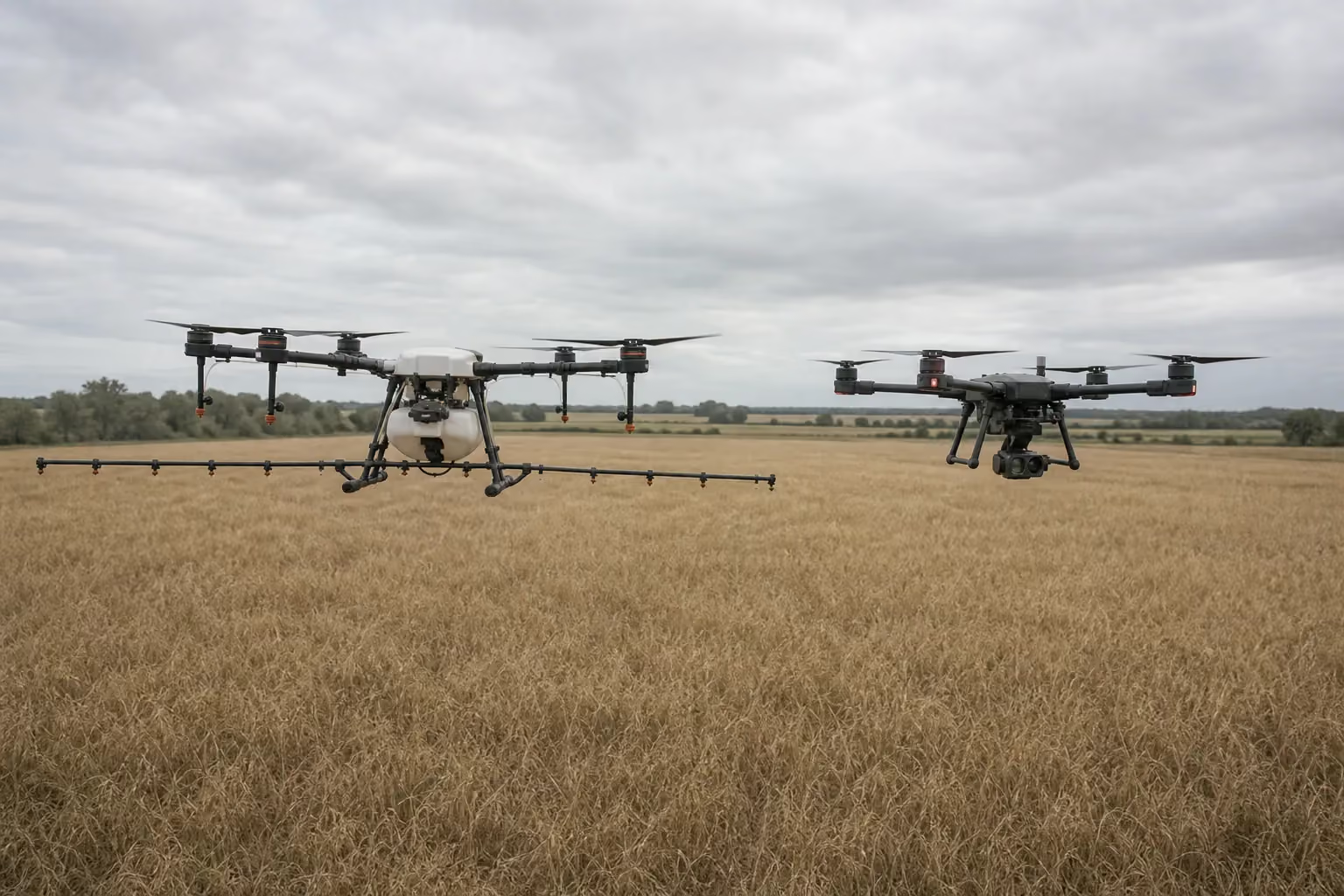
Not all agricultural drones do the same job. A scouting drone flies over fields, captures images, and helps a farmer decide where to focus attention. A spraying drone carries a tank of pesticide or fertilizer and actively applies it to crops. Same sky, very different risk. And when it comes to insurance, that difference matters more than most operators realize.
If you're shopping for insurance for crop spraying drones, you're in a different category than someone covering a mapping or scouting aircraft. The policies look different, the premiums reflect different exposure, and the coverage gaps can catch you off guard if you don't know what to ask for.
Why the Job Your Drone Does Changes the Policy You Need
Think about it from an underwriter's perspective. A scouting drone passes over a field, collects data, and goes home. If something goes wrong, the worst-case scenario is usually a crashed aircraft and maybe some property damage below. That's a manageable risk. A sprayer drone, on the other hand, is carrying a chemical load across someone's crops. A malfunction, a GPS error, or a miscalibrated nozzle can result in drift onto neighboring properties, contamination of organic fields, or crop damage that runs into the tens of thousands of dollars.
That's why insurance for crop spraying drones typically includes provisions that a basic scouting policy doesn't. Ag drone scouting insurance requirements are generally straightforward. You need hull coverage to protect the aircraft itself, and liability coverage in case your drone causes property damage or injures someone. Those requirements apply to almost every commercial drone operation.
Spraying is different. When we work with operators on agricultural drone insurance, the conversations get more specific fast. Does the policy cover chemical drift liability? What about third-party crop damage caused by off-target application? Is there coverage if a sprayer malfunction leads to an environmental remediation claim? These are real scenarios, and they require policies built by underwriters who actually understand how ag spraying operations work.
We work with underwriters who specialize in ag drone operations, which means the coverage options we can offer aren't generic commercial drone policies with a few words swapped out. They're structured around the actual risks spraying operators face in the field.
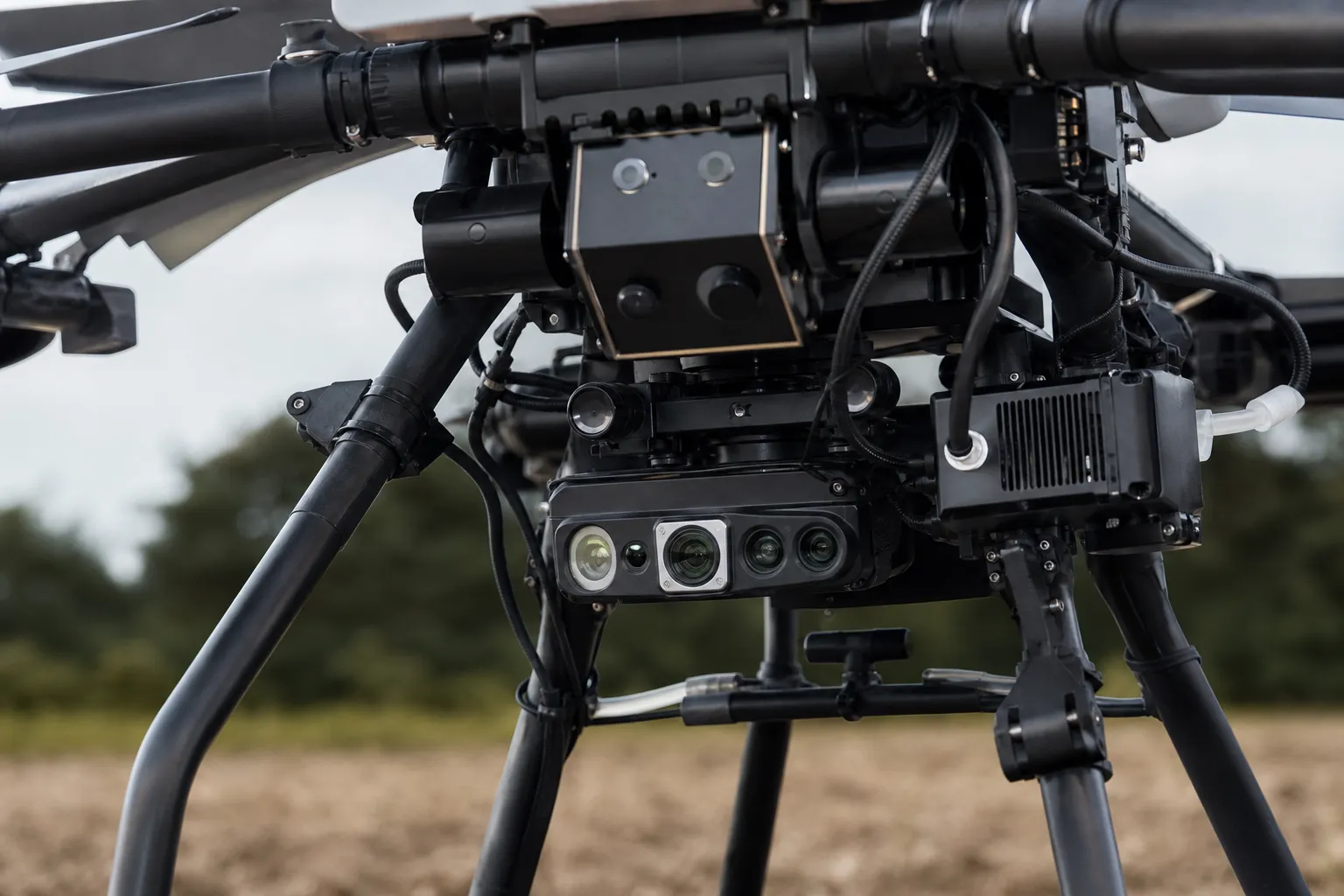
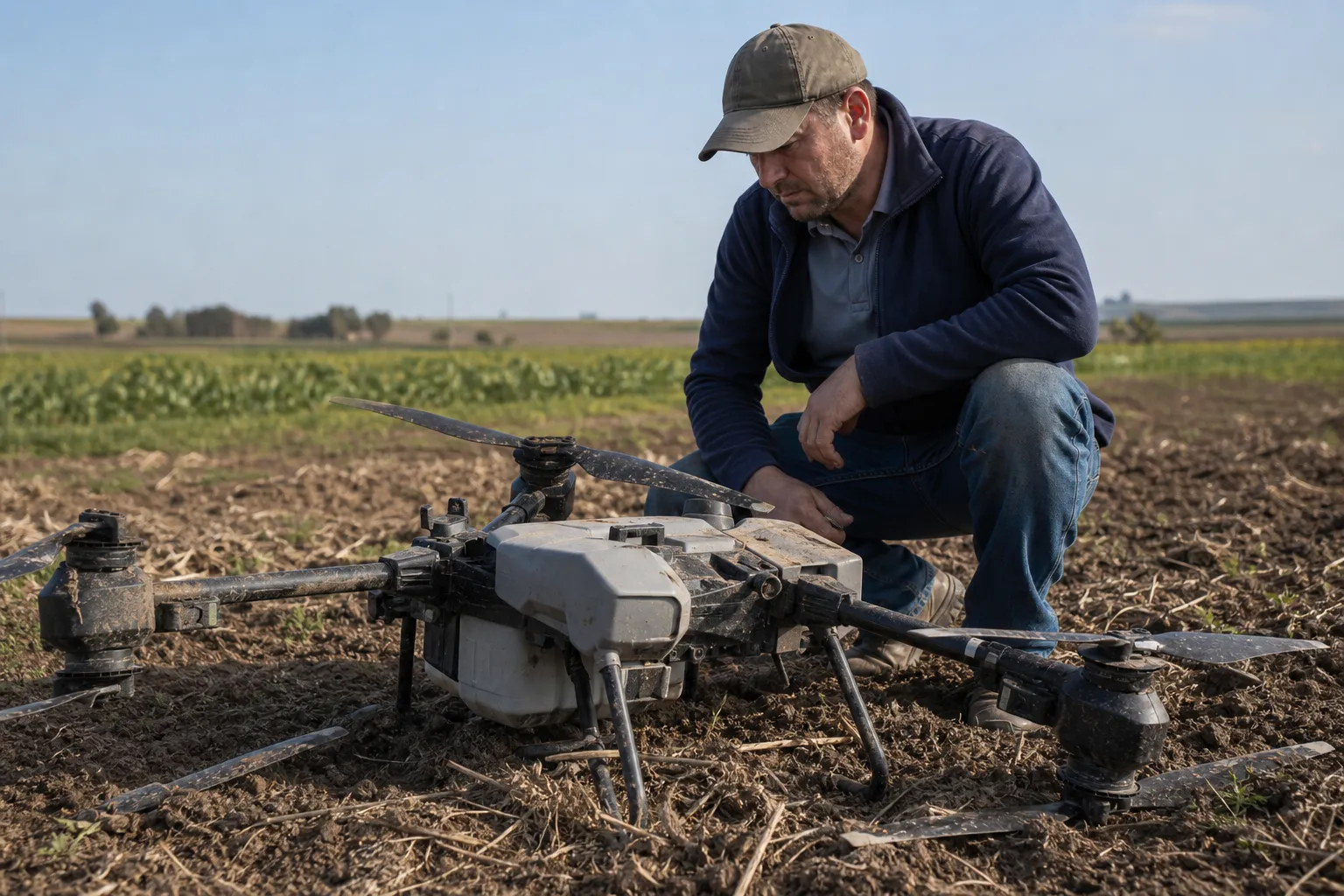
The sprayer drone vs mapping drone coverage gap is also worth understanding at the equipment level. Spraying drones are more expensive, heavier, and more complex than most scouting platforms. A high-end agricultural sprayer can run $15,000 to $30,000 or more. Your hull coverage needs to reflect that. A lot of operators underinsure their aircraft because they're comparing it to the lighter drones they flew before stepping up to a spray rig. That's a mistake that shows up painfully after a crash.
Payload coverage is another area where the two categories split. A scouting drone might carry a $2,000 camera. A sprayer carries a chemical tank and precision pump system. If a hard landing damages that equipment, you want a policy that accounts for the full payload value, not just the aircraft frame.
Agricultural drone policy differences also come into play when you look at how operations are classified. Some insurers treat spraying as a higher-hazard category, which affects both premium pricing and the underwriting process. Flying a scouting mission might take 20 minutes. Spraying a 200-acre field takes considerably longer, with more exposure time, more variables, and more opportunities for something to go wrong. Hours in the air matter when calculating risk.
For operators running both scouting and spraying in the same season, the cleanest solution is usually a policy that covers both under a single umbrella rather than managing two separate policies. We've issued more than 300,000 commercial drone insurance policies, and one of the most common mistakes we see is operators who insure their scouting drone properly but treat their sprayer as an afterthought, or assume one policy covers both automatically. It often doesn't.
If you're using your drone commercially for applications like crop spraying, look specifically for commercial drone insurance that includes ag-specific liability language, not just standard premises liability language borrowed from another industry. The wording matters when a claim happens.
Getting insurance for crop spraying drones doesn't have to be complicated, but it does require asking the right questions before something goes wrong. Our team has nearly perfect 5-star customer support ratings because we focus on making sure operators understand what they have before they need to use it. That's the part most insurance experiences get wrong.
Frequently Asked Questions
How much does insurance for crop spraying drones cost compared to scouting drones?
Spraying drone insurance typically costs more than scouting drone coverage due to higher liability exposure, more expensive equipment, and the added risk of chemical drift or off-target application. A basic scouting policy might start around $500 to $800 annually, while sprayer coverage often runs higher depending on the aircraft value, annual flight hours, and the types of chemicals used. Getting an accurate quote requires specifying your operation type.
Does standard commercial drone insurance cover chemical drift damage from a sprayer?
Standard commercial drone policies often do not include explicit coverage for chemical drift or third-party crop contamination. These risks require ag-specific liability language in the policy. Operators should ask their insurer directly whether chemical drift liability and environmental damage are covered, and get that confirmation in writing before flying spray operations.
What are the insurance requirements for operating an agricultural spraying drone commercially?
Most commercial ag spraying operations require a minimum liability limit, often $1 million per occurrence, along with hull coverage for the aircraft. Some states or landowner contracts may require higher limits. Operators must also hold a valid FAA Part 107 certificate, and in many states, applying pesticides via drone requires a separate pesticide applicator license regardless of the insurance situation.
Can one ag drone insurance policy cover both a spraying drone and a scouting drone?
Yes, many insurers offer fleet or multi-aircraft policies that can cover both spraying and scouting drones under a single policy. However, the policy must explicitly list both aircraft and include the appropriate liability coverage for each use type. A policy written primarily for scouting may not automatically extend its liability provisions to cover spray operations, so operators should confirm coverage for each aircraft and its specific use with their insurer.
Ready to get the right coverage for your ag drone operation? Get a quote at skywatch.ai.