One of the most common decisions new aircraft owners face is whether to add hull coverage to their policy or just carry liability. On paper, liability-only looks tempting. The premium is a fraction of what you pay with hull included, and if you are a careful pilot who hangars the plane, the math can seem to favor skipping hull altogether.
But there are some real gaps in that thinking that are worth walking through.
What hull insurance actually covers
Liability coverage protects you against damage or injury you cause to other people and their property. It does not pay for damage to your own aircraft. Hull coverage is what takes care of your airplane, and it applies to a broader range of situations than most owners realize.
Hail comes through your hangar roof. A line crew clips your wingtip during a fuel stop. Avionics get stolen overnight. Your gear collapses on landing. In every one of those cases, liability does nothing for you. Hull coverage is what covers the plane itself, whether it is parked, taxiing, or in flight.
There is also the question of subrogation. Say another pilot taxis into your aircraft at a busy FBO. You would have to go after their insurance to recover your losses, and that process is slower and less certain than you might think. If you carry hull, your own insurer handles your damage first and then pursues the other party. You are not waiting on someone else's carrier to do right by you.
The liability-only case
Skipping hull is not always the wrong call. If you own a basic aircraft worth $30,000 to $40,000 and could absorb that loss without it derailing your finances, the calculus is different than it is for someone financing a $200,000 plane. Self-insuring the hull on a low-value aircraft is a legitimate strategy some experienced owners use deliberately.
What matters is that you are making that call with a clear picture of what you are giving up, not because you assumed liability-only was sufficient.
How hull premiums actually work
Hull premiums are tied to the agreed value of your aircraft, typically running somewhere between 1% and 2.5% of that value annually, depending on your hours, type rating, and the aircraft itself. First-year premiums tend to be higher for lower-time pilots, but they usually drop as you build time in type.
One thing that catches owners off guard is the declared value. Hull coverage in aviation works on an agreed-value basis, meaning the insurer pays the amount stated in the policy if the aircraft is totaled. If you insure a plane for less than its actual market value to keep the premium down, the insurer can exercise that agreed value and take the aircraft. Undervaluing your hull to save money can backfire in a meaningful way.
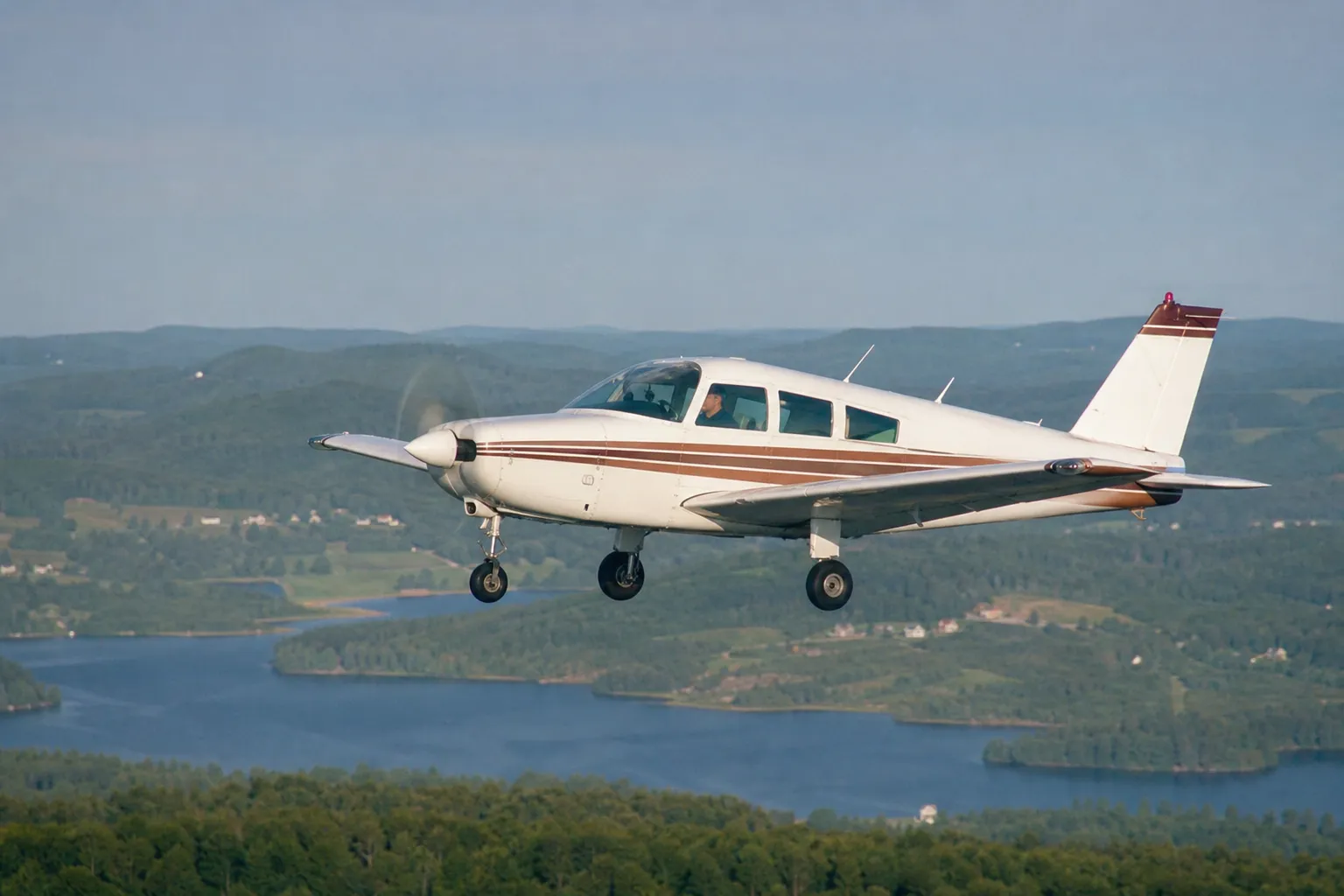
You can get a quote for aircraft insurance through SkyWatch to see how hull premiums compare to liability-only on the specific aircraft you own or are considering. For single-engine owners, our single-engine aircraft insurance page breaks down what typical coverage looks like. If you fly a Piper, the Piper aircraft insurance page has more specific guidance.
What most pilots wish they had known
The pilots who regret skipping hull rarely regret it on a flight where everything went fine. It is the unexpected ground event, the weather damage, the gear-up they never saw coming, that changes the calculation fast. Insurance is not a prediction that something will go wrong. It is a decision about how much financial exposure you can carry if it does.
If the answer to that question is "not much," hull coverage is probably worth the premium.
Frequently asked questions
Does liability insurance cover damage to my own aircraft?
No. Liability coverage only pays for damage or injury you cause to others. Damage to your own aircraft, whether from weather, a ground accident, or an in-flight incident, requires hull coverage.
What happens if another pilot damages my plane on the ramp?
Without hull insurance, you would need to pursue recovery through their liability policy, which takes time and is not guaranteed. If you carry hull, your insurer pays you for the damage first and handles the recovery process against the other party.
Can I insure my aircraft for less than its market value to save on premium?
Technically yes, but it is risky. Aviation hull policies use agreed value. If the plane is totaled, the insurer pays the declared value and can take the aircraft. Insuring below market value means you could lose both the plane and the coverage gap in one event.
Do hull premiums stay high after the first year?
Usually not. First-year premiums tend to be higher, especially for low-time pilots or pilots new to a specific aircraft type. As you build hours in type and accumulate a clean record, most owners see their premiums decrease at renewal.
Is hull insurance required if I finance my aircraft?
In most cases, yes. Lenders typically require hull coverage as a condition of financing, with the lender listed as a loss payee. This protects their collateral. If you own the aircraft outright, hull coverage is optional, but that does not mean skipping it is the right financial decision for everyone.