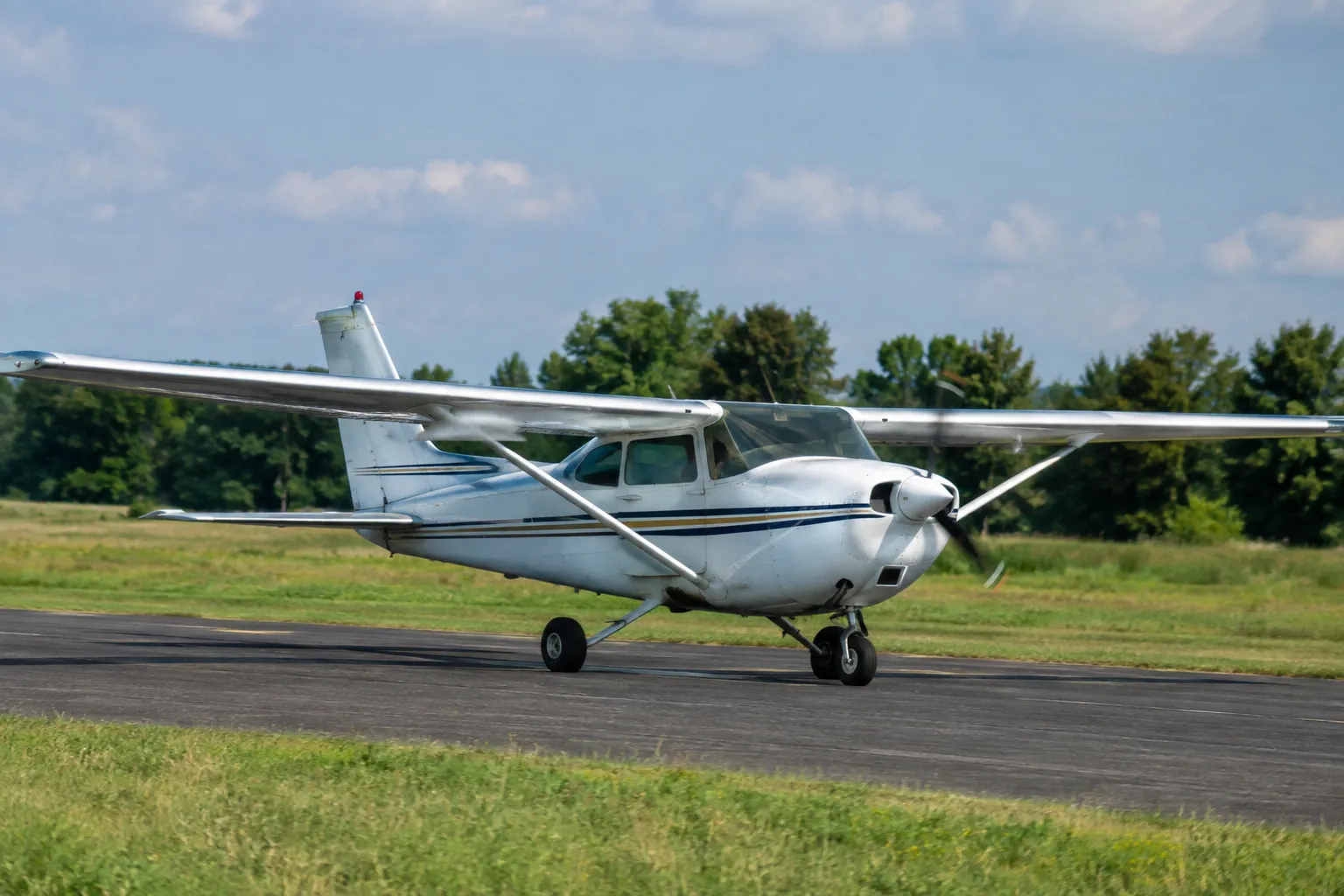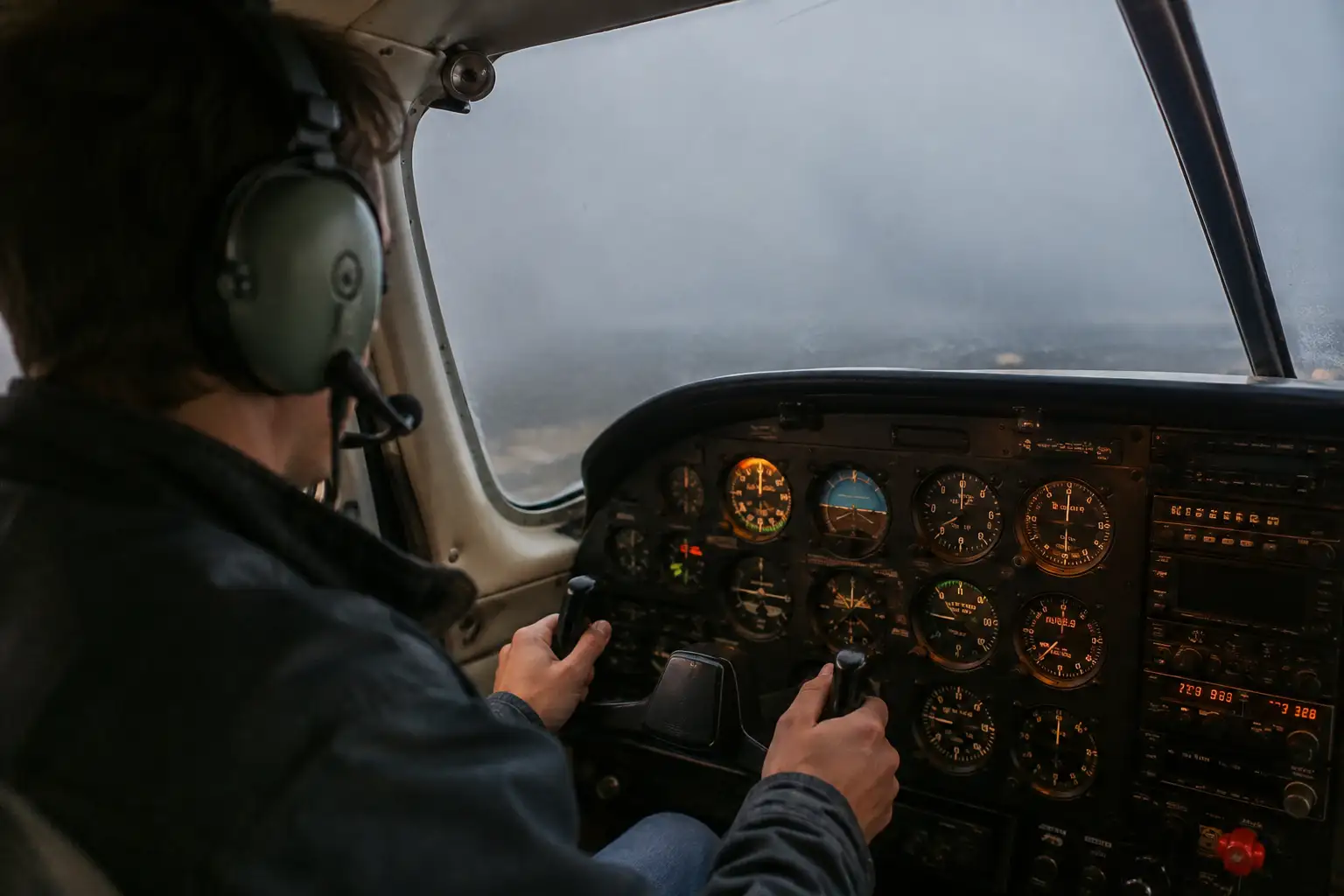
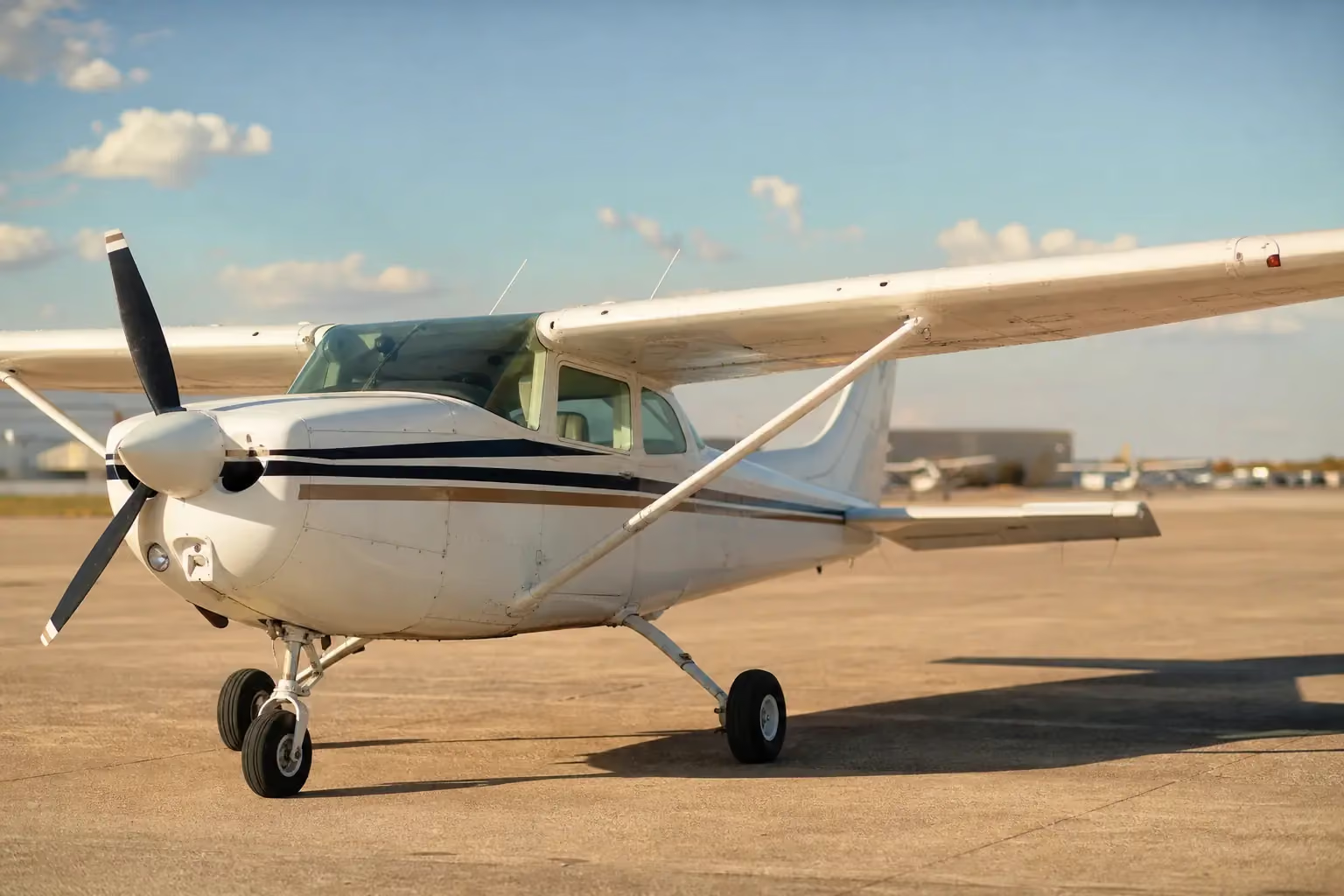

Upgrading to a different aircraft is one of the most exciting decisions a pilot can make. But somewhere between signing the purchase agreement and taking delivery, a practical question comes up: what happens to your insurance? Your current policy doesn't automatically follow you to the new plane, and if you're moving from a Cessna 172 to something like a Mooney M20 or a Piper Arrow, there are real coverage considerations you need to work through before you close the deal.
You Can't Transfer a Policy to a Different Aircraft
Your aircraft insurance policy is written for a specific airplane -- its make, model, year, value, and performance characteristics. When you sell that plane and buy another, you need a new policy. Some insurers will let you update an existing policy mid-term if the transition happens before renewal, but the underwriting process starts fresh either way. The aircraft changed, so the risk profile changed.
If you're shopping for aircraft insurance for the new plane, don't wait until closing day. Start that conversation early.
Time in Type Matters More Than You Might Expect
Moving from a simple trainer to a retractable-gear, high-performance aircraft is where pilots often run into friction with underwriters. Insurers look closely at your total hours, your hours in similar aircraft, and specifically your time in the make and model you're insuring.
If you're stepping into a Mooney with 300 total hours and almost no complex aircraft time, expect underwriters to ask questions. They may require a checkout with a certified flight instructor, a minimum number of hours dual in type before solo coverage kicks in, or both. Some will impose a named pilot warranty that restricts coverage to specific pilots listed on the policy until certain experience thresholds are met.
This isn't a barrier to getting insured. It's just the process. Being upfront about your logbook and working with an insurer who understands general aviation pilots makes it manageable.
How the Named Pilot Warranty Changes With a More Complex Plane
Most owner-flown policies include a named pilot warranty. It means the policy covers the aircraft only when a listed, approved pilot is flying it. When you upgrade to a more complex airplane, your existing qualifications may no longer satisfy the warranty requirements for that specific aircraft.
If you previously held single-engine aircraft insurance on a basic trainer, your underwriting profile was built around that airplane. Step up to a turbocharged retractable and the insurer will re-evaluate whether your hours and ratings still meet their requirements for that named pilot slot. If they don't yet, the checkout hours an underwriter requires become a condition of coverage, not a suggestion.
Tell Your Insurer Before You Close
Contact your insurer as soon as you have a purchase agreement in hand. Give them the aircraft details: year, make, model, registration, hull value, and how you plan to use it. Ask what they'll need from you to bind coverage on closing day.
This matters for multi-engine aircraft insurance especially, where underwriting requirements around pilot experience and training can be more involved and take time to sort out.
Expect Your Premium to Shift
More complex aircraft cost more to insure. A higher hull value, faster speeds, retractable gear, and turbocharged engines all factor into pricing. If you're newer to that category of aircraft, your premium will reflect that too. As you build time in type over subsequent policy terms, rates typically become more competitive.
Frequently Asked Questions
Can I just add the new plane to my existing policy?
No. Aircraft insurance policies cover a specific aircraft. When you buy a different plane, you need a new policy written for that airplane. Your insurer may be able to cancel the old policy mid-term and issue a new one, but the underwriting process starts fresh regardless.
What if I haven't sold my old plane yet when I buy the new one?
You'll need separate policies for each aircraft during the overlap period. Don't assume one policy covers both. Let your insurer know the situation and get each airplane properly covered from the date you take ownership.
Will low time in type prevent me from getting insured?
Not necessarily. It may affect the terms. Underwriters may require a dual instruction checkout, impose a minimum hours requirement before solo operations are covered, or adjust your premium based on experience level. Being honest about your logbook upfront is the right approach.
How far in advance should I contact my insurer before closing on a new aircraft?
At least a few weeks if possible. Some underwriting situations are straightforward and bind quickly. Others, particularly for complex or high-performance aircraft with pilots who are new to type, take more time to work through. Starting early gives you room to handle any requirements before your closing date.
Does my premium go down as I build time in the new aircraft?
Generally, yes. Insurers look at your experience level at renewal. As you accumulate hours in type and demonstrate a clean record, your rate at renewal will typically reflect that. The first policy term on a new aircraft is often the most expensive.