
Shopping for drone coverage in agriculture is not like buying a standard liability policy. The work is specialized, the equipment is expensive, and the risks are different from what most general insurers know how to price. If you're trying to compare agriculture drone insurance quotes right now, you've probably already noticed that two quotes for the same operation can look very different on paper. The price gap might be obvious. The coverage gap usually isn't.
This guide walks through the five things that actually matter when you're reviewing quotes side by side.
The Coverage Details Most Operators Miss When Reviewing Quotes
Most operators focus on the premium first. That's understandable, but it's also how people end up with policies that don't pay out when something goes wrong. Before you decide which quote wins on price, here's what to look at in the actual policy language.
First, check whether the policy covers agricultural operations specifically. Some drone insurance policies are written for general commercial use, and ag work, including crop scouting, spraying, or field mapping, may be excluded or subject to special conditions. When you compare agriculture drone insurance quotes, make sure each one explicitly covers the type of work you do. Vague language like "commercial aerial photography" does not always extend to ag applications. At SkyWatch, we work with underwriters who specialize in ag drone operations, so the policies are actually written for what you're doing in the field.
Second, look at hull coverage. Your airframe and payload are expensive. If a quote only includes liability and not physical damage to your drone, you're covering only half the risk. Check the deductible amount too. A low premium with a high deductible can cost you more out of pocket than a slightly higher premium with a reasonable deductible.
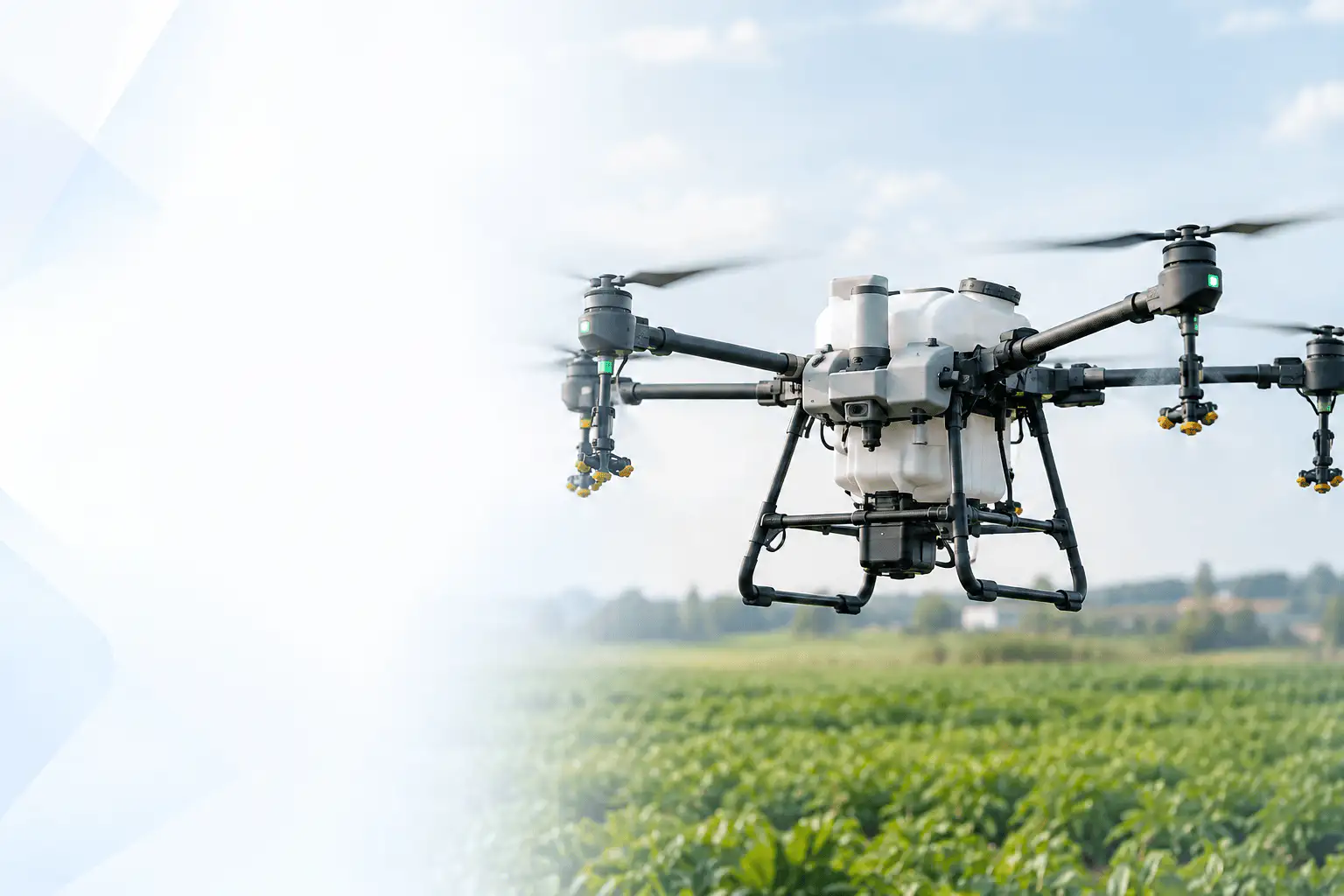
Third, read how the policy handles payload. Spraying drones carry tanks, pumps, and nozzles that can fail or get damaged independently of the airframe. Some policies treat these as part of the hull. Others exclude them or require separate coverage. This is a common gap that catches operators off guard during ag drone insurance shopping.
Fourth, verify the liability limits. If you're flying over crops you don't own, which is most ag drone work, you need coverage that protects you if your operation damages the client's field, neighboring property, or equipment on the ground. A $1 million liability limit might seem like enough until you account for the value of a mature crop or an irrigation system. Check whether the best agriculture drone insurance options you're comparing carry higher limits or offer them as an add-on.
Fifth, ask about coverage for chemical drift. This one is specific to spraying operations. If your drone applies product and that product drifts onto an adjacent field, the liability exposure can be significant. Many general policies won't cover it. Policies written through underwriters with actual ag drone experience are more likely to address this directly.
When you're doing serious ag drone insurance shopping, it's also worth asking how claims are handled. We've issued more than 300,000 commercial drone insurance policies and maintained nearly perfect 5-star customer support ratings because fast, clear claims handling matters as much as the coverage itself. A policy that takes months to process a claim isn't worth much during a busy season.
One more thing worth checking: is the policy written on an annual basis or can it be structured with flexible options that match how often you actually fly? Agricultural drone insurance that lets you scale coverage to your operation is a better fit for operators who work seasonally or take on variable contracts.
If you're comparing quotes for a multi-drone operation, confirm whether each aircraft needs to be listed separately and whether adding a new drone mid-policy requires a full rewrite. These details are buried in the fine print but they affect your actual cost and flexibility. For a clearer starting point on what commercial drone insurance typically includes, it helps to see policies written specifically for operations like yours.
The bottom line: when you compare agriculture drone insurance quotes, don't stop at the price. A cheaper quote that excludes chemical drift, underinsures your hull, or caps liability below your actual risk exposure isn't a better deal. It's just a lower number on a document that may not protect you when it counts.
Frequently Asked Questions
How much does ag drone insurance typically cost per year?
Annual premiums for ag drone insurance vary based on the type of work, liability limits, hull value, and flight hours. Most commercial ag drone operators pay somewhere between $500 and $2,500 per year for a policy that includes both liability and hull coverage. Spraying operations tend to pay more than scouting operations due to the higher liability exposure from chemical application.
Does standard drone insurance cover crop spraying?
Not always. Many general commercial drone policies exclude or limit coverage for chemical application work. When choosing an ag drone policy for spraying, look specifically for language that covers pesticide or fertilizer application and chemical drift liability. Policies written through underwriters who specialize in agricultural operations are more likely to include this coverage by default.
What liability limits should an ag drone operator carry?
Most ag drone operators carry at least $1 million in liability coverage, but operators flying over high-value crops or working near populated areas often carry $2 million or more. The right limit depends on the value of the property below your flight path and any contract requirements set by the landowner or agribusiness client.
Is hull coverage required for ag drone work, or just liability?
Hull coverage is not legally required in most cases, but it is strongly recommended given the cost of agricultural drones, especially spraying platforms that can run $15,000 to $30,000 or more. Some contracts or lenders may require hull coverage as a condition of the agreement. Comparing quotes that include hull coverage alongside liability gives you a more accurate picture of your total protection.
Ready to see real numbers for your operation? Get a quote at skywatch.ai.