Why This Checklist Matters Before You Sign Anything
Buying your first aircraft is a significant financial and legal commitment. Unlike buying a car, there is no Carfax, no dealer warranty, and no standard consumer protection framework. What you get is what you inspect, and what you miss during the buying process can cost you far more than the purchase price in repairs, legal exposure, or denied insurance claims down the road.
This checklist walks you through every major area to review before you hand over a deposit. Work through it methodically, ideally alongside a qualified aviation mechanic and a pilot with experience in the specific aircraft type you are considering.
Pre-Purchase Inspection: Set the Foundation Right
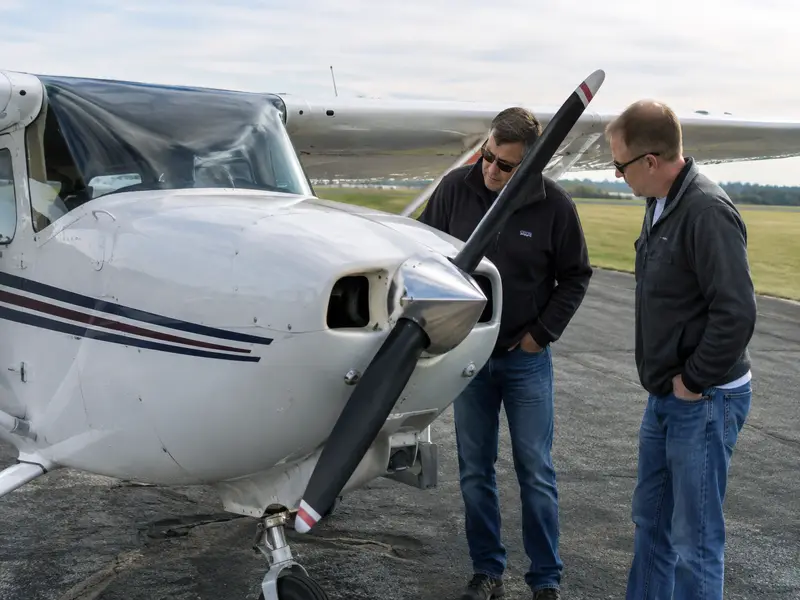
A pre-purchase inspection (PPI) is not optional. It is the single most important step in the buying process. Hire an A&P mechanic who has no relationship with the seller, ideally one who specializes in the aircraft make and model you are buying. Do not use the seller's home mechanic.
The inspection should take place at a maintenance facility where the aircraft can be properly examined, not on a grass strip in a seller's hangar. Expect to pay $500 to $1,500 or more depending on aircraft complexity. That cost is insignificant compared to discovering a cracked spar or a failing engine after purchase.
What the Pre-Purchase Inspection Should Cover
- Full visual inspection of airframe, control surfaces, and flight controls
- Engine compression test and borescope inspection of cylinders
- Review of all maintenance squawks and open items
- Verification that all Airworthiness Directives (ADs) are complied with
- Inspection of landing gear, brakes, and tires
- Fuel system check including tanks, caps, and sumps
- Avionics function test
- Logbook cross-reference with physical aircraft condition
Airframe Inspection Points
The airframe is the skeleton of the aircraft. Damage here can affect structural integrity, future repairability, and resale value. Ask specifically about any history of hard landings, ground strikes, or hangar rash repairs.
Key Airframe Items to Verify
- Look for corrosion, especially in the belly, wing spar carry-through, and control hinges
- Check for previous damage repairs. Look for mismatched paint, rippled skin, or asymmetric rivet patterns
- Inspect door and window seals for deterioration
- Verify that any STCs (Supplemental Type Certificates) are properly documented and do not void any warranties or create AD compliance issues
- For older airframes, check total airframe time against manufacturer limits if applicable
Engine Condition and Hours
The engine is often the most expensive component to repair or replace. A factory new or rebuilt engine can cost $30,000 to $50,000 or more on a common four-cylinder piston aircraft. Understanding where the engine stands in its life cycle will directly influence what you pay and what you budget for future maintenance.
Engine Checklist Items
- Total time since new (TTSN) and time since major overhaul (SMOH)
- Compare hours to manufacturer's recommended Time Between Overhaul (TBO)
- Review oil consumption trends from maintenance records
- Request oil analysis history if available
- Compression readings: healthy cylinders typically read 72/80 or better
- Borescope inspection to check cylinder walls, pistons, and valves for wear or damage
- Check for evidence of oil leaks on the engine case and accessories
- Confirm prop strike history, even minor ones, since these can require costly inspections
Note that engines sitting unused for long periods can cause more internal corrosion than engines flown regularly. Low total time on a long-dormant engine is not automatically a plus.
Avionics: Function, Compliance, and ADS-B
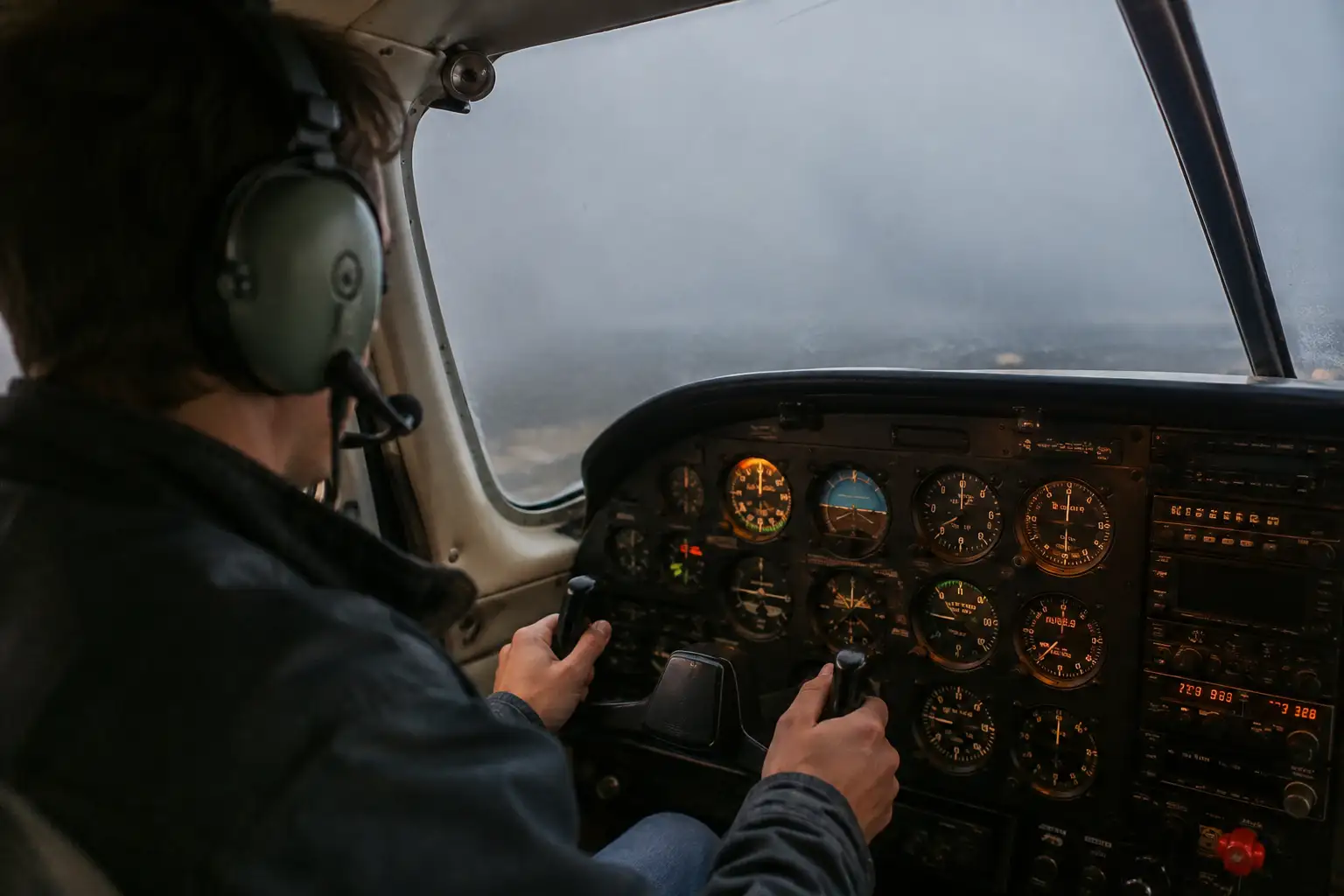
Avionics condition varies widely in used aircraft. A panel full of older analog instruments may be perfectly functional, or it may be hiding deferred maintenance and outdated components that no longer meet regulatory requirements.
- Confirm ADS-B Out compliance. Since January 1, 2020, ADS-B Out is required in most controlled airspace in the U.S.
- Verify that the transponder and altimeter/encoder have current 24-month certifications
- Check that the ELT has a current battery and has been inspected within the last 12 months
- Test the radio and confirm intercom functionality
- For glass panel aircraft, confirm software is current and databases are or can be kept up to date
- Ask about any avionics squawks that have been deferred
Logbook Review
Logbooks are the legal and historical record of the aircraft. Incomplete or inconsistent logbooks are a red flag, and in some cases a dealbreaker. Gaps in records can make it difficult to establish compliance with ADs, confirm maintenance history, or even obtain owned aircraft insurance.
What to Look for in the Logbooks
- Continuous, unbroken maintenance entries from new or from the earliest available date
- Signed entries by appropriately certificated mechanics or repair stations
- Annual inspection sign-offs with no gaps
- AD compliance entries with specific AD numbers, revision dates, and compliance methods
- Engine and propeller logbooks separate from the airframe logbook
- Documentation of all modifications, repairs, and STC installations
If logbooks are missing or incomplete, get a significant price reduction or walk away. Reconstructed logbooks carry legal and insurance implications you do not want to inherit.
Title Search and Lien Check
Aircraft titles in the U.S. are registered with the FAA Aircraft Registry. Before you purchase, conduct a title search to confirm the seller has clear legal ownership and that no liens exist against the aircraft.
- Search the FAA Aircraft Registry at registry.faa.gov using the N-number
- Hire an aviation title search company for a thorough lien check. Costs are typically $75 to $200 and are worth every dollar
- Confirm there are no open loans, mechanic's liens, or legal encumbrances on the aircraft
- Use an escrow service for the transaction, especially for purchases above $10,000
- File the FAA Bill of Sale (Form 8050-2) and Aircraft Registration Application (Form 8050-1) promptly after closing
Buying an aircraft with an undiscovered lien can result in repossession after you have paid full price. This is not a theoretical risk. It happens.
Insurance Considerations for First-Time Owners
Once you own an aircraft, you are financially responsible for hull damage, liability to passengers and third parties, and hangar liability in some cases. Aviation insurance is not legally required in most U.S. states, but it is practically essential. Lenders will require it, most flight schools and FBOs will require it if you receive instruction in your aircraft, and flying without coverage exposes your personal assets to substantial risk.
For those buying a piston single, single-engine aircraft insurance is available through specialized aviation insurers and is priced based on factors including your total flight hours, aircraft value, annual usage, and pilot certificate level. First-time owners with fewer than 200 hours will typically pay more than experienced pilots, but coverage is available.
If you have been flying as a renter pilot before this purchase, note that your previous aircraft renters insurance does not transfer to an owned aircraft. You will need a separate owner's policy from day one.
Get your insurance quote lined up before closing, not after. Some aircraft are more difficult to insure due to type, age, or modification history, and you want to know that before you are the owner.
Frequently Asked Questions
Do I need a pre-purchase inspection if the aircraft has a current annual inspection?
Yes. A current annual confirms the aircraft was airworthy at the time of the inspection. It does not tell you about trends, upcoming maintenance items, or issues that fall outside the annual inspection scope. A pre-purchase inspection is specifically focused on what you need to know as a buyer.
Can I get aircraft insurance as a student pilot or low-hour private pilot?
Yes, though your options and premiums will reflect your experience level. Many insurers will require a minimum number of hours in type, dual instruction before solo flight in the aircraft, or a specific checkout program. Discuss your pilot certificate and total time with an insurer before finalizing your purchase.
What happens if the logbooks are missing?
Missing logbooks create significant problems for insurance, resale, and proving AD compliance. Some insurers will decline coverage or require special conditions. If you buy an aircraft with missing logs, work with an A&P and your insurer early to understand your options and any limitations.
How do I find out if an aircraft has a lien against it?
Search the FAA Aircraft Registry online using the aircraft's N-number, then hire an aviation title company for a complete lien search. The FAA registry search is free but a professional title search is more thorough and worth the cost for any significant purchase.
Does my renters insurance cover me after I buy my own aircraft?
No. Aircraft renters insurance covers you when flying aircraft you do not own. Once you purchase an aircraft, you need an owner's policy. There is no grace period or overlap. Secure your owner's coverage before or at the time of closing.
Ready to protect your aircraft? Get a quote in minutes.
Get a Quote