Most commercial drone pilots think about airspace. Controlled vs. uncontrolled, waivers, TFRs. But the question that comes up constantly in real jobs is more basic: does my insurance actually protect me if something goes wrong while I'm flying over someone's land?
The short answer is yes, your commercial drone insurance covers third-party liability on private property. But what that means in practice, and where the gaps show up, is worth understanding before your next job.
What liability coverage actually does on private property
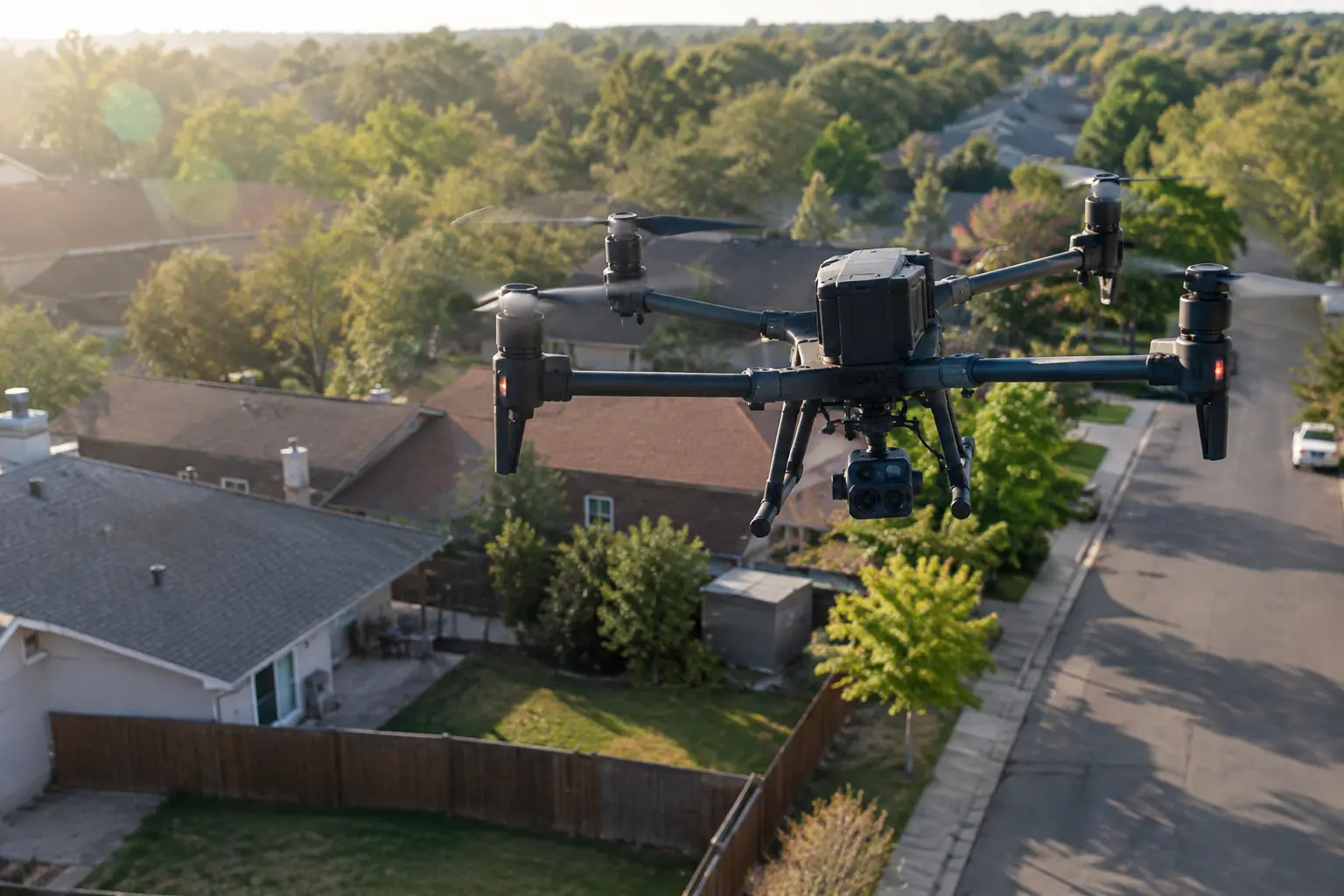
When you fly over or near private property, the primary risk is third-party liability: property damage or bodily injury caused to someone else. Your drone liability insurance is designed exactly for this. If your drone clips a structure, falls and damages a vehicle, or injures someone on the ground, your liability policy responds.
Standard commercial drone liability coverage includes:
This applies whether you are flying over a client's property with permission or working adjacent to a property you do not have direct access to. The key is that your policy needs to be active, your declared use type needs to match the work you are doing, and you need to be operating within FAA rules.
Where the complications start: privacy claims
Property damage and bodily injury are clear-cut. Privacy claims are not.
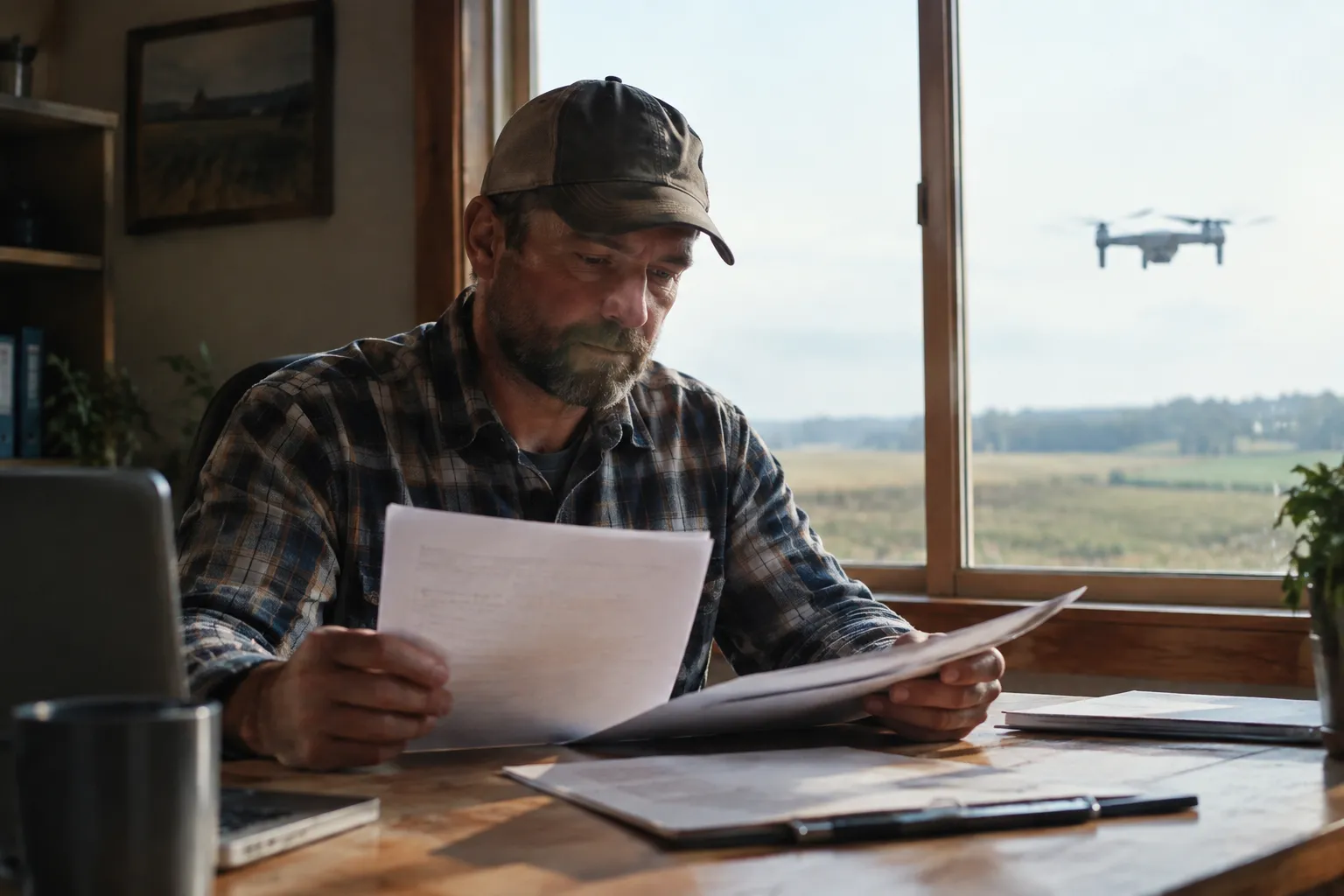
When you fly over private land with a camera on board, particularly residential areas, you can capture footage of people, vehicles, and activity that those people never consented to. Even if you have no intention of using that footage, the act of capturing it can trigger a privacy complaint or, in some cases, a legal claim.
This is where many standard drone liability policies are thin. Basic commercial drone insurance covers physical damage and injury. Personal injury coverage, which includes invasion of privacy, is a separate endorsement that not all policies include by default.
If you regularly fly over residential areas, near neighborhoods, or on jobs where you are capturing footage of private individuals, check whether your policy includes personal injury coverage. It is worth asking before you need it.
Getting permission is not the same as having coverage
A lot of pilots assume that if the landowner gave permission to fly, they are fully protected. Permission from the property owner removes a potential trespassing issue. It does not replace your insurance or expand your coverage.
If something goes wrong on a job and you cause damage to a neighboring property or injure a bystander, the property owner's permission for your flight does not factor into what your insurer will cover. Your policy terms do.
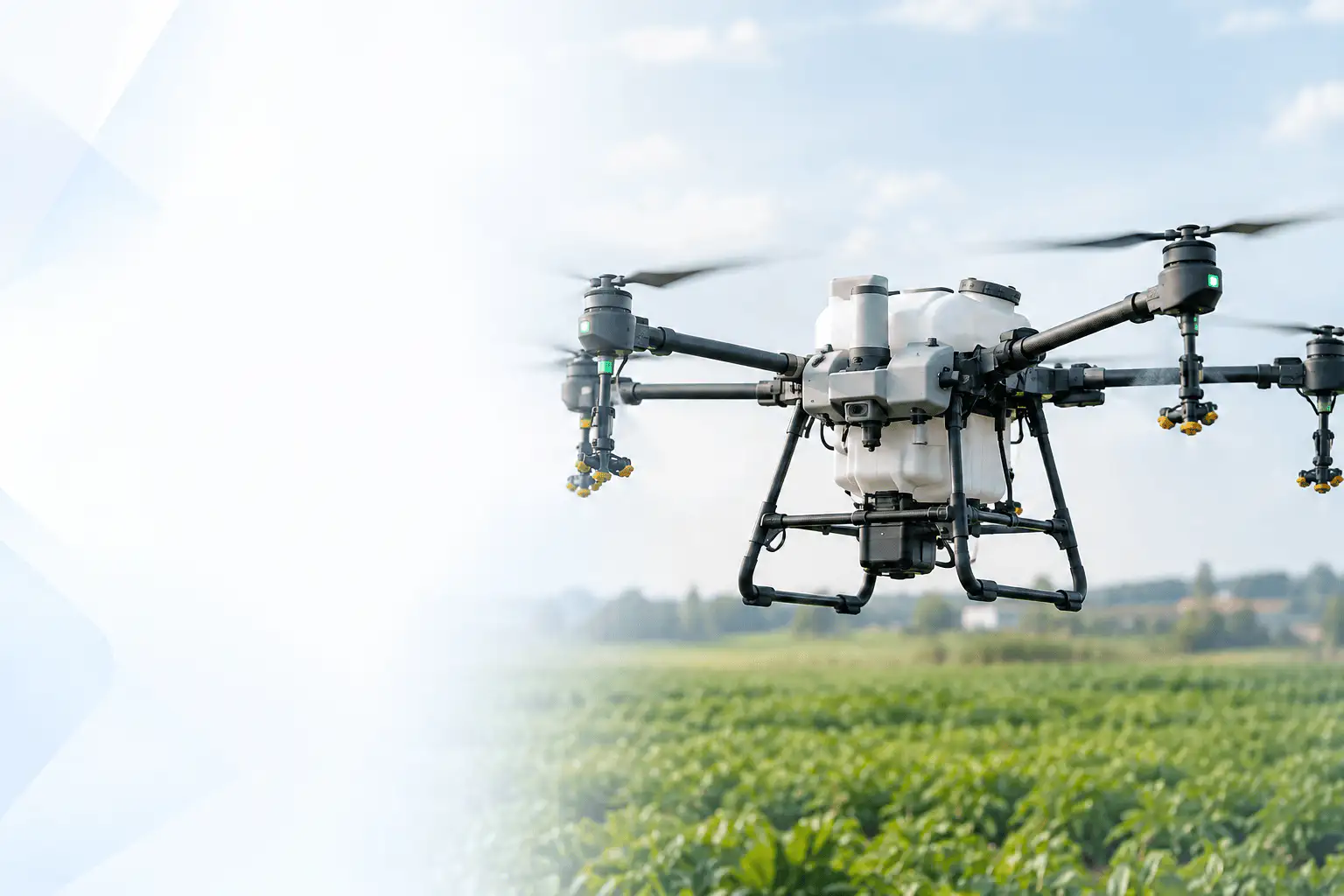
This distinction matters especially on agricultural, construction, and inspection jobs where your flight path may cross multiple parcels of land. You might have permission from your client, but third parties on adjacent property are still third parties from an insurance standpoint.
What to confirm before flying over private land
A quick pre-job insurance check takes about two minutes and can save a lot of headaches:
With SkyWatch, all of this happens from the app. You can activate coverage, update your scope of use, add an additional insured, and pull your certificate of insurance before you load your equipment in the truck. No broker call, no waiting period.
One thing worth noting about FAA rules and your coverage
Flying over people, moving vehicles, or at night without proper FAA authorization is not just a regulatory issue. Most drone insurance policies include exclusions for flights that violate FAA regulations. If a claim arises from a flight that was outside your approved operational parameters, your insurer can deny coverage.
This is not a gray area. Stay within your Part 107 authorization, get waivers when the job requires them, and make sure your policy knows what you are flying and where.
Private property jobs are the bread and butter of commercial drone work. Your drone insurance is built to protect you on those jobs. Knowing exactly how that protection works means you can take on clients confidently, deliver the certificate they need, and focus on the flight.