Hurricane season, nor'easters and severe thunderstorms put aircraft at risk even when they never leave the ground. Wind can move or flip a tied-down airplane, hail can dent skin and crack windscreens, and flood water can reach a hangar floor in minutes. If you own or rent aircraft on the US East Coast, it helps to understand how insurance fits into storm preparation before the forecast turns.
This guide covers the basics for owners and renter pilots: what storm damage can involve, what to check in your policy, how to prepare, and answers to common questions. Policy terms vary by insurer and by policy, so treat this as a checklist of questions to ask, not a statement of what your policy covers.
How storms can damage an aircraft
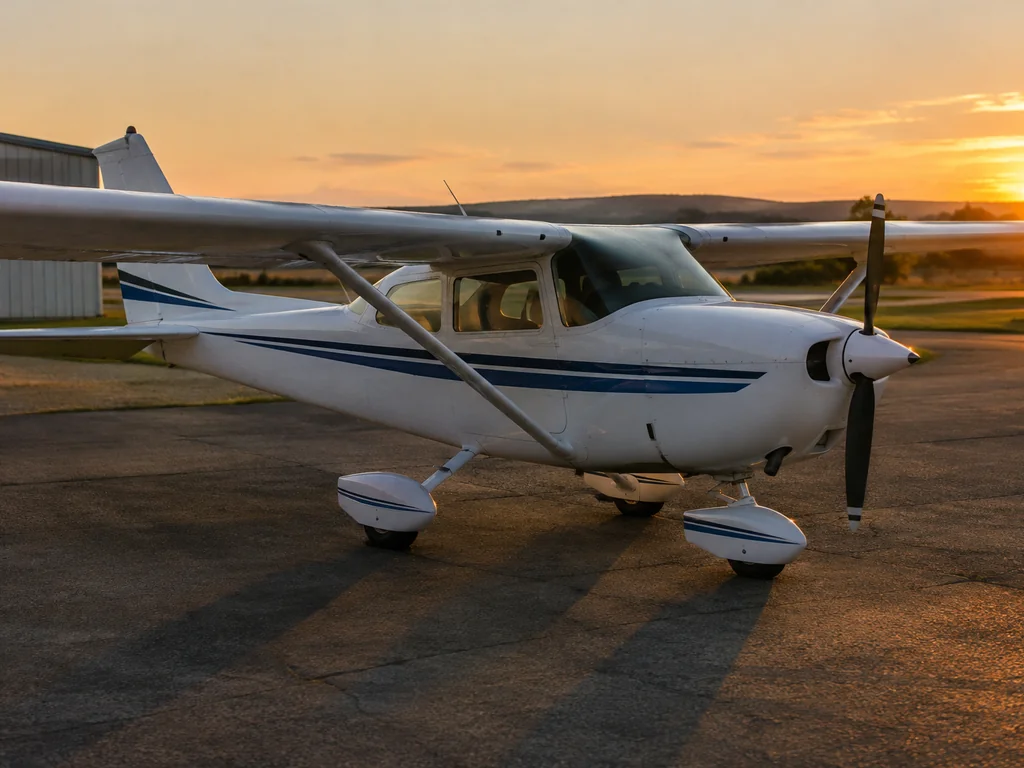
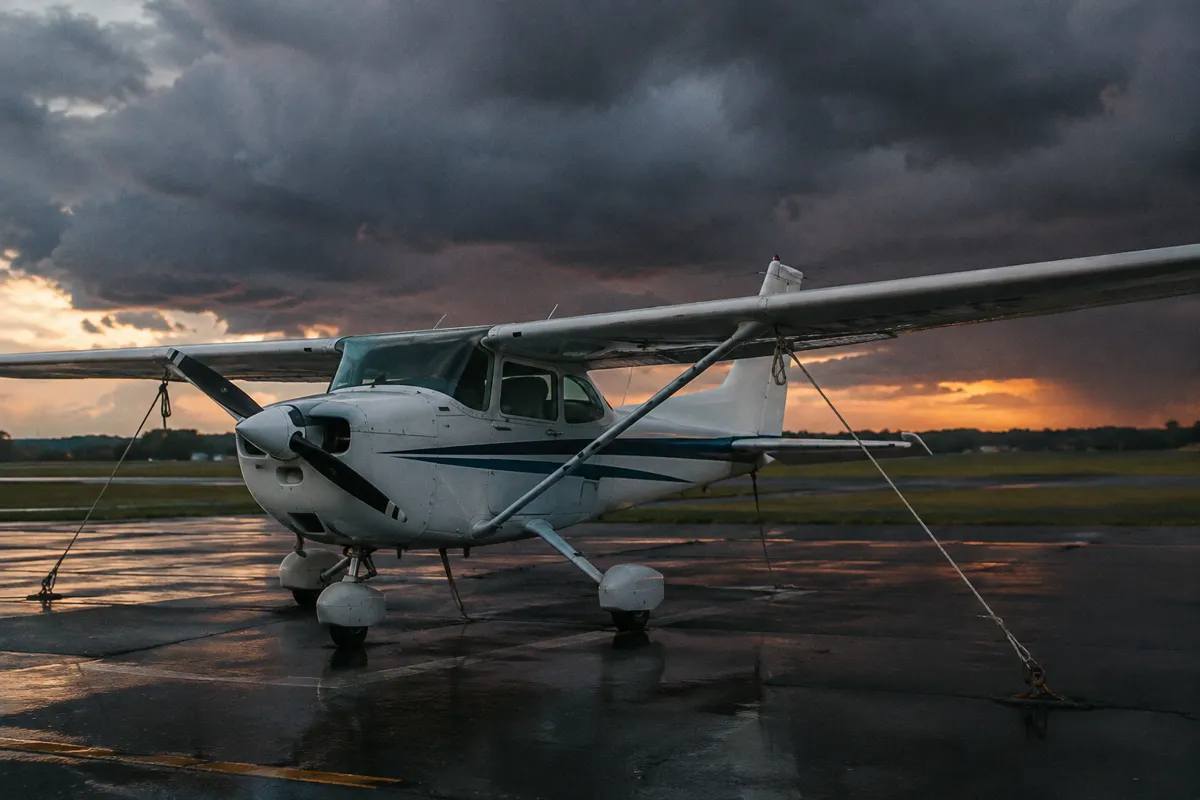
Most storm losses happen on the ground. The usual causes are:
- Wind. Strong gusts can break tie-downs, push aircraft into each other, or damage control surfaces.
- Hail. Hail can dent wings and stabilizers, damage paint and crack windows.
- Flooding and storm surge. Water can damage avionics, interiors and engines, and coastal airports are especially exposed.
- Debris and hangar damage. Flying debris, a collapsing hangar door or a roof failure can damage aircraft stored inside.
- Lightning and power surges. Strikes can affect electrical systems and avionics.
What to check in your policy before a storm
Your hull coverage is the part of the policy that deals with physical damage to the aircraft. Whether it responds to a given storm event depends on how your policy is written. Read the policy, or ask your agent, about these points:
- Is ground damage from wind, hail and flood covered while the aircraft is parked, tied down or in a hangar?
- Are there exclusions or conditions for named storms or hurricanes, such as separate deductibles or storage requirements?
- Does the policy expect the aircraft to be stored or moved a certain way when a storm is forecast?
- Is the avionics package included in the insured value, and is the insured value current?
- Does coverage change if the aircraft is moved to a different airport to avoid the storm?
Get the answers in writing where you can. Wording like "named storm" and "storage" carries real weight when a loss is reviewed.
If you rent: the FBO's policy is not yours
Renter pilots often assume that damage to a rental aircraft on the ramp is the operator's problem. The operator's insurance is built to protect the operator, and your rental agreement decides what you are responsible for. Read it before you book a flight in unsettled weather. Our guide to non-owned aircraft insurance coverage limits explains how renters coverage fits alongside the rental agreement, and SkyWatch aircraft renters insurance is available on flexible terms. Eligibility and terms depend on your experience and the aircraft.
A storm preparation checklist for aircraft owners
- Review your policy now. Do this before a storm is named, not after.
- Check the insured value. If you have upgraded the panel or engine, make sure your insurer knows.
- Move the aircraft if you can do so safely. A hangar built for the conditions, or an inland airport, may be a better place to wait out a storm. Do not take a flight that stretches your limits or weather minimums to do it.
- Secure what stays outside. Use proper tie-downs, chocks and control locks, and remove loose items from the cabin.
- Document the aircraft. Take dated photos of the exterior, interior and avionics, and keep logbooks and records somewhere safe, not in the aircraft.
- Save your insurer's contact details where you can reach them if power or internet is out.
Flying near storms is a separate question
Storm damage on the ground and an accident in flight are treated differently. Insurers can look at the decisions a pilot made, and a flight into conditions outside a pilot's or aircraft's limits can raise questions about coverage. The safest answer to a developing storm is to stay on the ground. If you own an aircraft, ask what your aircraft insurance expects of the pilot, and if you fly a single-engine aircraft, ask how the policy treats it in your region.
SkyWatch is here to help you prepare
If a storm is heading for your area and you are not sure what your coverage says, contact SkyWatch. Our team can help you understand your options and what to ask your insurer. Being prepared before a storm is easier than sorting things out afterwards.
Frequently Asked Questions
Does aircraft insurance cover hurricane damage?
It depends on the policy. Many hull policies respond to physical damage from wind and other weather events, but some have named storm conditions, special deductibles or storage requirements. Ask your insurer how your policy treats hurricanes before storm season.
Is my aircraft covered while it is parked outside during a storm?
Coverage for a parked aircraft depends on your policy terms. Some policies draw a distinction between hangared and tied-down aircraft, so check what yours says about storage and ground risk.
Should I fly my aircraft out of the storm's path?
Only if you can do it safely, within your own limits and the weather minimums. Moving an aircraft inland or into a hangar can reduce the risk, but a flight in deteriorating weather adds its own risk. When in doubt, talk to your instructor, your airport manager and your insurer.
Does flood damage count as storm damage?
Not always. Flood and storm surge are sometimes treated differently from wind and hail, and policies handle them in different ways. Ask your insurer whether flood damage is included and what conditions apply.
I rent aircraft. Do I need to worry about storm damage?
Your responsibility depends on your rental agreement and any coverage you hold. Read the agreement, ask what you would be responsible for if a rental aircraft were damaged on the ramp, and consider whether renters coverage fits your situation.
Will my premium change if I add avionics or upgrade my aircraft before storm season?
It can. A higher insured value may affect the price, and an out-of-date value can leave a gap. Tell your insurer about significant upgrades and ask how the agreed value is updated.
What should I keep on record in case of storm damage?
Keep dated photos of the aircraft, your logbooks, invoices for major work, and a copy of your policy somewhere you can reach them off site.
Can I change my coverage when a storm is already forecast?
Insurers may restrict changes once a named storm is close, so it is better to review your coverage early in the season. Ask your insurer about their rules.