

Why This Checklist Matters Before You Sign Anything
Buying your first light aircraft is a significant financial and legal commitment. Unlike buying a car, there is no Carfax report, no dealer warranty, and no straightforward consumer protection if you miss something important during the purchase process. The due diligence is entirely on you, and the consequences of skipping steps can be expensive. This checklist walks you through the key areas to inspect, verify, and confirm before you hand over a deposit or sign a bill of sale.
Pre-Purchase Inspection: Start Here
Before anything else, hire an independent aviation mechanic to perform a pre-purchase inspection. Do not rely on the seller's maintenance shop or a mechanic they recommend. Find someone with no financial relationship to the seller, ideally one familiar with the specific aircraft type you are buying.
A thorough pre-purchase inspection should include a full annual inspection-level review of the airframe, engine, and systems. Budget for it. Cutting corners here is one of the most common and costly mistakes first-time buyers make.
What the Inspection Should Cover
- All control surfaces and hinges for wear, corrosion, and proper rigging
- Fuel system components including tanks, caps, vents, and selectors
- Landing gear, brakes, and tires
- Electrical system condition and any known squawks
- Interior condition, which can reveal hidden water damage or deferred maintenance
- Any visible corrosion, especially in the wing spar carry-through area
Airframe Condition and History
The airframe is the foundation of the aircraft. Look closely at total time in service, any recorded damage history, and whether the aircraft has had major repairs that required a Form 337 filed with the FAA.
What to Look For
- Review all FAA Form 337s for major alterations or repairs. These are filed with the FAA and should be in the aircraft records.
- Check for corrosion, especially in areas prone to moisture accumulation like belly skins, wing attach points, and control cable routes.
- Ask directly whether the aircraft has been in any accidents or incidents, even minor ones. Some sellers will disclose; others will not. The logbooks and title history will tell the real story.
- Verify all Airworthiness Directives (ADs) applicable to the airframe are complied with and documented.
Engine Condition and Time Remaining
Engine status directly affects both safety and value. Two numbers matter most: time since new (TSN) and time since major overhaul (SMOH). Engines have a manufacturer-recommended Time Between Overhauls (TBO), and an engine approaching or past TBO will need work soon, which affects your pricing negotiation.
Key Engine Checks
- Confirm actual hours against logbook entries. Discrepancies are a red flag.
- Review compression test results. Ask your mechanic to perform one during the pre-purchase inspection.
- Check for oil consumption history and any recorded oil analysis reports.
- Look for evidence of prop strikes in the logbook. An undisclosed prop strike can cause internal engine damage that is not visible externally.
- Verify AD compliance for the engine and propeller.
If the engine is near TBO, budget $15,000 to $30,000 or more for an overhaul, depending on engine type. Factor this into your offer.
Avionics and Equipment
Avionics can add significant value to an aircraft or create hidden costs if equipment is aging, out of compliance, or approaching end-of-life for support.
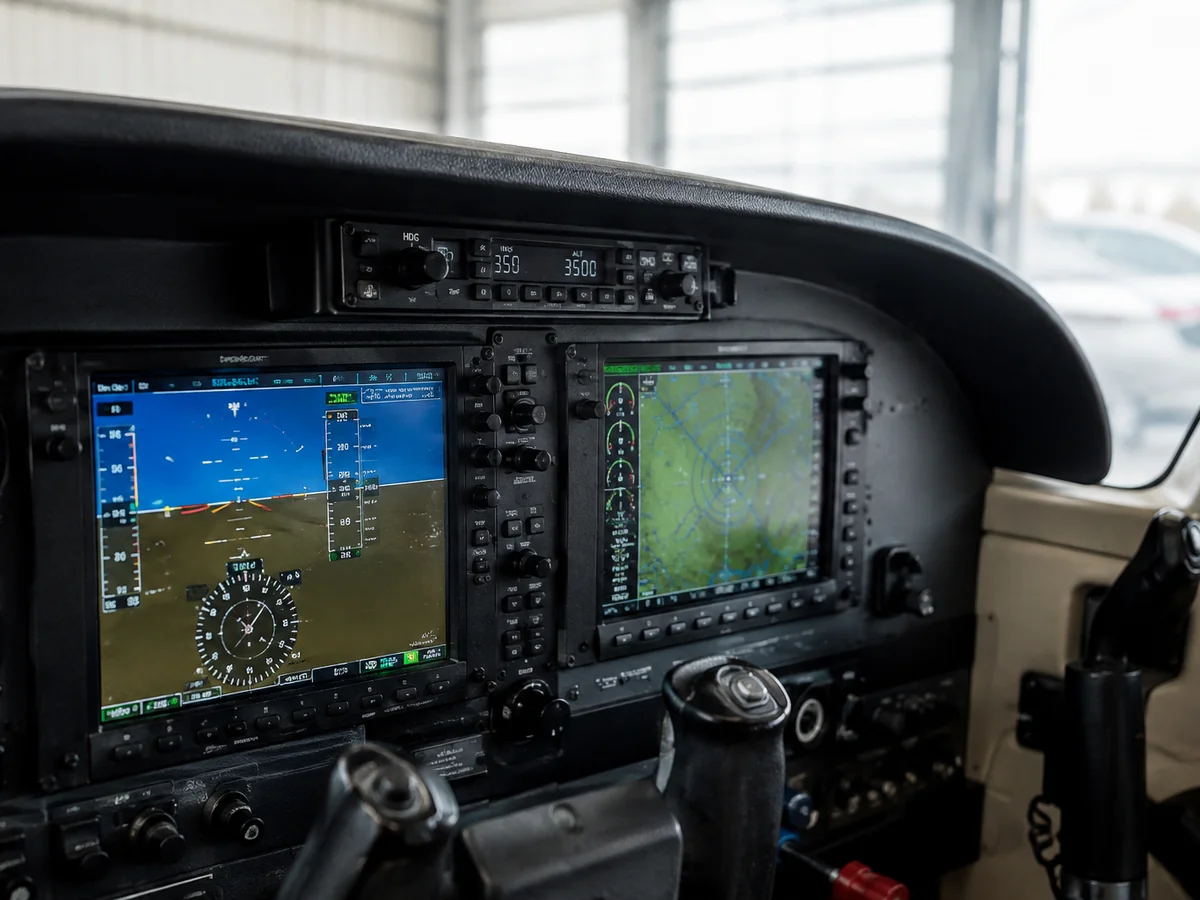
- Confirm ADS-B Out compliance. As of January 2020, ADS-B Out is required in most controlled airspace. If it is not installed, this is a negotiating point.
- Check the IFR certification status of the navigation and communication equipment if you plan to fly instrument flight rules.
- Verify transponder and altimeter certifications are current (required every 24 calendar months).
- Review ELT status, including battery expiration date.
- Ask about any avionics that are no longer supported by the manufacturer, as replacements can be costly.
Logbook Review
The logbooks are the paper trail of the aircraft's life. Missing or incomplete logbooks are a serious issue and will affect both resale value and insurability. Ideally, you want continuous logbook records from new.
- Confirm the airframe, engine, and propeller each have their own logbooks.
- Look for consistent entries with no unexplained gaps in time or hours.
- Check that annual inspections are current and signed off by a certified A&P mechanic with IA authorization.
- Verify that all required AD compliance entries are documented with the AD number, method of compliance, and mechanic signature.
- Watch for white-out, erased entries, or inconsistent handwriting, which can indicate altered records.
Title Search and Legal Clearance
Aircraft titles work differently than vehicle titles. The FAA maintains a registry of aircraft ownership and recorded liens. Before closing, you need to confirm the seller actually owns the aircraft free and clear.
- Run a title search through the FAA Civil Aviation Registry or use a title search company that specializes in aircraft.
- Check for any recorded liens, loans, or encumbrances on the aircraft registration number (N-number).
- Confirm the aircraft has a valid airworthiness certificate and that the registration is current.
- Use an aviation title company or aviation attorney to handle the closing if you are not experienced with the process. The cost is modest relative to the risk of a defective title.
Aircraft Insurance: Set It Up Before the First Flight
Once you own the aircraft, you need coverage in place before you fly it. As a first-time owner, understanding your options matters. Owned aircraft insurance covers hull damage and liability, and the specifics of your policy, including pilot requirements, use limitations, and coverage limits, will be reviewed at the time of underwriting.
The type of aircraft you buy also shapes your insurance options. Owners of piston singles can look into single-engine aircraft insurance designed specifically for that category, which often reflects the actual risk profile of the aircraft and pilot more accurately than a one-size-fits-all policy.
If you are not quite ready to own but want to fly club or rental aircraft while you consider a purchase, aircraft renters insurance is worth having in the meantime. It covers you for non-owned aircraft and fills gaps that the flight school or club policy does not cover for individual renters.
When you are ready to get quotes, having accurate information on hand speeds up the process. You will need the aircraft make, model, year, and N-number, plus your pilot certificates, total flight hours, hours in type, and intended use of the aircraft. For a full overview of what coverage looks like for owners, see the aircraft insurance options available through SkyWatch.
Frequently Asked Questions
Do I need aircraft insurance before I take delivery?
Yes. You should have a policy in place and effective before you take the first flight as the new owner. Flying an uninsured aircraft exposes you to significant personal financial liability, and most lenders will require proof of insurance before releasing funds at closing.
What happens if the aircraft has a damage history?
A prior damage history does not automatically disqualify an aircraft from purchase or insurance, but it needs to be documented and repaired properly. Insurers will want to know the extent of any prior damage and how it was repaired. An undisclosed damage history discovered after purchase can create coverage complications.
How much does a pre-purchase inspection cost?
Costs vary by aircraft type and location, but a thorough pre-purchase inspection typically runs between $500 and $1,500 for a basic piston single. If the mechanic finds items that need further investigation, costs can increase. It is money well spent compared to discovering problems after you own the aircraft.
What is a Form 337 and why does it matter?
FAA Form 337 is a Major Repair and Alteration form that documents significant work done to the airframe, engine, propeller, or appliances. These forms are submitted to the FAA and kept in the aircraft records. Reviewing all 337s on file gives you a picture of any non-standard work, modifications, or major repairs the aircraft has had.
Can I get insurance on an aircraft with high total time or an engine past TBO?
Generally yes, though underwriters will factor it into their assessment. An engine past TBO is not automatically uninsurable, but it may affect your premium and the insurer may have questions about the maintenance plan going forward. Transparency with your insurer about the aircraft's condition is always the right approach.
Ready to protect your aircraft? Get a quote in minutes.
Get a Quote