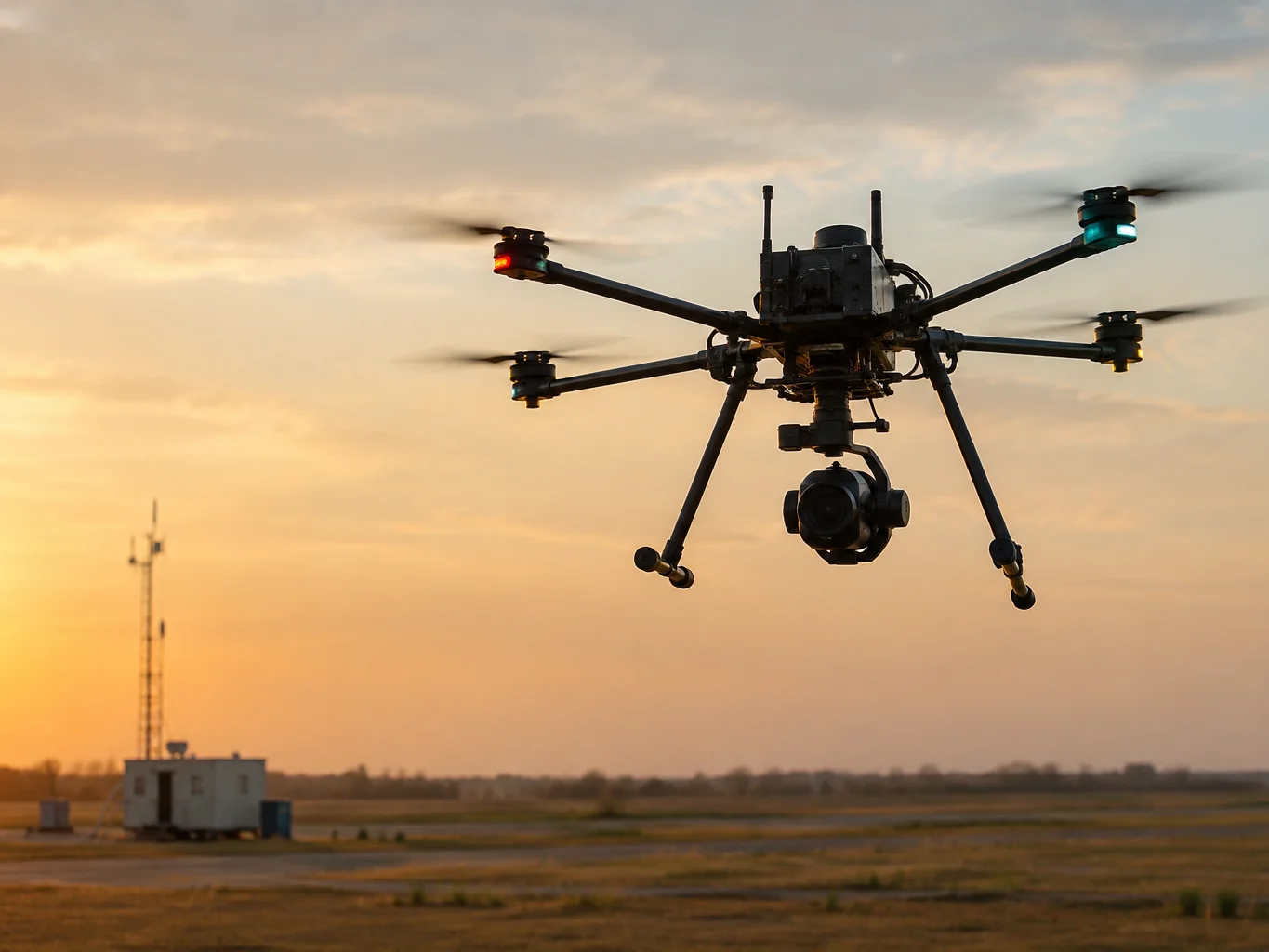

If you operate drones commercially in agriculture, you already know that landing a contract often comes down to one document: a certificate of insurance. Farms, co-ops, and land management companies rarely let an operator set up before they see proof of coverage. And not just any proof. They want specifics, they want it fast, and they sometimes want to be listed on it. Knowing how to handle that request, without scrambling, is part of running a professional ag drone business.
Being a ag drone insurance holder is one thing. Being able to produce a certificate of insurance ag drone operator documentation on demand is another skill entirely. This post breaks down what landowners actually ask for, why it matters, and how to get a COI issued quickly when a client needs it before work starts.
What Landowners and Farms Actually Want to See
Most farms asking for a COI for ag drone services are not doing it to be difficult. They are protecting themselves from liability if something goes wrong during an application flight. A sprayer drone that drifts over a neighboring property, or a sensor platform that goes down in a field, can create real exposure. The landowner wants documentation showing that your policy, not theirs, covers that risk.
At minimum, a certificate of insurance ag drone operator should show the insurer's name, your name as the insured, the policy number, the effective dates, and the coverage limits. Most agricultural clients want to see at least $1 million in liability coverage per occurrence, though some larger operations or co-ops require $2 million. If you are applying pesticides or fertilizers, that coverage needs to extend to aerial application work specifically. A generic hobby drone policy will not meet that bar.
The additional insured certificate agriculture requirement is where things get specific. Some farm clients want to be listed as an additional insured on your policy, which means they get their own formal protection under your coverage for the duration of the job. This is a common commercial request and a legitimate one. Make sure your insurer can accommodate it before you make promises to a client.
It is also worth understanding what your COI does not cover. Ag drone insurance proof typically covers third-party bodily injury and property damage. It may or may not include hull coverage for your own aircraft, payload coverage for your sensors or spray system, or non-owned aircraft liability. Read your policy carefully and be ready to explain the limits when asked.
How to Get and Issue a COI for Commercial Ag Drone Work
The process should be simple. With the right insurer, it is. We've issued more than 300,000 commercial drone insurance policies, and one of the most common requests we get is for fast certificate turnaround when an operator has a job starting within days or hours. That kind of speed matters in agriculture, where spray windows close fast and planting schedules do not wait.
When you purchase a commercial drone insurance policy, your insurer should be able to generate a COI on request. That certificate should be downloadable, shareable by email, and named correctly with your client's information if they are listed as an additional insured. If your current provider makes that process painful, that is worth noting.
We work with underwriters who specialize in ag drone operations, which means the coverage is built around how these flights actually work, including multi-day field programs, chemical application, and operations across multiple parcels. A certificate of insurance ag drone operator pulls from that policy, so when a farm manager reads it, the language matches what they are looking for. That matters more than people realize. A certificate that lists vague aviation liability without specifics can create confusion and slow down a job start.
If you need to add a farm or landowner as an additional insured, request it directly from your insurer when you purchase or renew. Some platforms let you do this in a self-service portal. Others require a call. Either way, build that step into your pre-job checklist so it never catches you off guard. Our nearly perfect 5-star customer support means operators can get help with certificate requests quickly, without being passed around or put on hold for hours.
One practical note: keep a copy of your current COI saved somewhere accessible from your phone. Landowners sometimes ask for it in the field, not in advance. Being able to produce agricultural drone insurance documentation on the spot signals professionalism and builds trust before you even start the flight.
The certificate of insurance ag drone operator documentation you provide reflects directly on how seriously you take the work. Farms are trusting you with their crops, their land, and their liability exposure. Getting the paperwork right is part of earning that trust.
Frequently Asked Questions
How much liability coverage do ag drone operators typically need for a certificate of insurance?
Most farms and landowners require a minimum of $1 million per occurrence in general liability coverage. Larger agricultural operations, co-ops, or clients with formal vendor requirements may ask for $2 million per occurrence or $2 million aggregate. If your work involves pesticide or fertilizer application, confirm that your policy explicitly covers aerial application operations, not just general drone use.
Can an ag drone operator add a farm as an additional insured on their certificate?
Yes, most commercial ag drone insurance policies allow the policyholder to add a farm, landowner, or co-op as an additional insured on the certificate. This gives the listed party direct coverage under your policy for claims arising from your operations on their property. Request this from your insurer before the job starts, as it typically needs to be processed before the certificate is issued.
How quickly can a certificate of insurance be issued for an ag drone job?
With a policy already in place, a COI can typically be generated within minutes through a self-service portal or by contacting your insurer directly. Some platforms allow operators to download or email certificates instantly. If you need to add an additional insured, allow extra time for that request to be processed, though many insurers handle it the same day.
Does a standard drone insurance policy cover aerial application work like spraying?
Not always. Many standard drone insurance policies exclude chemical application or do not specifically address it. Ag drone operators performing spray work need a policy that explicitly includes coverage for aerial application operations. Check the policy language carefully, and ask your insurer whether payload liability and chemical drift scenarios are covered before accepting a contract.
Ready to get insured and have your certificate ready for your next farm client? Get a quote at skywatch.ai.