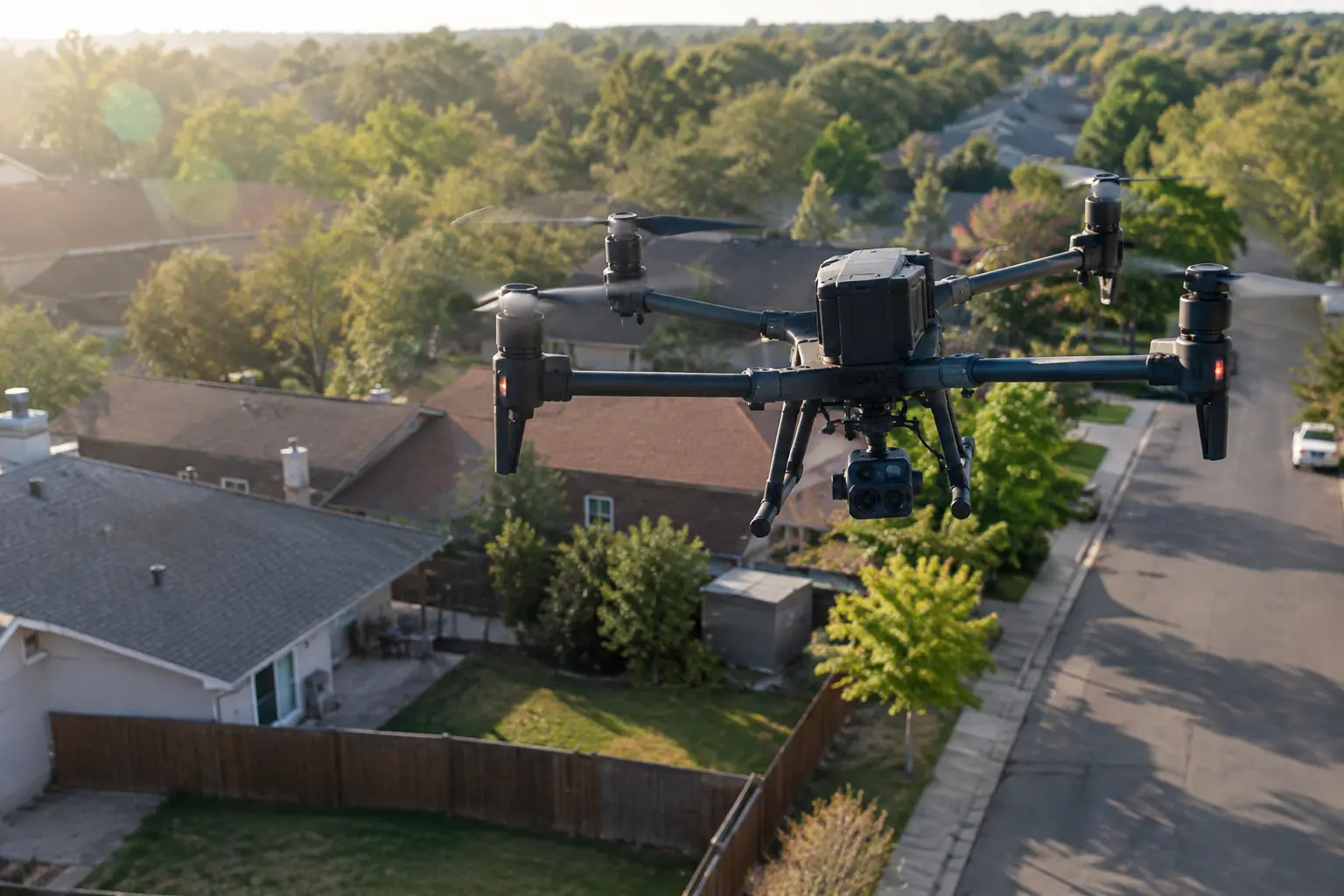
A flyaway is one of those things commercial drone operators hear about and hope never happens to them. Then it does. GPS glitch, signal interference, a software error no one saw coming, and suddenly a $12,000 drone is heading in a direction you did not tell it to go. A few seconds later, it's gone.
We get questions about this more than you'd think. And the honest answer is that how your insurance responds depends a lot on your policy type, what caused the incident, and whether you can document it.
What a flyaway actually is (for insurance purposes)
Insurers treat flyaways as a specific loss scenario, not just a crash. A crash means the drone came down and you can find the wreckage. A flyaway means the aircraft left controlled flight, traveled beyond visual line of sight, and either could not be recovered or was found damaged elsewhere.
The key question your insurer will ask: was this a mechanical failure or pilot error? That distinction matters more than most operators realize.
When hull coverage steps in
If you carry hull insurance, a flyaway caused by a verified equipment malfunction or GPS/signal failure can be covered. Hull coverage is designed for physical loss and damage to the aircraft itself. A drone that disappears due to a hardware failure or software glitch and is never recovered can often be claimed as a total loss under hull.
What you need: documentation. Flight logs, the manufacturer's data, any maintenance records showing the aircraft was in proper working condition before the flight. Your insurer needs to rule out operator negligence before they pay. Without logs, it becomes very hard to separate a mechanical failure from a pilot mistake.
When coverage gets complicated
Flyaways that happen during flights outside your approved scope of operations create problems. If your policy covers standard Part 107 operations and you were flying beyond visual line of sight without a waiver, or at night without authorization, the claim gets scrutinized differently. Operating outside your policy's defined scope can affect coverage, even if the cause of the flyaway had nothing to do with those conditions.
Liability coverage does not pay for your lost equipment. It covers damage your drone causes to third-party property or people. If your flyaway drone lands on someone's car or injures a bystander, that is a liability claim. The replacement cost of the drone itself is a hull claim. You need both types of coverage for full protection, and confusing them is one of the more common mistakes we see operators make after an incident.
What you can do before a flyaway happens
Keep your flight logs current and accessible. Most modern drones store flight data automatically, and syncing that data after every mission takes less than a minute. If a flyaway happens and you cannot produce logs, your claim becomes significantly harder to process.
Check that your commercial drone insurance policy explicitly includes flyaway scenarios under hull coverage. Not all policies do. Some limit physical loss coverage to crashes with recoverable wreckage. Read that section before you need it.
Also confirm your declared aircraft value is current. If you upgraded your drone six months ago and the policy still lists the old aircraft, a flyaway claim will be based on the insured value, not what you actually paid for the replacement. SkyWatch makes it straightforward to update your aircraft details directly in the app.
Frequently asked questions
Does commercial drone insurance cover a flyaway if the drone is never found?
It depends on your policy. Hull coverage can include loss scenarios where the aircraft is unrecoverable, but you need to document the flight and the circumstances. Policies vary, so confirm with your insurer whether unrecovered aircraft are included before you assume they are.
What is the difference between a hull claim and a liability claim in a flyaway?
Hull covers the cost of your lost or damaged drone. Liability covers damage your drone causes to others. In a flyaway, you may have both: a hull claim for the lost aircraft and a liability claim if it landed on or near someone else's property.
Does pilot error affect a flyaway claim?
Yes. If your insurer determines the flyaway resulted from operator negligence rather than equipment failure, that can affect the outcome of a hull claim. Flight logs and maintenance records are what help establish what actually happened.
Do I need to file a report with the FAA when my drone flies away?
If the flyaway results in serious injury, loss of positive control, or damage to property, FAA reporting requirements may apply. Check FAA Part 107 requirements for your specific situation, and notify your insurer as soon as the incident occurs.
How quickly should I report a flyaway to my insurance provider?
As soon as possible. Most policies require prompt notification of any incident. Waiting days before filing can create complications. Report the loss, preserve any available flight data, and let your insurer guide the next steps.