A lot of commercial drone operators assume their insurance follows them everywhere they fly. It makes sense to think that way. You have a policy, you have your Part 107 license, you load up the truck and drive four hours to a job site in another state. Simple enough.
Except it is not always that simple, and misreading what your policy actually covers when you cross state lines can leave you exposed at exactly the wrong moment.
Here is what we see operators run into, and what to check before you hit the road.
The short answer: yes, but with conditions
Most commercial drone insurance policies are written to cover operations across all 50 states. If you buy a policy in Texas, you are generally covered flying a job in Oregon or New York. The policy travels with you. That much is true for the majority of aviation liability policies sold to commercial drone operators in the US.
But coverage traveling with you is not the same as coverage being identical everywhere you fly. There are a few things that can affect your situation depending on where the job is.
State-level requirements can differ
The FAA governs drone operations at the federal level, which means Part 107 rules apply the same whether you are in Florida or Minnesota. But states and municipalities have added their own layers over the years. Some require permits to fly in certain areas. Some government contracts specify insurance limits beyond what you normally carry. A few states have active legislation that affects drone operations on private or public land.
None of this usually voids your existing policy. But it does mean that before you show up to a new state for a big job, it is worth a quick check on any local requirements that might affect what your client needs from you in writing.
Your commercial drone insurance liability coverage does not automatically scale up to meet a state contract's requirements. If a city agency in California requires $5 million per occurrence and your policy sits at $1 million, you will need to adjust before that job, not after.
Your certificate of insurance still needs to list the right parties
When you travel for a job, the client or venue in that state will often ask for a certificate of insurance with their organization listed as an additional insured. That requirement does not change based on geography. What does change is that the entity you need to add may be a state agency, a county park, a private landowner, or a corporation you have never worked with before.
The good news is that adding an additional insured to your policy is generally straightforward and fast. But it has to happen before the job, not the morning of. We have seen operators arrive on site and realize they needed paperwork they did not have yet, which kills the day.
Hull coverage for equipment you bring
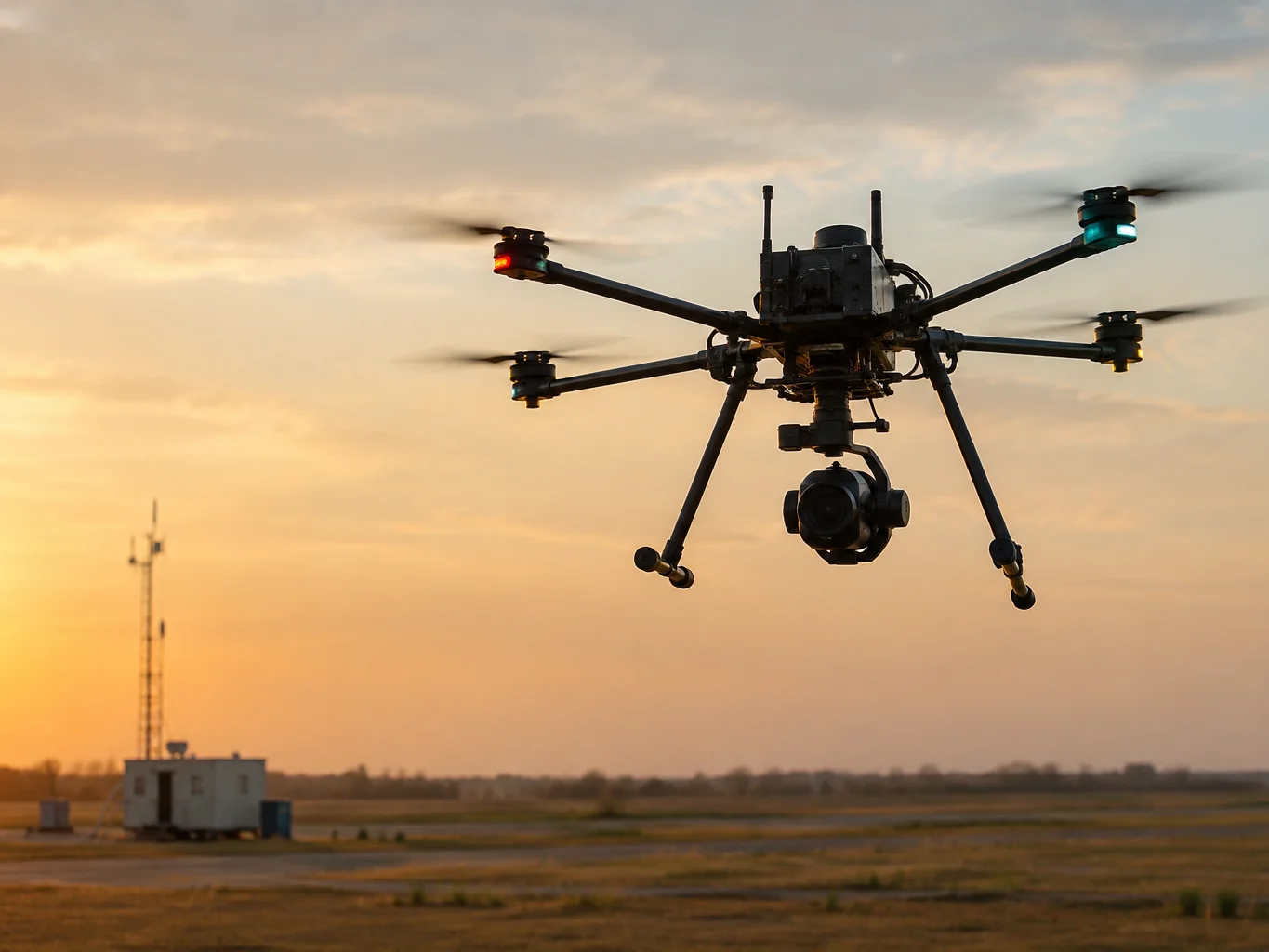
If you are traveling with a high-value drone setup, multispectral sensors, or specialty payloads, double check that your hull and payload coverage reflects the full replacement value of what you are bringing. Hull coverage protects your drone itself, while payload coverage handles the cameras or sensors mounted to it. These are separate things on most policies, and one does not automatically cover the other.
A drone that gets damaged during transport is typically handled differently than one that crashes in the field. Know where your policy draws that line before the gear gets loaded into the van.
International jobs are a different story
Traveling between US states is one thing. Taking a job in Canada or Mexico is different. Most US-based commercial drone insurance policies do not extend international coverage automatically. If you have cross-border work on your calendar, that is a conversation to have with your insurer before you book travel. Some operators assume they are covered abroad because nothing in the policy explicitly says they are not. That assumption has cost people real money.
What to do before a multi-state job
Before you take a job in a new state, run through a few basics. First, confirm your policy covers the state and the use type. If you normally do real estate photography and this job is infrastructure inspection, make sure your declared use type reflects what you are actually doing. Second, check the coverage limits against what the client or contract requires. Third, get any additional insured paperwork submitted early. Fourth, verify your hull and payload coverage includes everything you are bringing. And fifth, if the job crosses into another country, contact your insurer directly.
None of this is complicated, but it takes a few minutes to think through, and those minutes matter when a job is on the line.
SkyWatch policies are built for operators who work across the country and need coverage that keeps up. If you have questions about a specific job or location, you can get a quote or check your current coverage at SkyWatch.ai.
Frequently asked questions
Does my commercial drone insurance cover me in every US state?
Most commercial drone insurance policies written in the US provide nationwide coverage. Your policy should be valid whether you fly in your home state or across the country. That said, always confirm with your insurer and check that your coverage limits meet any state or client-specific requirements for the job.
Do I need to update my policy when I take a job in a different state?
You may not need to update the policy itself, but you might need to adjust coverage limits or add an additional insured if the client requires it. It is a good idea to review your policy details before any out-of-state job rather than assuming everything carries over automatically.
Does commercial drone insurance cover international jobs?
Generally, no. Most US-based commercial drone insurance policies do not extend coverage outside the United States. If you plan to work in Canada, Mexico, or elsewhere, contact your insurer before you travel to understand what options are available.
What if a state or municipality requires higher liability limits than I currently carry?
You would need to increase your coverage before that job. Government agencies and large commercial clients sometimes require $2 million, $5 million, or more per occurrence. Check the contract requirements early so you have time to adjust without delaying the start of the job.
Does hull coverage apply if my drone is damaged during travel to a job site?
It depends on your specific policy. Some policies cover transit damage, others do not. Read your hull coverage terms carefully and ask your insurer directly if transit or loading damage is included. Do not assume your drone is covered the moment it leaves the house.