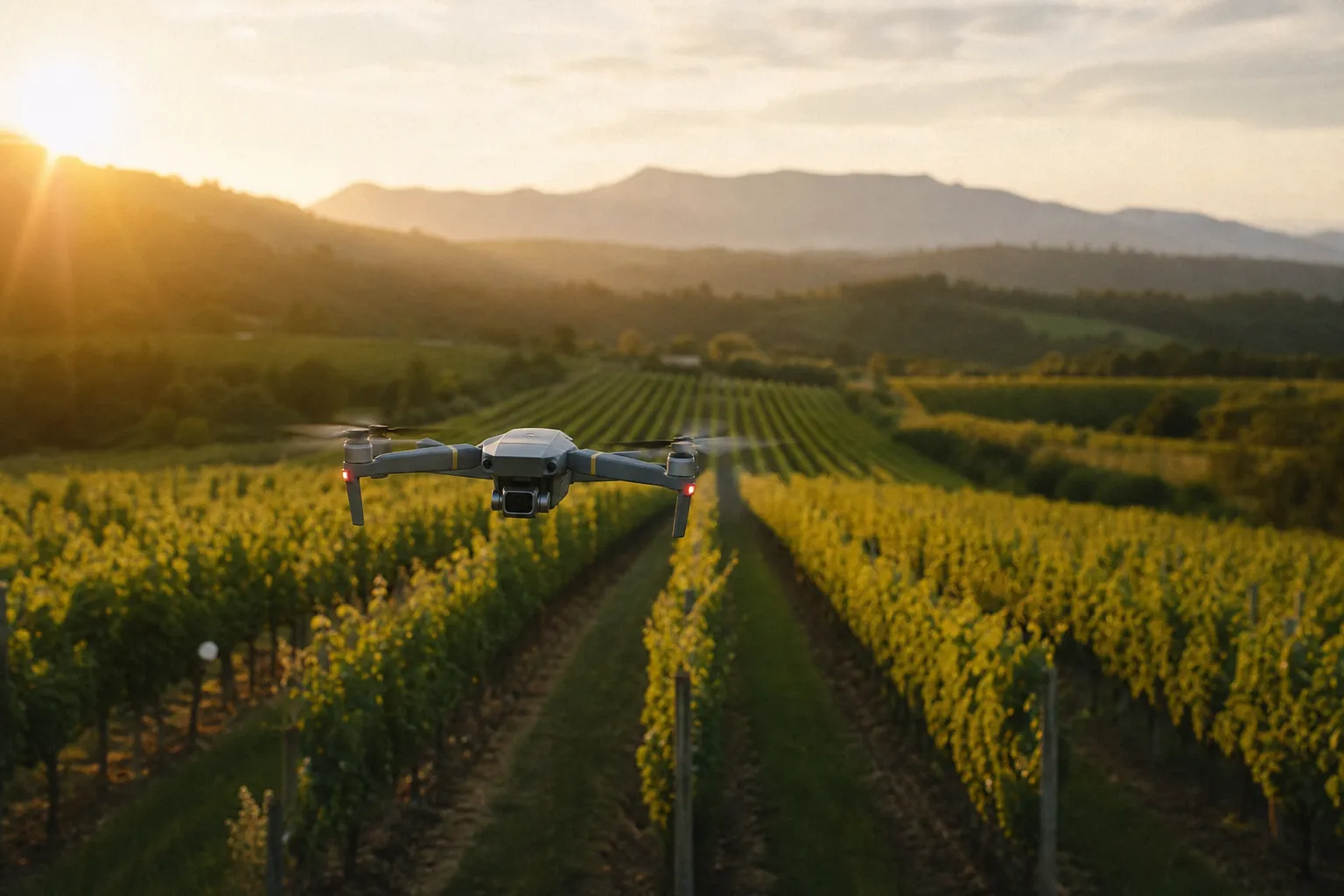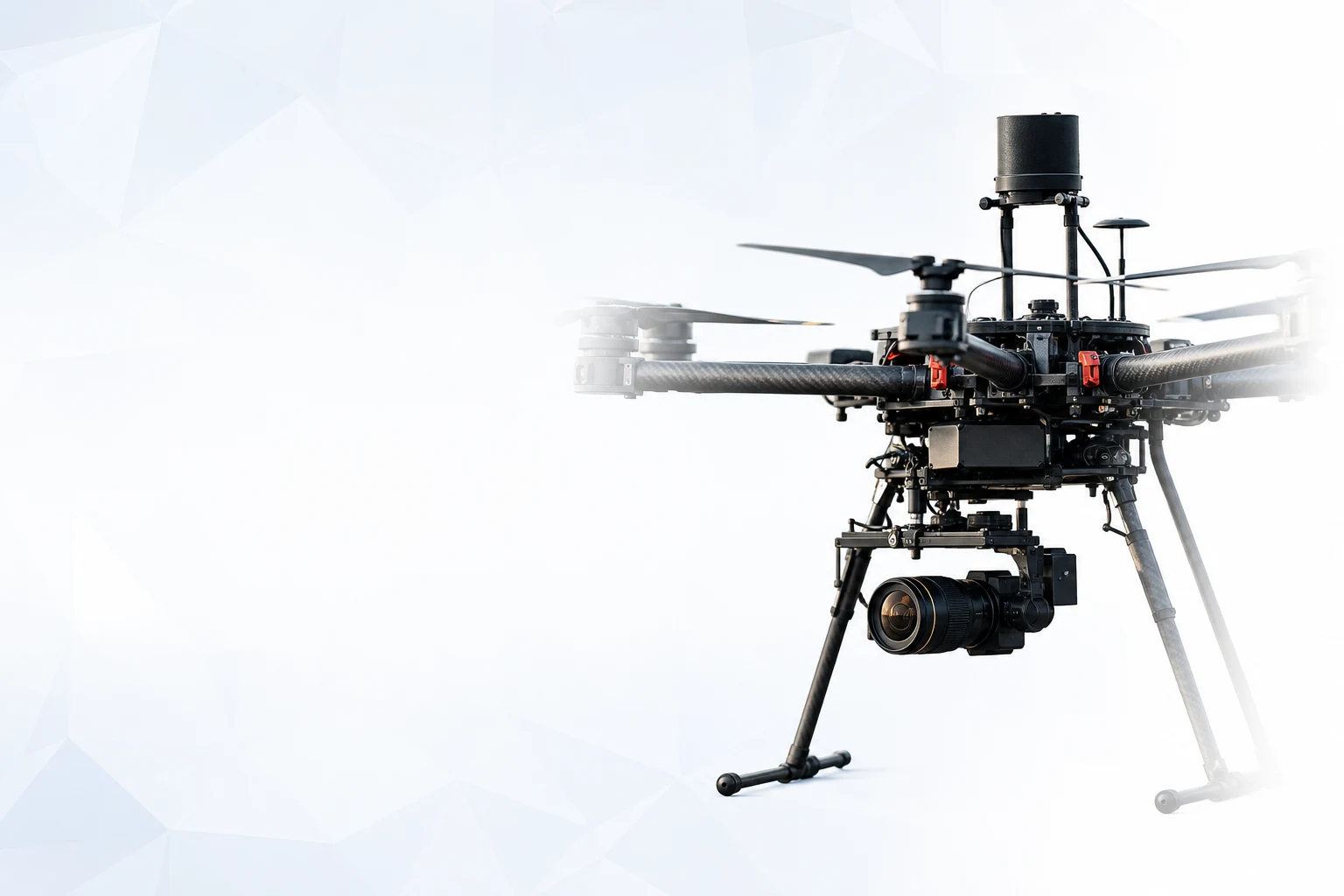
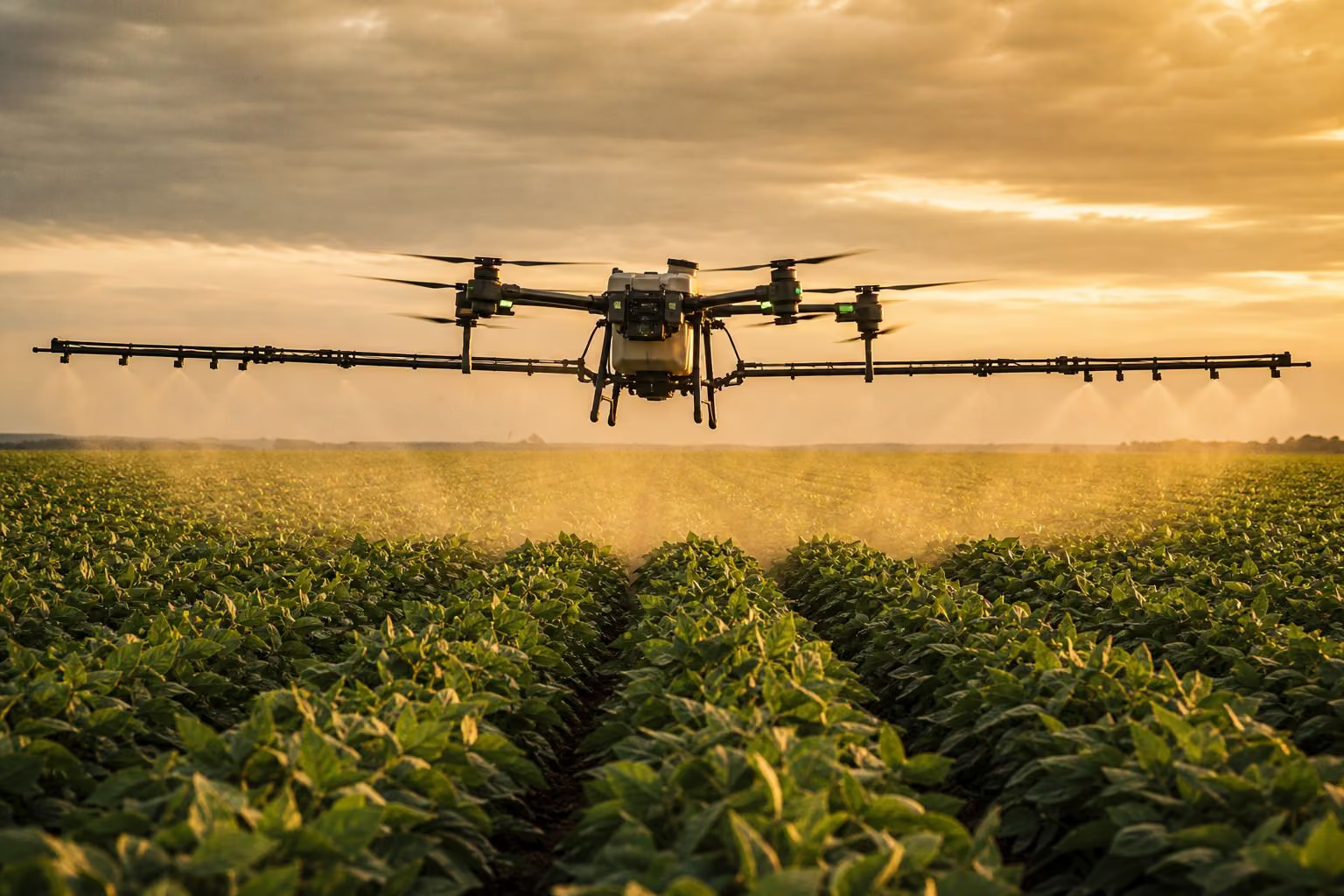
Crop spraying drones are not your average commercial UAV. They carry chemical payloads over working farmland, fly low and fast, and operate in conditions that push both equipment and pilots to their limits. Standard drone policies were not built for this kind of work. If you're running spray operations without the right crop spraying drone insurance in place, you are carrying risk that most general aviation policies won't touch.
This matters more than ever. Spray drone adoption has accelerated across row crops, orchards, and vineyards in the last few years. The machines are more capable, the payloads are more complex, and the exposure has grown accordingly. Getting coverage right from the start saves operators from coverage disputes, out-of-pocket liability claims, and regulatory headaches.
What Coverage Gaps Leave Spray Drone Operators Exposed
Most commercial drone policies focus on hull damage and general liability. That's a reasonable starting point for mapping or inspection work. For spray operations, it's not enough. The chemical element changes everything.
Pesticide drift is one of the most common claims in agricultural aviation. A gust of wind, a miscalibrated nozzle, a short flight line that clips a neighbor's organic crop, and suddenly you're facing a contamination claim that a standard liability policy may exclude entirely. Pesticide drone liability coverage is a separate consideration from general third-party liability, and many operators don't realize that until they're filing a claim. By then, it's too late to go back and add it.
Payload coverage is another gap. The pesticide or fertilizer you're carrying has its own value, and a crash that destroys both your aircraft and the payload creates a loss that hull coverage alone won't fully address. Some policies exclude the payload entirely. Others cover it only under specific conditions. Reading the fine print matters.
We've issued more than 300,000 commercial drone insurance policies across a wide range of operations, and the pattern we see consistently is that spray operators come to us after an incident with a basic policy that wasn't structured for their work. Getting agriculture drone insurance that actually accounts for chemical application from the beginning is a far better position to be in.
We work with underwriters who specialize in ag drone operations, which means the policies available through our platform reflect the actual risks of spray work, not a generic aviation template. That distinction matters when a claim gets filed.
What Operators Actually Need
Ag drone insurance requirements vary by state, by the type of chemical being applied, and sometimes by the crop itself. Some states require applicators to carry minimum liability limits as part of their pesticide applicator license. Others defer to federal guidelines or simply require you to carry whatever your contract with the landowner specifies.
At a minimum, most spray operators need liability coverage that explicitly includes pesticide application, hull coverage that reflects the replacement cost of the aircraft, and payload protection that covers the chemical load. If you're operating commercially on leased farmland or under contract with an agribusiness, you'll likely also need to add that party as an additional insured on your policy.
Agricultural spray drone coverage can also extend to your equipment on the ground. Tanks, mixing stations, support vehicles, and ground crew equipment may or may not fall under a standard drone policy. Knowing where those lines are drawn before something goes wrong is basic risk management.
For operators who fly seasonal spray work, on-demand or pay-per-flight commercial drone insurance can be a practical option. You activate coverage for the hours you're flying and don't carry the overhead of a full annual policy during the offseason. It's a model that works well for smaller spray operations or pilots who take on spray contracts alongside other drone work.
Our nearly perfect 5-star customer support rating reflects the fact that when operators have questions about what their policy actually covers, they get real answers. Not a voicemail. Not a generic email. Actual guidance on what's in their policy and what isn't.
Crop spraying drone insurance is a specific product for a specific type of operation. Treating it like a standard UAV policy is how operators end up underinsured when it counts most. Make sure your coverage reflects what you actually fly, what you carry, and where you operate before the next spray season begins.
Frequently Asked Questions
How much does crop spraying drone insurance typically cost?
Crop spraying drone insurance costs vary based on aircraft value, payload capacity, annual flight hours, and the states where you operate. Most commercial spray operators can expect to pay between $1,200 and $4,000 annually for a policy that includes liability and hull coverage with pesticide application included. On-demand coverage options are available for lower-volume operators at a per-hour or per-flight rate.
Does standard drone liability insurance cover pesticide drift damage?
Not always. Standard drone liability policies often exclude chemical application incidents or pesticide drift claims unless the policy is specifically written to include them. Operators applying pesticides need to confirm that their ag drone insurance requirements include explicit pesticide drift liability, not just general third-party property damage coverage.
Do I need a separate policy for the pesticide payload my drone carries?
Yes, in most cases. Hull coverage applies to the aircraft itself, not the chemical payload onboard. If your drone crashes mid-application, the cost of lost or contaminated pesticide may not be recoverable under a standard hull policy. Agricultural spray drone coverage should be reviewed to confirm whether payload is included and under what conditions.
What are the insurance requirements for commercial pesticide drone applicators?
Requirements vary by state. Many states that issue commercial pesticide applicator licenses require proof of liability insurance as part of the licensing process, with minimum limits often ranging from $500,000 to $1 million per occurrence. Operators should check their state's department of agriculture requirements and ensure their agricultural drone insurance meets or exceeds those minimums before taking on commercial spray contracts.
Get a quote at skywatch.ai