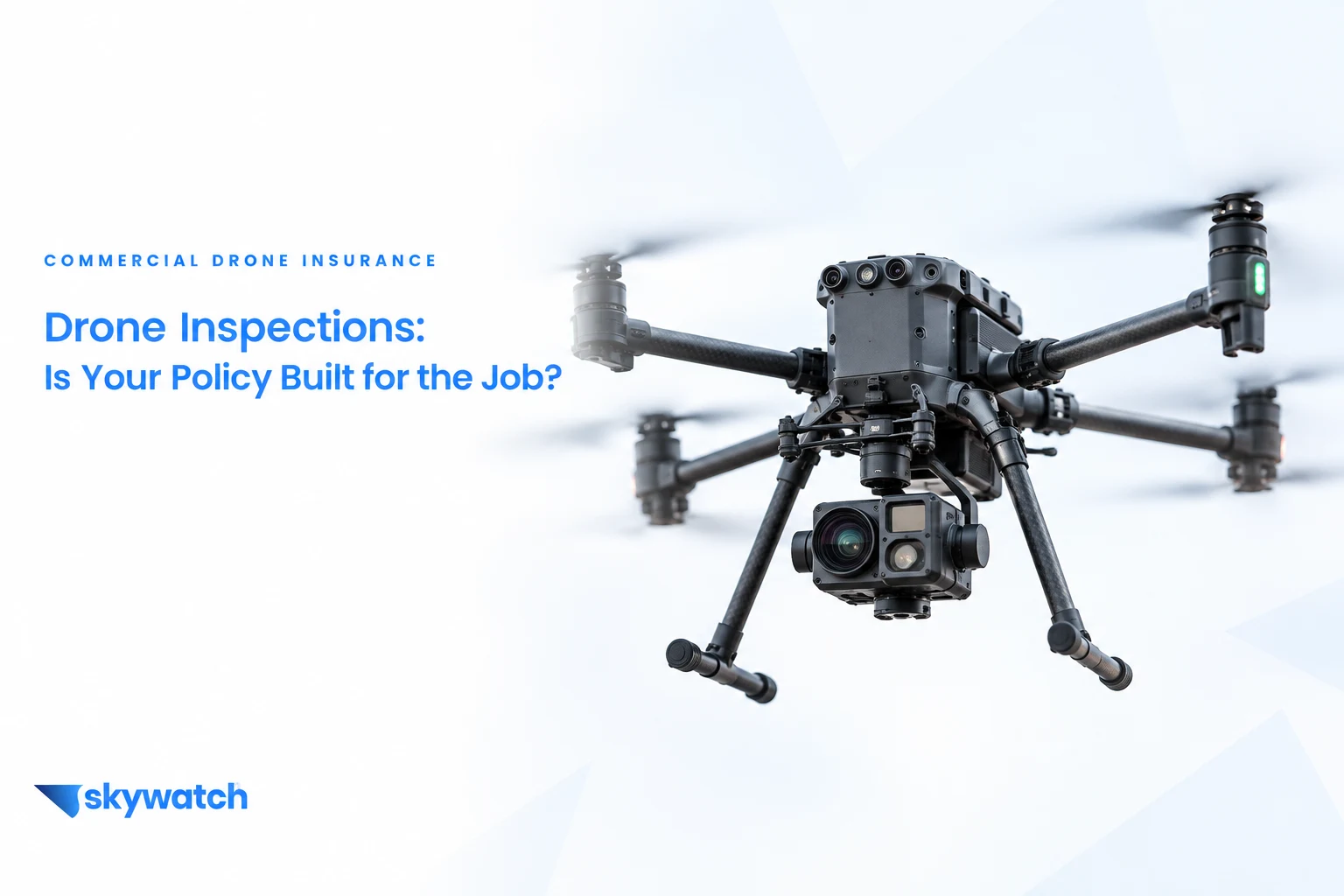
Drone inspections have become one of the fastest-growing segments in commercial UAV work. Roofers, utility companies, solar farms, telecom operators, and infrastructure contractors all rely on aerial data that would have required scaffolding or rope access just a few years ago. It's faster, safer, and cheaper. But the insurance piece? That's where a lot of operators are flying blind.
If you carry a standard drone insurance policy and assume it covers your inspection work, it might not. The reason comes down to how commercial policies are structured, and it matters more than most pilots realize before they get on site.
Your scope of use has to match your work
When you buy a commercial drone insurance policy, you declare what type of work you do. That declaration shapes the risk the insurer takes on and, in turn, what your policy actually covers. Inspection work, especially on infrastructure like cell towers, transmission lines, or industrial facilities, carries a different risk profile than real estate photography or event coverage.
If your policy was set up for general aerial photography and you show up to inspect a rooftop solar array or an active telecom tower, you may have a coverage problem. The work type matters. Not just to satisfy a technicality, but because if something goes wrong during a job that falls outside your declared scope, your insurer has grounds to deny the claim.
At SkyWatch, you can add inspection as a use type when you set up or update your policy. It takes a few minutes and makes sure your coverage actually fits the work you're doing.
Standard hull coverage often doesn't include your payload
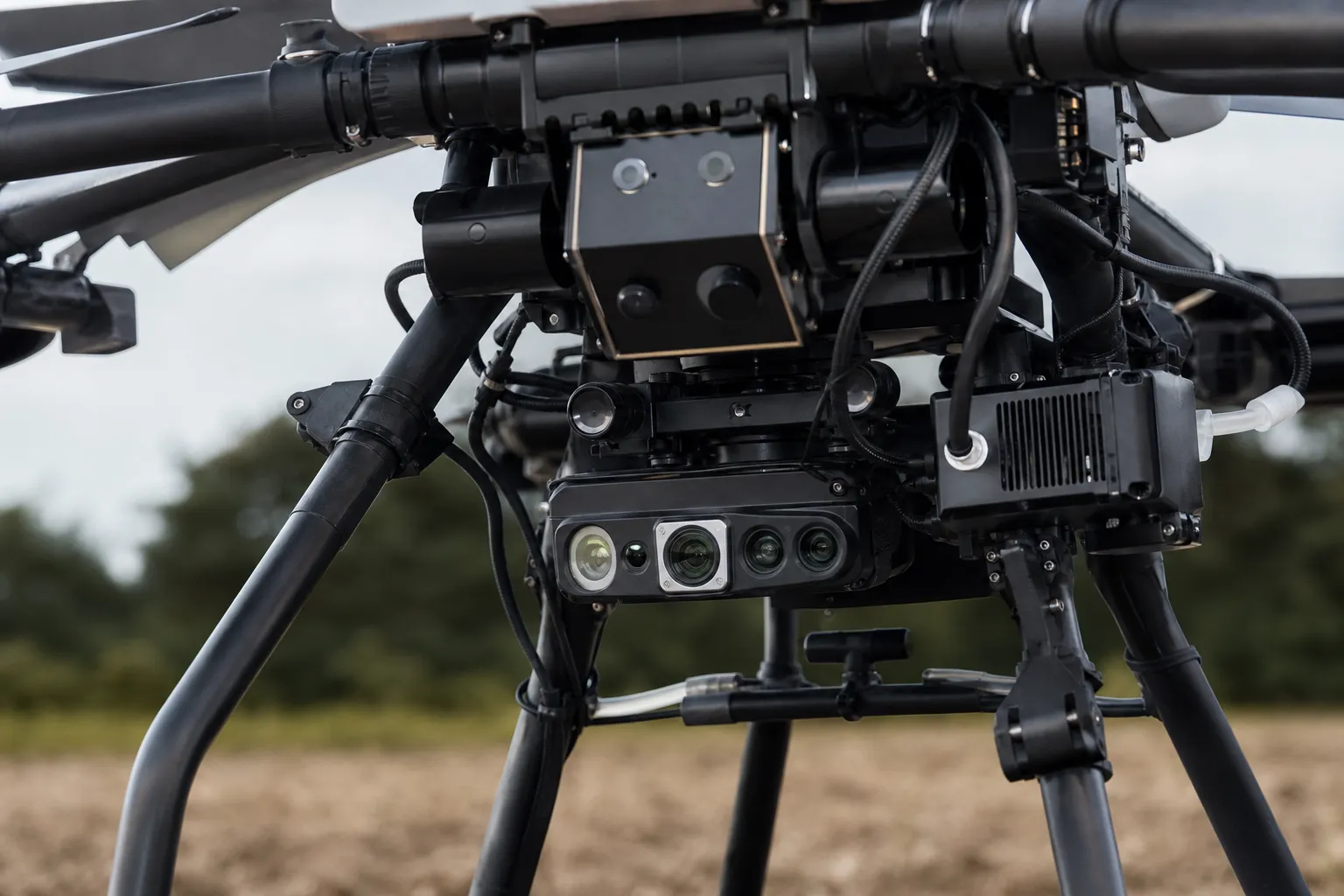
Inspection drones typically carry thermal cameras, LiDAR sensors, multispectral arrays, or gas detection equipment. That payload can be worth more than the airframe itself. A professional thermal camera used for building envelope inspections, for example, can run $10,000 to $30,000 or more.
Standard hull coverage protects the drone. It does not automatically extend to attached equipment. If your thermal sensor hits the side of a chimney or takes a hard landing, you may find that only the airframe portion of the loss is covered.
Before your next inspection job, look at your policy language around payload and attached equipment. If it's not listed, ask your insurer how to add it. For inspection operators, this is not optional coverage, it's basic protection for how you actually work.
Clients and site managers will ask for a COI before you fly
Utility companies, property managers, general contractors, and facility owners all have standard onboarding requirements for vendors. A certificate of insurance is almost always on that list. Some will also ask for the hiring company to be added as an additional insured on your policy.
If you're working as a subcontractor under a larger firm doing infrastructure inspections, the same rules apply. Your own policy needs to be in place and structured correctly. The prime contractor's policy does not cover your drone or your liability.
With SkyWatch, you can generate a COI in minutes directly from the app. If the client needs to be listed as additional insured, that can be handled quickly without waiting on a broker or going back and forth by email. It's one less thing standing between you and the job.
Liability limits for inspection work tend to run higher
A standard $1 million liability limit is enough for many commercial jobs. For inspection work on active infrastructure, industrial facilities, or government-owned assets, the client may require $2 million or more. Utility companies in particular often have higher baseline requirements written into their vendor contracts.
Check the contract before you bid. If the required limit is higher than what your policy currently carries, you can adjust it before the job. Waiting until you're on site to sort out a coverage gap is not a position you want to be in.
One more thing about on-demand vs. annual for inspection work
Inspection operators who fly regularly, multiple jobs per week across the same type of work, generally do better on an annual policy. The per-flight cost of on-demand coverage adds up fast at that volume. If you're still building your client list and flying a handful of inspection jobs per month, on-demand or monthly coverage keeps your overhead down while you grow.
Either way, the right structure is the one that matches how you actually operate. SkyWatch offers both, and switching between them as your business changes is straightforward.
If you're doing inspection work and want to make sure your commercial drone insurance is set up correctly for the jobs you're taking, you can get a quote or review your current coverage at skywatch.ai.