A lot of commercial drone operators set up their insurance policy when they first started flying and never revisit it. That made sense at the time. But if the type of work you do has shifted since then, your policy may not reflect what you are actually doing in the field.
This is one of the more common coverage gaps we see, and it is entirely preventable.
What use type actually means in a drone policy
When you purchase commercial drone insurance, you are not just buying a dollar amount of coverage. You are buying coverage for a specific scope of operations. The use type you declare tells the insurer what activities the policy applies to: real estate photography, construction inspection, agriculture, events, surveying, infrastructure, and so on.
Each use type carries a different risk profile. Aerial photography over an empty property is a different exposure than flying LiDAR surveys over an active construction site or doing thermal inspections on an electrical grid. Insurers price and underwrite accordingly.
When your operations stay within the scope you declared, you are covered. When they go outside it, coverage gets complicated.
The scenario that catches operators off guard
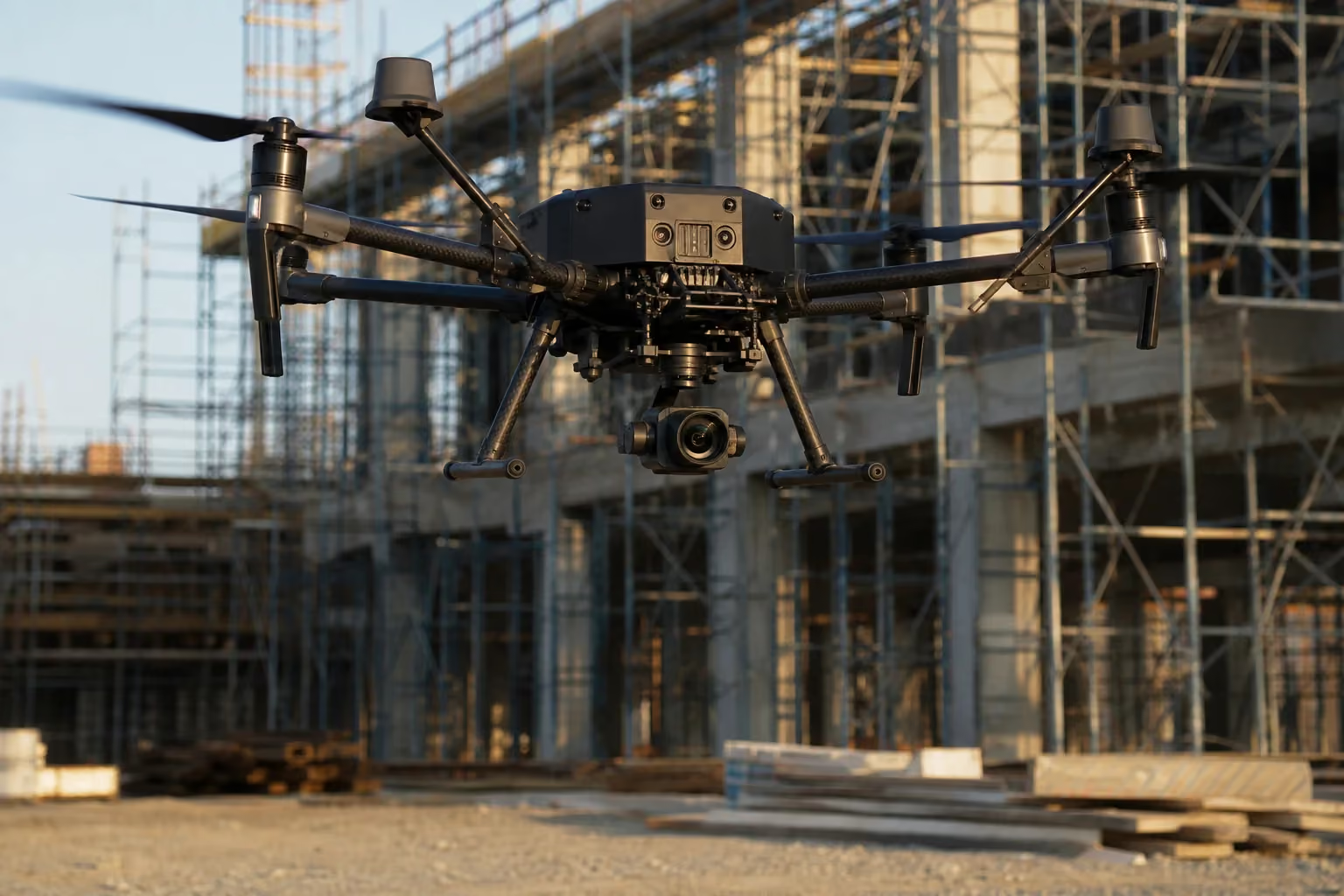
Say you started out doing real estate drone photography. Your policy reflects that. A few months later you start taking on construction progress documentation jobs for a general contractor. It is still aerial photography, it is still commercial work, it feels the same. But construction site operations are a distinct use category with different liability exposure. If something happens on that construction job and your policy was written for real estate work only, your insurer has grounds to dispute the coverage.
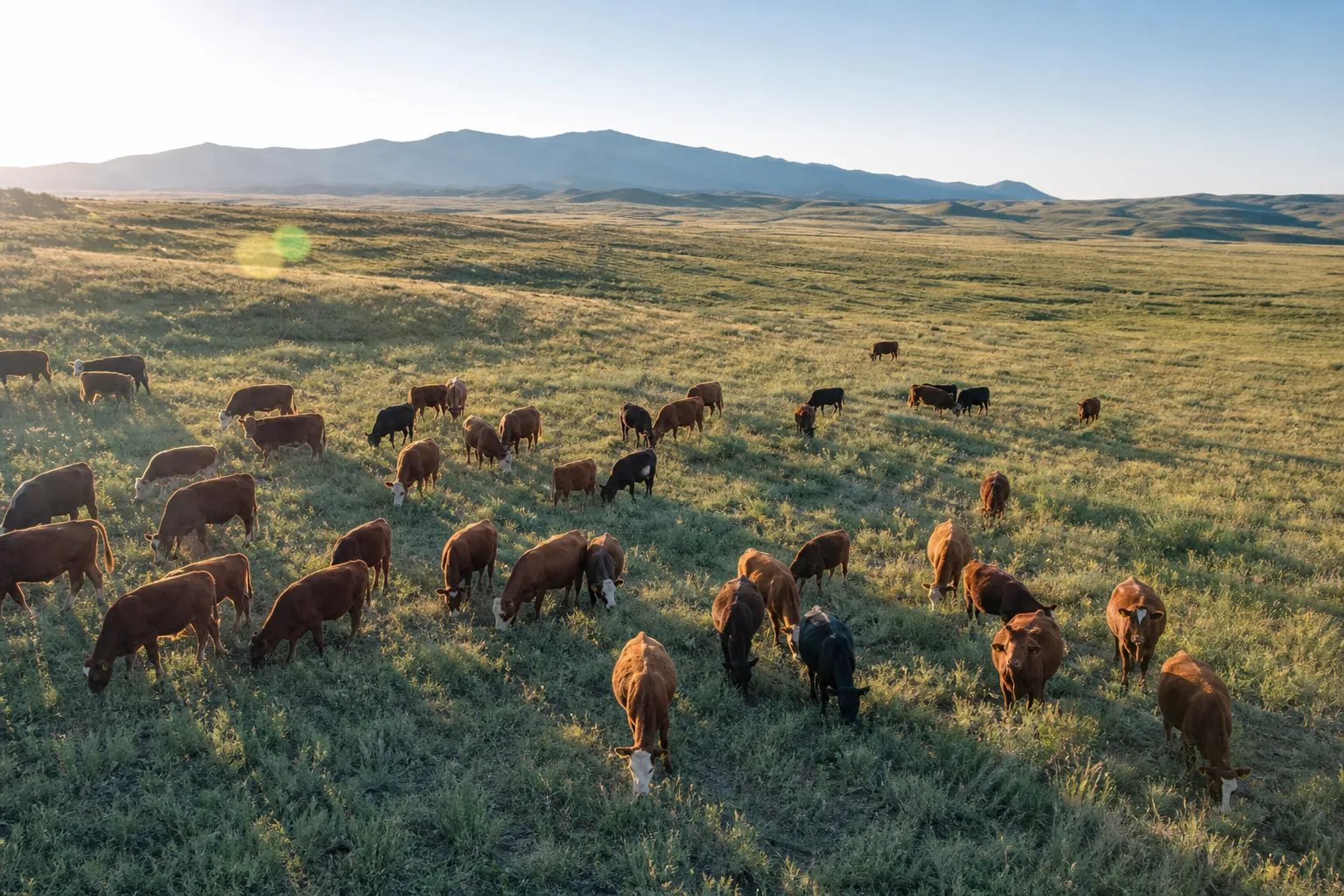
The same applies in the other direction. An operator who started in agriculture and picks up a film production gig, or one who has been doing routine inspections and lands a government contract, is in the same position. The work changed. The policy did not.
This also comes up with location and altitude. Some policies are scoped to specific geographic areas or operational ceilings. Flying internationally on a policy written for domestic operations, or exceeding altitude limits, can put you outside your covered scope without you realizing it.
It is not just about the type of job
There are a few other scope factors operators tend to overlook.
Pilots listed on your policy matter. If you brought on a second operator or a subcontractor who flies under your operation, they need to be listed. A flight conducted by an unlisted pilot falls outside your covered scope regardless of the use type.
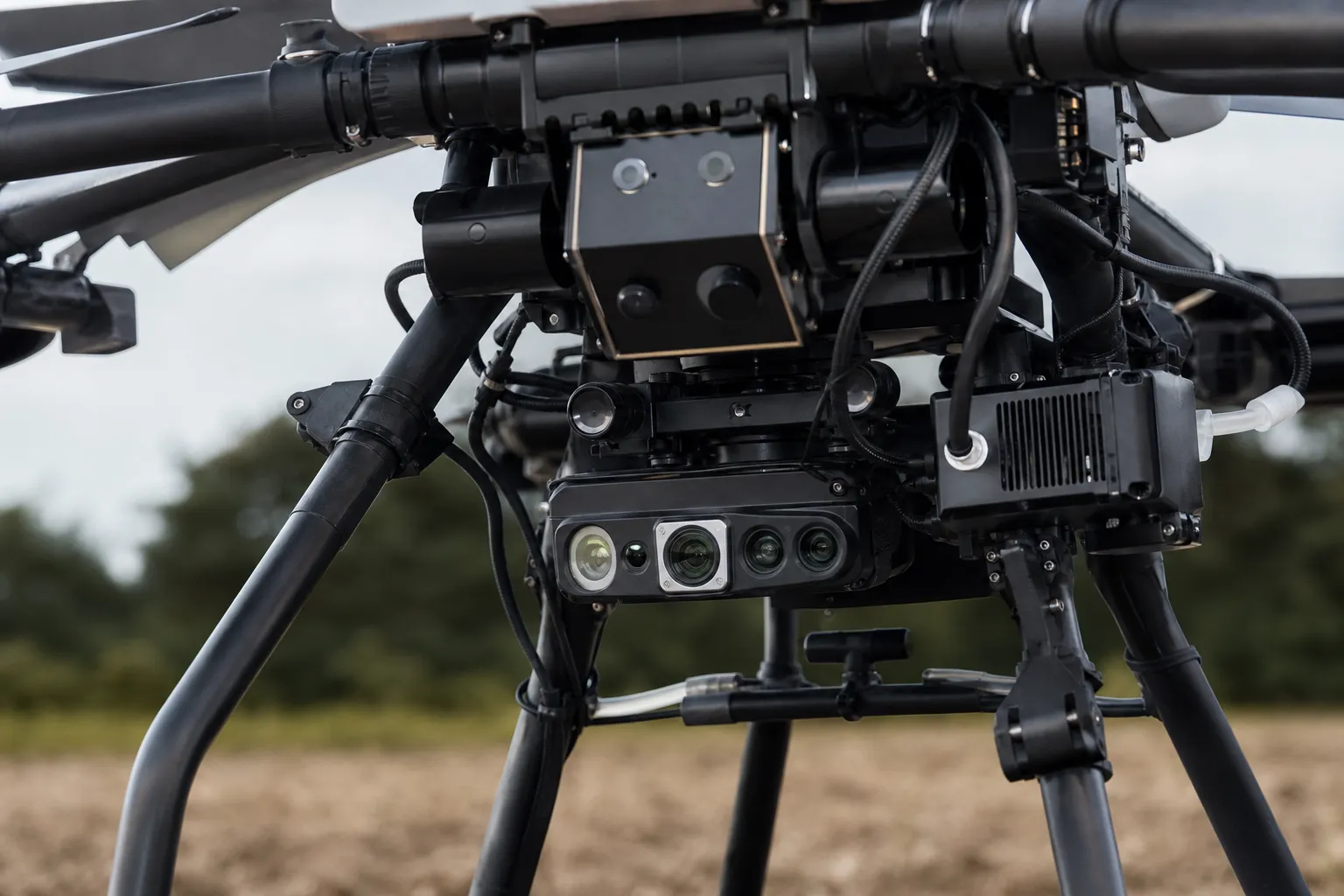
Equipment changes matter too. If you upgraded to a new drone or added a payload like a thermal sensor or a LiDAR unit that was not declared when you set up your policy, that equipment may not be covered under your existing hull or payload coverage. Declaring the correct equipment value is part of keeping your policy current.
If you have moved from occasional commercial work to running a full operation with consistent revenue, your insurer may also view that differently from a risk standpoint. Annual policies accommodate this better than some on-demand setups, and it is worth reviewing your policy structure if your volume has grown.
How to keep your policy matched to your actual work
The practical answer is straightforward: treat your policy like a living document, not a one-time purchase.
Before taking on a new category of work, check whether it falls within your declared use type. If you are not sure, contact your insurer. Most drone insurance providers can update your scope or add an endorsement for a new use type before you start the job, not after.
If you pick up a job with different requirements than your usual work, on-demand coverage can be a practical option for that specific flight. You activate coverage for the scope and limits that job requires without having to restructure your annual policy.
When your work shifts in a more permanent direction, update your annual policy to reflect it. The gap between what you declared and what you are actually doing is where coverage problems live.
FAQ
Does my drone insurance automatically cover any commercial work I take on?
No. Your policy covers the scope of operations you declared when you purchased it. If you take on work that falls outside that scope, whether it is a different use type, a new location, or a different category of client, it may not be covered. Always verify your policy scope before starting a new type of job.
How do I know what use type my current policy covers?
Your policy documents will list the covered operations or use categories. If that language is unclear, call your insurer and ask them to confirm in writing what your current policy covers. This is a reasonable request and any reputable provider will be able to answer it.
Can I add a new use type mid-policy without starting over?
In most cases, yes. Many commercial drone insurance policies allow you to add use types or endorsements during the policy period. The change may affect your premium, but it is generally a straightforward update rather than a full policy replacement.
What if I only do a different type of job once or twice a year?
For occasional work outside your usual scope, on-demand coverage is a practical solution. You can activate a policy for the specific flight with the appropriate use type and limits for that job, without having to change your annual policy structure.
Does the drone I use affect my covered scope?
Yes, in some cases. If you declared a specific aircraft on your policy and you are now flying a different model, or if you added equipment that was not listed, your coverage may not apply to the undeclared equipment. Keep your aircraft and payload information current on your policy, especially after upgrades.