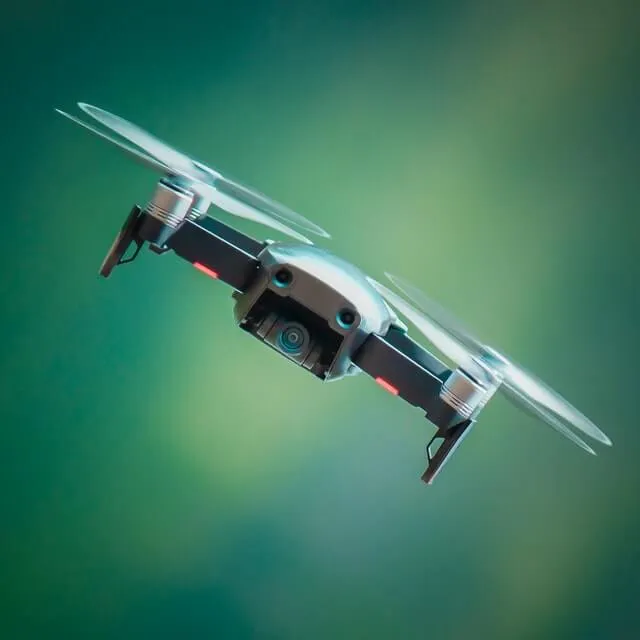
When you started flying commercially, $1 million in liability sounded like a lot. Enough to cover a dropped lens, a clipped fence, maybe a fender bender in a parking lot. But the jobs have gotten bigger, the clients have gotten more specific in their requirements, and that number that once seemed comfortable is now just the floor.
We talk to a lot of commercial drone operators, and one question keeps coming up: how much liability coverage do I actually need? The honest answer is that it depends on who you are flying for and where. But the trend is clear, and operators who have not thought about this lately may be underbid or underinsured before they realize it.
Why $1M became the standard
A few years ago, $1 million in drone liability insurance was the number almost every client asked for. It covered general commercial work, satisfied most contracts, and was easy to quote and get same-day. Most operators got it, kept it, and moved on.
The $1M figure stuck partly because it is a round number that lawyers and risk managers agreed on. It also corresponds to what general liability policies typically offer as a base limit. So it became a shorthand for "properly insured."
The problem is that job risk has not stayed flat. Drones are being used in denser urban areas, over more people, at greater heights, and in environments where a single incident can trigger large claims fast. Bodily injury and property damage claims are not what they were five years ago.
What clients are actually asking for now
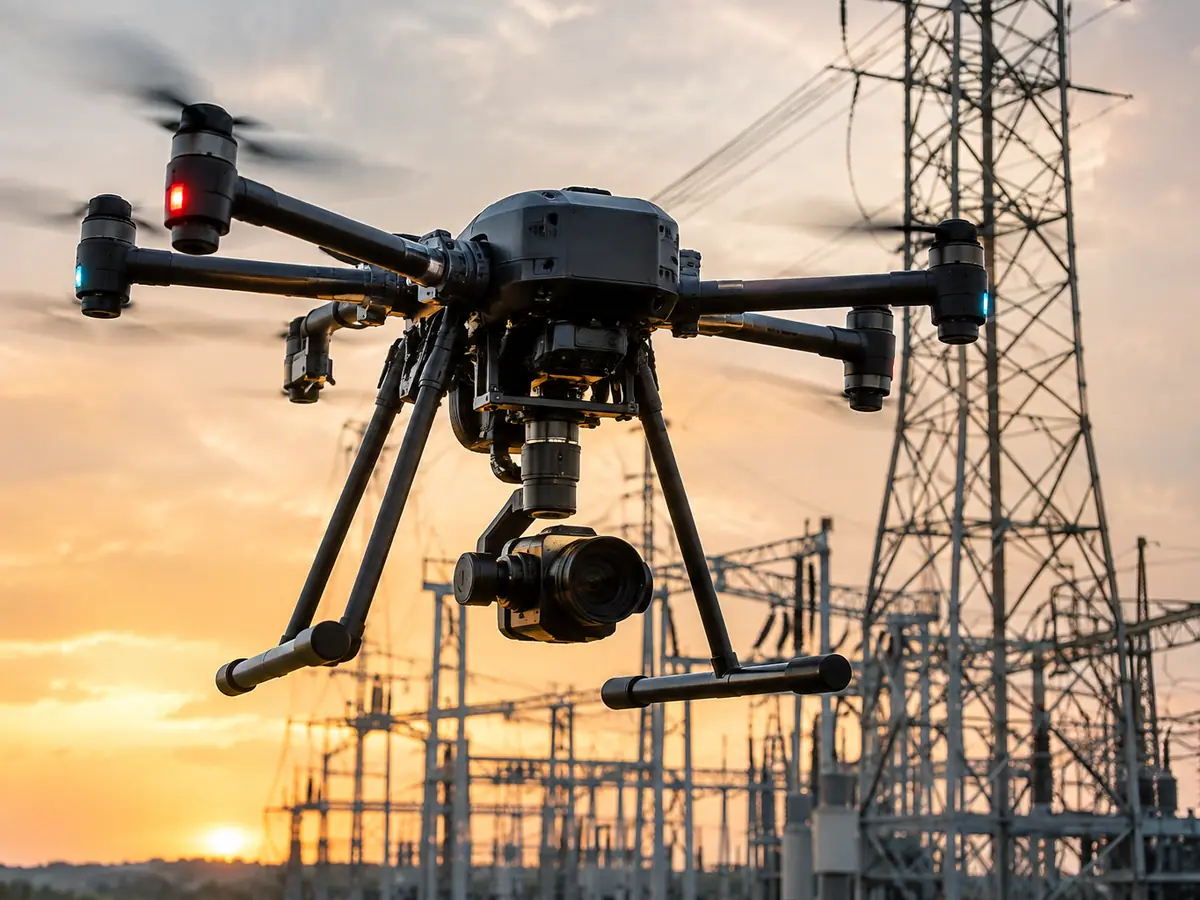
If you are bidding on government contracts, large construction projects, film productions, or utility inspections, you are probably seeing requirements change. $2 million in liability coverage is now standard across a lot of government and municipal contracts. Some industrial clients want $5 million for work near critical infrastructure. Film and event productions routinely ask for additional insured endorsements with limits that go above $1 million.
That does not mean every job requires $2 million. A real estate photographer flying over a residential property is in a very different risk profile than a pilot doing a powerline inspection over a populated area. But the point is that you need to read the contract before you assume your current policy is enough.
What the liability actually covers
Your commercial drone insurance liability coverage is split into two buckets: bodily injury and property damage. Bodily injury covers medical costs, lost wages, and legal expenses if someone is hurt in an incident involving your drone. Property damage covers the cost of repairing or replacing someone else's property that your drone damages.
Both of these limits matter. A drone that clips an electrical line and causes a neighborhood outage can trigger a property damage claim in the hundreds of thousands. A drone that hits a person on a job site can generate a bodily injury claim that climbs fast once legal costs are factored in. If your policy maxes out before the claim settles, you are covering the rest personally.
The gap most pilots miss
Most pilots buy a policy, check the box, and do not think about limits again until a client asks. The gap shows up when the contract requires higher limits than your policy provides, and you either have to rush to upgrade mid-job or lose the bid entirely.
The smarter approach is to know your current limits before you get to the negotiation stage. If you are flying jobs where $1 million is consistently what the market requires, your current setup is fine. If you are pushing into government, utility, or large commercial work, you should be having that conversation with your insurance provider now, not when the contract lands in your inbox at 5pm the night before a job.
With SkyWatch, you can get a commercial drone insurance quote online in minutes and adjust your limits to match what the job actually requires. Whether that is $1 million, $2 million, or $5 million in liability, you can see the cost difference and make the call before the contract goes to someone else.
What to check on your current policy
Pull up your existing drone insurance policy and look at two things: the per-occurrence limit and the aggregate limit. The per-occurrence limit is the most your policy pays out on a single claim. The aggregate is the total for all claims within the policy period.
If your per-occurrence limit is $1 million and you are bidding on a job that requires $2 million, you have a gap. It is a fixable gap, but you need to catch it before you sign the contract, not after the incident.
Knowing your numbers is not paranoia. It is just basic prep for anyone running a commercial drone operation in 2026.