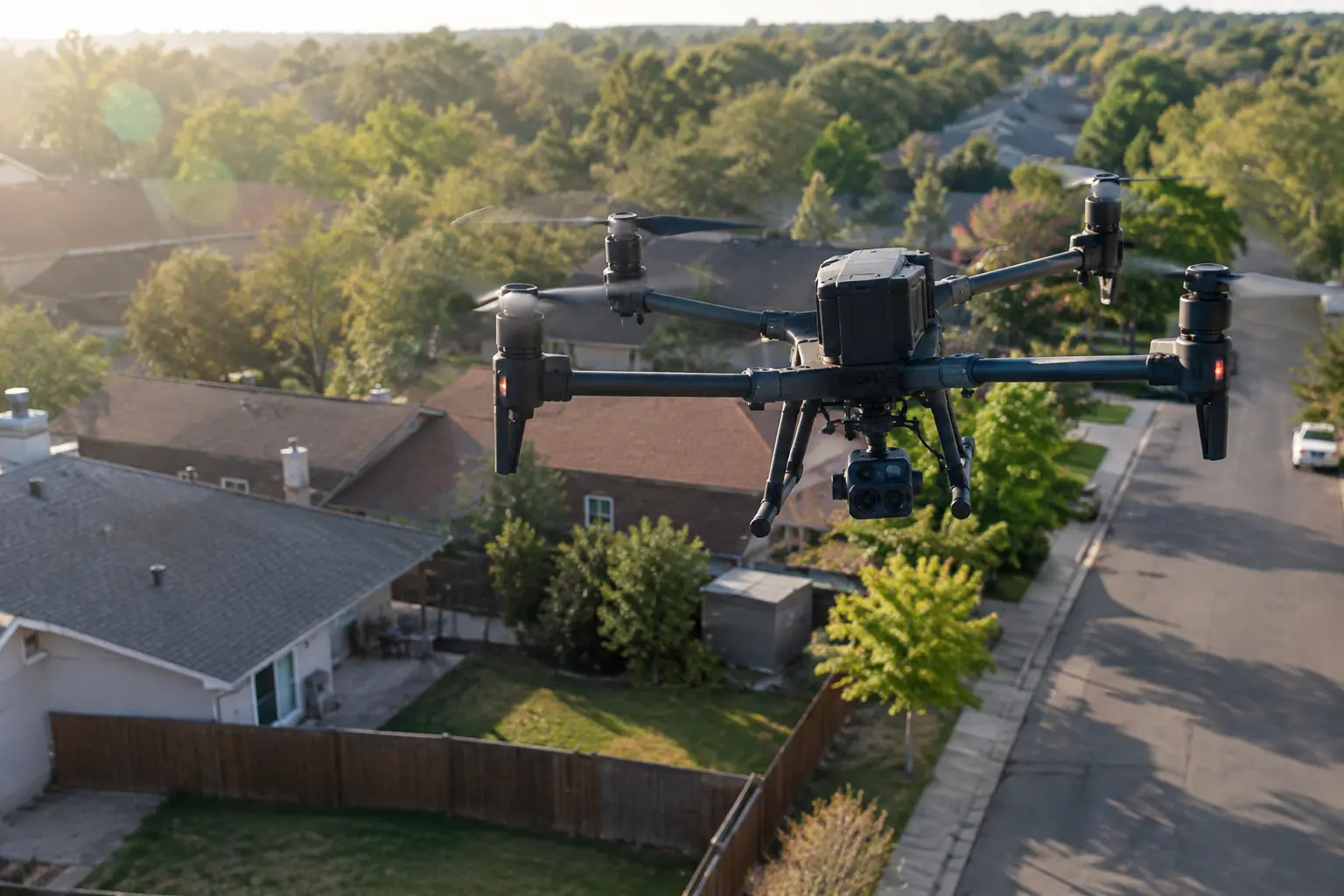
A lot of drone operators we talk to assume that if they're hired by another company, that company's insurance has them covered. It's an easy assumption to make. But it's wrong, and it can cost you in a serious way.
Here's the short version: the hiring company's policy protects them. Not you. If something goes wrong on a job and you're operating as an independent contractor, you're exposed.
Their Policy Covers Their Business, Not Yours
When a production house, survey firm, or construction company carries commercial drone insurance, that policy is written to cover their operations, their employees, and their liability. You're not their employee. You're a subcontractor. That distinction matters a lot to an insurance company reviewing a claim.
Even if the hiring company genuinely believes you're covered under their umbrella, their insurer may not see it that way. Independent contractors are typically excluded from commercial liability policies unless they're specifically named. Don't assume you're named. You're almost certainly not.
What Actually Happens When an Incident Occurs
Say you're flying a subcontracted real estate shoot and your drone clips a power line. Property damage, possible outage, angry client. The hiring company files a claim. Their insurer looks at the situation, sees an independent contractor piloting the aircraft, and starts asking questions you don't want to be at the center of.
Without your own policy, you have no coverage, no defense, and no one in your corner. You could be held personally liable for damages. And the hiring company's insurer may come after you to recover what they paid out. That's called subrogation, and it's more common than people expect.
How COIs Work on Subcontracted Jobs
Most established companies that hire drone subcontractors will ask for a certificate of insurance before the job starts. A COI proves you carry your own coverage and shows the limits of that coverage.
If you can't produce one, you lose the job. It's that simple. Some operators find this out the hard way after already planning around a gig.
When you do have your own policy, getting a COI is straightforward. At SkyWatch, operators can generate COIs quickly and add the hiring company as an additional insured when the job requires it. It keeps the process clean and professional.
Your Own Policy Is a Competitive Advantage
Here's something worth thinking about. When a company is choosing between two equally skilled operators, one with their own coverage and one without, the choice is easy. Hiring someone who carries their own drone insurance reduces the hiring company's risk and paperwork. It signals that you run a real operation.
Operators who carry their own coverage get called back. They get referred. They build longer working relationships with the companies that matter.
Subcontracting can be a solid part of building a drone business. Just don't let a gap in coverage be the thing that unravels a job or leaves you holding a liability you weren't prepared for.
Frequently Asked Questions
Does the hiring company's drone insurance ever cover subcontractors?
Rarely, and not by default. A subcontractor would need to be specifically named or endorsed on the policy. Never assume this has been done. Always confirm in writing before flying.
What type of insurance do I need as a drone subcontractor?
At minimum, you need liability coverage for your drone operations. Depending on the work, the hiring company may also require specific coverage limits or additional insured status on your policy.
How do I get a certificate of insurance for a subcontracted job?
Once you have an active policy, your insurer can issue a COI listing the hiring company as an additional insured if required. SkyWatch lets operators do this directly through their account.
Can I get drone insurance just for individual jobs instead of a full annual policy?
Yes. Pay-per-flight and short-term policies exist for operators who don't fly constantly. That said, if you're regularly picking up subcontract work, an annual policy often makes more financial sense and is easier to manage when COI requests come in quickly.
What happens if I fly a subcontracted job without my own insurance and something goes wrong?
You could face personal liability for property damage, bodily injury, or both. The hiring company's insurer may also pursue you through subrogation to recover costs. There's no policy defending you, no coverage paying out on your behalf, and no legal support from an insurer in your corner.