
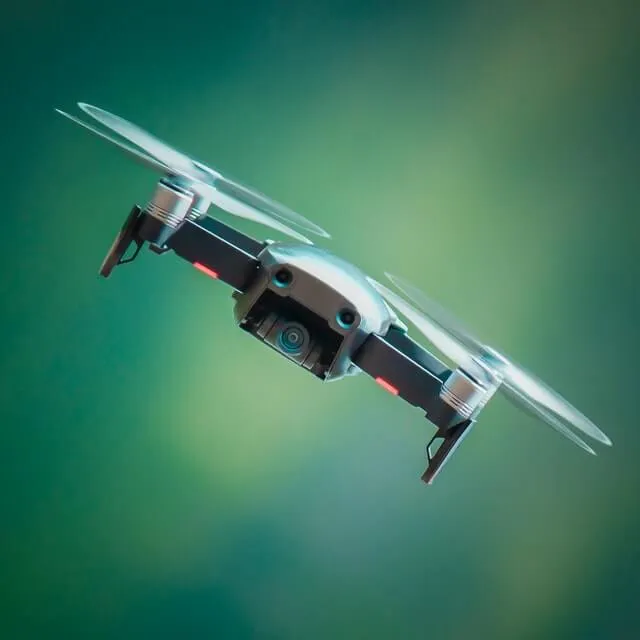
The 2026 FIFA World Cup is here, and if you fly a drone, there are strict FAA rules you need to know before you launch. Whether you're a hobbyist near a host city or a commercial operator with jobs nearby, the FAA has established serious restrictions around every World Cup venue, and the consequences of ignoring them are significant.
What the FAA Has Announced
On May 28, 2026, the FAA officially established "No Drone Zones" for all FIFA World Cup 2026 host stadiums, fan events, and base camps. The restrictions apply across all 16 host stadiums in the United States, Canada, and Mexico.
Here's what the rules look like on match days:
- 3 nautical miles around host stadiums: all drones prohibited up to 3,000 feet AGL
- 1 nautical mile around fan festivals and base camps: drones prohibited up to 1,000 feet AGL
- Temporary Flight Restrictions (TFRs) are issued individually for each match day and activate several hours before kickoff
These are not suggestions. Flying in a TFR without authorization is a federal violation, and enforcement is coordinated between the FAA, FBI, and Department of Homeland Security.
Which Cities Are Affected?
The 2026 World Cup spans multiple U.S. cities, including:
- New York/New Jersey
- Los Angeles
- Dallas
- Miami
- San Francisco Bay Area (Levi's Stadium)
- Boston
- Philadelphia
- Kansas City
- Seattle
- Houston
If you operate a drone commercially in or near any of these metro areas, there will be match days where your normal flying locations fall inside an active TFR. Plan accordingly.
How to Check Before You Fly
The FAA's B4UFLY app and the FAA Drone Zone website are your best tools for real-time airspace status. TFRs are published in advance for each match, so you can check the schedule and plan around restrictions. You can also monitor the FAA's official TFR map at tfr.faa.gov for active and upcoming restrictions throughout the tournament.
What Happens If You Fly Anyway?
Flying in a No Drone Zone during a World Cup match is treated as a federal airspace violation. Penalties include:
- Civil fines of up to $75,000
- Criminal prosecution in serious cases
- Drone confiscation
- Certificate suspension for Part 107 pilots
Law enforcement on the ground, including local police, Coast Guard, and federal agencies, has been briefed and is actively monitoring.
What Commercial Operators Should Do Right Now
If you have scheduled jobs near any host city during the tournament, take these steps:
- Cross-reference your job dates and locations against the World Cup match schedule
- Check TFRs via B4UFLY or tfr.faa.gov before every flight
- If you need a waiver, apply through the FAA DroneZone well in advance. Last-minute waiver requests are rarely approved.
- Brief your clients if their projects are near restricted zones. Delays are better than violations.
Commercial drone operators carrying drone insurance should also review their policy terms. Most drone insurance policies do not cover flights conducted in violation of FAA regulations, including unauthorized TFR incursions. Flying legally is the baseline for your coverage to hold.
The Bottom Line
World Cup 2026 is a major airspace event across the entire United States. The FAA is treating it with the same seriousness as presidential TFRs. If you fly commercially, this affects your schedule, your clients, and your liability.
Know the restrictions, check before every flight, and make sure your commercial drone coverage is active. Get a quote at skywatch.ai.